 St. Petersburg Siding
 Asphalt Shingle Roofing Built for Gulfport's Waterfront Climate
Gulfport sits right up against Boca Ciega Bay, and that location shapes what a roof has to survive year after year. Salt air drifts inland off the water and works on exposed metal and fasteners long before a homeowner notices anything wrong. Summer UV in this part of Pinellas County is intense and constant, not seasonal, which means shingles are absorbing heat and breaking down chemically almost every day of the year. Add in wind-driven rain during the wetter months and the real chance of hurricane-force gusts during storm season, and a Gulfport roof is dealing with a combination of stresses that a generic install isn't built to handle. None of that means asphalt shingles are a bad fit for a Gulfport home — they're still the most practical roofing material for the large majority of houses in this neighborhood. It means the installation details have to account for these specific conditions instead of treating the job like it would go the same way anywhere else in the country. This page covers what a correct asphalt shingle roof looks like for a home in Gulfport, what our process involves from first inspection to final walkthrough, and why local experience on this specific stretch of the Pinellas County coast matters.
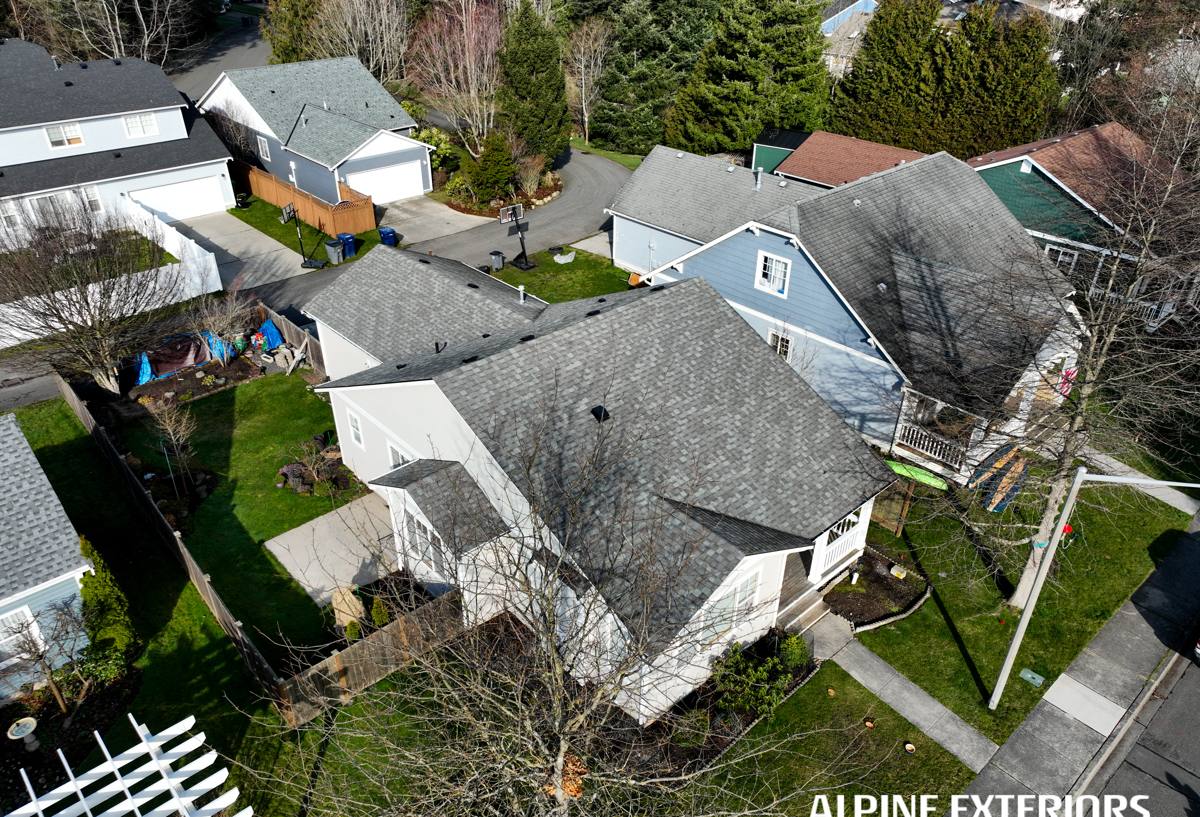
What Gulfport's Climate Actually Does to a Roof
It helps to be specific about the forces at work, because each one attacks a different part of the roofing system.
Salt Air and Corrosion
Proximity to the bay means airborne salt settles on every exterior surface of the house, roof included. Over time it accelerates corrosion on flashing metal, nail heads, and any hardware that isn't rated for coastal exposure. A roof built with standard-grade fasteners in a coastal neighborhood like Gulfport can develop rust-related leaks years before the shingles themselves are anywhere near the end of their service life.
Year-Round UV Exposure
Florida sun doesn't take a break in the winter the way it does in much of the country. Constant UV exposure dries out asphalt shingles from the top down, causing the mat to become brittle and granules to shed faster than the manufacturer's rated lifespan would suggest. Roof planes facing south and west take the worst of it and often show wear noticeably ahead of north-facing slopes on the same house.
Hurricane-Force Wind
Wind rating is not a marketing spec in this part of Florida — it's a practical requirement. A shingle roof installed to minimum standards can perform fine in ordinary weather and still lose tabs or whole courses in a tropical storm or hurricane if the fastening pattern, shingle wind rating, and edge detailing weren't built for that load in the first place.
Wind-Driven Rain
During tropical systems and seasonal downpours, rain in Gulfport rarely falls straight down. It gets pushed sideways and forced upward under shingle tabs and around roof penetrations, which is exactly the scenario a weak underlayment or poorly lapped flashing detail fails in.
Why Asphalt Shingles Still Make Sense in Gulfport
Given all of that, it's a fair question why asphalt shingles remain the default choice for most homes in this neighborhood rather than metal or tile. The honest answer is cost and practicality. Asphalt shingle roofs are priced well below metal or tile systems of comparable quality, they're available in wind-rated products built specifically for Florida's coastal counties, and if isolated damage happens later — from a fallen branch or storm debris — sections can be repaired without redoing the entire roof. The material itself isn't the weak link on most failed roofs we look at in this area. The installation is.
What a Correct Asphalt Shingle Install Involves
A roof that's going to hold up on a Gulfport home needs to be built as a complete system, not just a layer of shingles nailed to the existing deck. Every layer underneath the visible surface has a specific job to do.
Full Tear-Off and Deck Inspection
Stripping the roof down to bare decking is the only reliable way to catch rot, soft spots, or moisture damage that's been developing quietly under the old shingles, particularly around older flashing details or roof penetrations. A layover, where new shingles go directly over an existing layer, hides these problems rather than fixing them, and it's not a shortcut we use.
Underlayment Rated for This Climate
Synthetic or self-adhered underlayment gives the deck a genuine secondary water barrier, which matters directly when wind-driven rain is being forced under shingle edges instead of running straight off the roof. Self-adhered ice-and-water shield membrane at eaves, valleys, and other high-risk transitions adds a further layer of protection at the points where water is most likely to find a way in.
Corrosion-Resistant Flashing and Fasteners
Given the salt air coming off the bay, flashing metal and fasteners need to be rated for coastal exposure, not just standard-grade hardware. This is one of the details that separates a roof that's still tight in ten years from one that starts leaking at valleys and chimney penetrations well ahead of schedule.
Wind-Rated Shingle Installation
Nail count, nail placement, and fastening pattern have to match both the manufacturer's specification and the wind zone this part of Pinellas County falls under. That's what keeps shingles locked to the deck under hurricane-force gusts instead of lifting at the tabs and edges. Skipping this detail is invisible on a calm day and expensive the first time a real storm rolls through.
Balanced Ventilation
Proper intake and exhaust ventilation keeps the underside of the roof deck from trapping heat and moisture, which extends shingle life and reduces the chance of wood rot developing unnoticed in the attic. A roof can look fine from the street and still be shortening its own lifespan because of poor attic airflow underneath.
Comparing Shingle Options for a Gulfport Roof
| Shingle Type | Wind Rating (Typical) | Fit for Gulfport Conditions |
|---|---|---|
| 3-Tab Shingles | Lower end of rated range | Lowest upfront cost, but a thinner profile makes them a weaker fit for a coastal, storm-exposed neighborhood |
| Architectural (Laminated) Shingles | Mid-to-high rated range | Heavier construction and better wind performance; the standard practical choice for this area |
| Impact-Rated / High-Wind Shingles | Highest rated range | Built specifically for hurricane-prone coastal counties; worth the upcharge on exposed roof planes |
How Our Process Works
We run the same disciplined process on every Gulfport roof, whether it's a straightforward replacement or a job with some complicating factors like an older deck or a tricky roofline.
- On-site inspection: We walk the full roof, check the attic for existing ventilation and moisture issues, and look closely at flashing points, valleys, and any areas showing wear.
- Written estimate: You get a scope that spells out tear-off, underlayment type, shingle product and wind rating, and flashing work — not a vague one-line number.
- Material delivery and site prep: We protect landscaping, driveways, and pool areas before any tear-off begins.
- Full tear-off and deck inspection: Old roofing comes off completely, and any deck repairs get identified and priced before new material goes down, not discovered afterward.
- Underlayment and flashing installation: Ice-and-water shield at vulnerable points, synthetic underlayment across the field, and properly integrated flashing at every valley, chimney, and wall transition.
- Shingle installation to spec: Fastening pattern and nail count follow manufacturer requirements for the local wind zone, not a faster shortcut method.
- Ventilation check and correction: We confirm intake and exhaust venting are balanced, correcting it where the existing setup falls short.
- Final walkthrough and cleanup: Magnetic sweep for stray nails, full site cleanup, and a walkthrough where we point out exactly what was done and why.
What Drives the Cost of a Gulfport Roof Replacement
Every roof is different, but the same handful of factors move the price up or down on most jobs in this neighborhood.
| Cost Factor | Why It Matters |
|---|---|
| Roof size and pitch | More square footage and steeper slopes both increase labor time and material needs |
| Number of layers being removed | Tearing off two layers of old roofing costs more in labor and disposal than one |
| Deck condition | Rotted or soft decking found during tear-off needs replacement before new shingles go down |
| Shingle product and wind rating | Higher wind-rated and impact-rated products cost more per square than standard architectural shingles |
| Roof complexity | Valleys, dormers, skylights, and multiple roof planes all add flashing work and labor time |
| Ventilation upgrades | Adding or correcting intake and exhaust venting is a smaller add-on cost with a real payoff in roof lifespan |
A Practical Checklist Before You Choose a Roofer
- Does the estimate specify a full tear-off, not a layover over existing shingles?
- Is the shingle product's wind rating listed by name, not just "architectural shingles"?
- Is flashing work at valleys, chimneys, and walls written into the bid as its own line item?
- Are the fasteners and flashing metal specified as corrosion-resistant for coastal exposure?
- Do they carry current Florida contractor licensing, liability insurance, and workers' compensation?
- Can they point to recent work done in Gulfport or the immediate surrounding Pinellas County area?
- Does the bid clearly separate the manufacturer's material warranty from the contractor's own workmanship warranty?
Signs Your Gulfport Roof May Need Attention
Asphalt shingle roofs rarely fail without warning. Catching these signs early is often the difference between a repair and a full replacement.
- Granules collecting in gutters or at downspout outlets, which signals shingles wearing thinner than expected for their age
- Curling, cracking, or lifted shingle edges, especially on south- and west-facing slopes that take the heaviest UV exposure
- Missing or displaced shingles after a storm, even if no leak has shown up yet
- Rust staining running down from flashing at chimneys, vents, or valleys
- Water staining on interior ceilings or attic framing, particularly near penetrations or valleys
If any of this sounds familiar, it's worth having the roof looked at before the next named storm rather than waiting for a leak to force the decision.
Why Local Experience in Gulfport Matters
A roofing crew that already works this part of Pinellas County knows the difference between a spec sheet and a roof that actually holds up a few blocks from the bay. That means knowing which fastener and flashing grades hold up against sustained salt exposure, which shingle products carry the wind ratings this coastline actually calls for, and how to sequence a tear-off and reroof around Florida's afternoon storm patterns so a home isn't left exposed overnight. It also means understanding local permitting requirements for reroofing in Pinellas County, which isn't the same everywhere in the state. None of that comes from a general contractor working here for the first time — it comes from doing this specific work, on this specific coastline, over and over.
If you'd like an honest, no-pressure look at your Gulfport roof and a written estimate you can compare against anything else you've received, we're glad to come take a look. Use the form below to request a free estimate.