 St. Petersburg Siding
 Board & Batten Siding in a Gulfport Climate
Gulfport's mix of historic bungalows, cottages, and newer waterfront-adjacent homes is exactly the kind of neighborhood where board and batten siding earns its keep. The vertical lines read as coastal and low-key at the same time — a good match for a community that leans more relaxed and artsy than manicured. But the same things that make Gulfport a great place to live make it a hard place for siding to survive: constant humidity, intense sun almost every day of the year, salt-laden air off the water, and the real possibility of hurricane-force wind and wind-driven rain during storm season. A board and batten installation that looks right on day one but wasn't detailed for that combination will show it within a few seasons — cupping boards, streaking battens, or moisture working in at the seams.
This page covers what board and batten siding actually needs to hold up in St. Petersburg and Pinellas County's coastal climate, what a correctly built wall looks like underneath the surface, and how our process works for homeowners in Gulfport specifically.
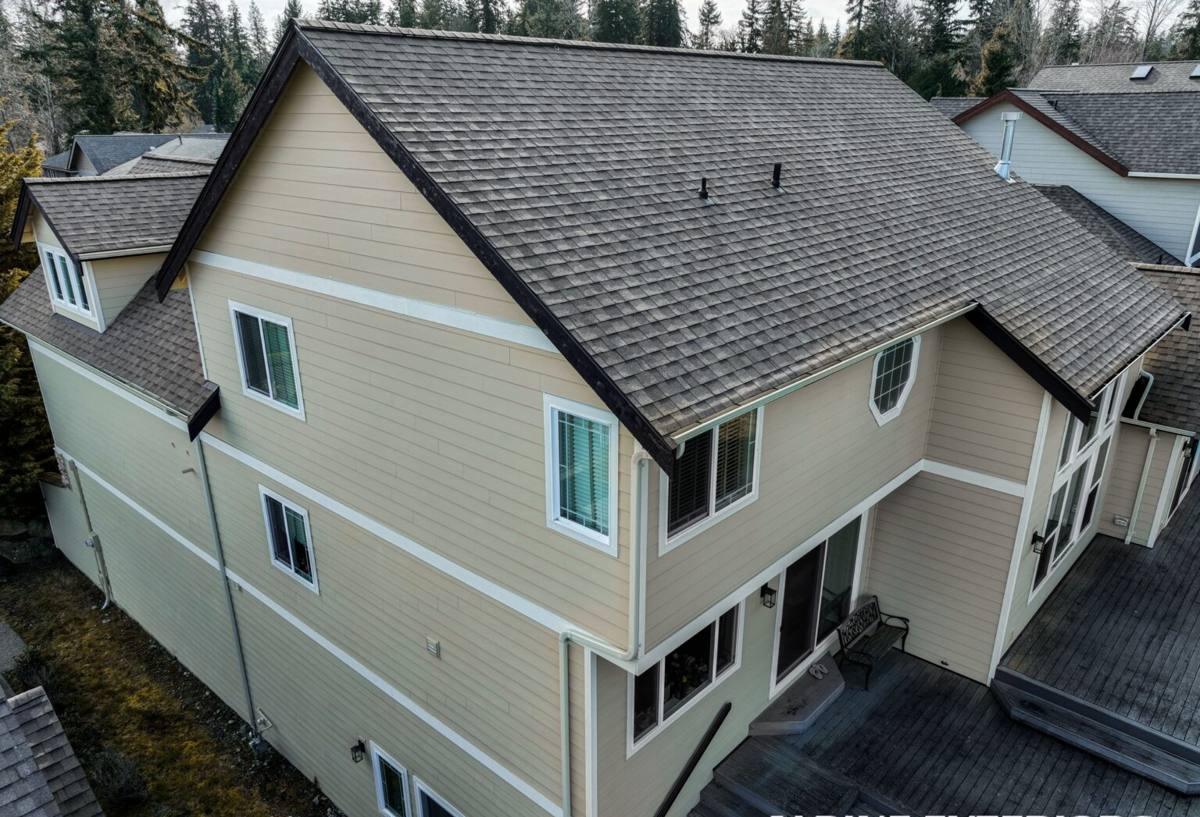
What Gulfport's Climate Actually Does to Vertical Siding
Board and batten is a vertical-seam system by design — every batten covers a joint between two panels, and every one of those joints is a place water can find its way in if it isn't detailed correctly. In an inland, drier climate that's a minor concern. Near Boca Ciega Bay and Tampa Bay, it's the whole ballgame.
Salt Air and Humidity
Airborne salt accelerates corrosion on fasteners, flashing, and any metal trim components. Combined with near-constant coastal humidity, it also keeps siding surfaces damp longer after rain than they'd stay in a drier region, which matters for any material that isn't dimensionally stable when wet.
Year-Round UV
Florida sun is relentless on painted or coated exterior surfaces. Coatings that aren't factory-cured to resist UV breakdown chalk, fade unevenly, and need repainting far sooner than a homeowner expects going in.
Wind-Driven Rain and Hurricane Wind Loads
Pinellas County sits in a wind-borne debris region under the Florida Building Code, and every siding installation here has to be fastened and flashed to hold up under real storm loads — not just look good on a calm day. Wind-driven rain during a tropical system will find any gap in flashing or any batten that isn't seated and fastened correctly, and it will find it fast.
Why We Install Board & Batten Only in James Hardie Fiber Cement
We don't offer board and batten in vinyl, LP SmartSide, primed spruce, or cedar. That's a deliberate call, not a lack of options. Wood-based battens and boards move with humidity swings and are a maintenance commitment that doesn't fit a climate this wet — repainting, caulking, and watching for rot at the seams becomes a recurring job, not a one-time project. Vinyl board and batten profiles can work loose or distort in high heat and don't carry the wind and impact ratings a coastal Pinellas County home should have.
James Hardie fiber cement is what we put on Gulfport homes instead, for reasons that hold up under scrutiny rather than a sales pitch:
- Non-combustible — fiber cement doesn't feed a fire the way wood-based siding can.
- Engineered for hot, humid climates — Hardie's HZ10 climate-zone engineering is built specifically for regions like the Gulf Coast, where humidity and heat are constant rather than seasonal.
- ColorPlus factory finish — a baked-on finish applied under controlled conditions, which holds color and resists UV fade far better than a field-applied coat of paint.
- Dimensionally stable — it doesn't swell, cup, or split the way wood-based boards and battens can when they take on moisture.
- A real, transferable warranty — backed by the manufacturer, not just the installer.
None of that replaces correct installation. Hardie board and batten installed poorly will still fail early. It just gives a correctly installed wall the best odds of actually lasting.
What a Correct Board & Batten Installation Involves
Board and batten looks simple from the street — vertical panels, battens over the seams — but the parts that determine whether it lasts are all underneath what you can see.
| Component | What It Needs to Do Right | What Happens If It's Skipped |
|---|---|---|
| Water-resistive barrier | Continuous, correctly lapped behind the panels | Moisture that gets past a seam has nowhere to drain and sits against sheathing |
| Panel and batten fastening | Correct fastener type, spacing, and embedment per Hardie's published instructions | Panels can loosen or blow off in high wind; fasteners corrode faster in salt air if the wrong type is used |
| Flashing at windows, doors, and penetrations | Properly lapped and sealed before siding goes on | Wind-driven rain enters at the one place it's easiest to stop and hardest to find later |
| Ground and roof clearance | Minimum clearance maintained per manufacturer spec | Splash-back moisture and standing water wick into the bottom of the panel |
| Batten spacing and seam coverage | Battens centered and fully covering the panel joint underneath | Gaps at the joint let water track in behind the batten |
| Caulking and sealant | Used at transitions only — not as a substitute for correct flashing | Caulk is the first thing UV and salt air degrade; a wall that depends on it will fail early |
Fasteners Matter More Here Than Almost Anywhere
In a salt-air environment, the fastener is often the first thing to fail — not the siding itself. We use fasteners rated for coastal exposure, and we follow Hardie's fastening schedule rather than shortcutting spacing to save time. A board and batten wall that's fastened correctly is also a wall that performs the way it's supposed to in a wind event.
Our Process for Gulfport Homes
- On-site walkthrough. We look at the existing siding or substrate, note any moisture or rot already present, and talk through where board and batten fits your home's style — full exterior, accent gable, or a mix with horizontal lap siding.
- Measurement and material plan. We spec panel and batten layout, trim details, and Hardie color/finish selection specific to your home.
- Substrate prep. Any damaged sheathing or existing water intrusion gets addressed before new siding goes up — covering over a problem never solves it.
- Water-resistive barrier and flashing. Installed and inspected before a single panel goes on.
- Panel and batten installation. Fastened to Hardie's published spec for our wind zone and climate.
- Final walkthrough. We go over the finished job with you before we consider it done.
Board & Batten Style Options That Fit Gulfport's Look
Board and batten doesn't have to mean the whole house. A lot of Gulfport homeowners use it as an accent — on a front gable, a porch surround, or a single elevation — paired with horizontal Hardie lap siding on the rest of the house. It's an easy way to add texture and a coastal-cottage feel without a full re-side. For homes going with board and batten across the whole exterior, ColorPlus finishes give you a full palette without the maintenance cycle of repainting a wood-based product every few years in Florida sun.
What Board & Batten Typically Costs to Consider
Every home is different, and we'll only give you real numbers after seeing the job, but these are the factors that actually move the price:
| Factor | Why It Affects Cost |
|---|---|
| Full re-side vs. accent application | Square footage is the biggest driver of material and labor |
| Existing siding removal and disposal | Tear-off adds labor time, especially if there's rot or moisture damage underneath |
| Substrate repair | Any sheathing repair happens before siding, not folded invisibly into the quote |
| Trim and corner detail complexity | More windows, gables, and transitions mean more flashing and cut work |
| Color and finish selection | Standard ColorPlus colors vs. premium selections can shift material cost |
We'd rather walk your home and give you an honest number than throw out a range that doesn't mean anything for your specific house.
Why Hiring a Crew That Already Works Gulfport Matters
Board and batten installed by a crew unfamiliar with coastal Pinellas County conditions is a common source of early failures — not because the crew is careless, but because inland installation habits don't account for salt air, humidity, and storm wind loads the way local work has to. A contractor who already works this area knows what fastener corrosion actually looks like a few years in, understands the wind-borne debris requirements that apply here, and isn't guessing at how a wall needs to be built to hold up through a Gulf Coast summer and hurricane season.
When you're vetting any siding contractor for a coastal Pinellas County home, it's worth asking:
- Do they install to the manufacturer's published fastening and flashing spec, or their own shortcuts?
- Can they explain how they handle flashing at windows and penetrations before the siding goes on?
- Do they use fasteners rated for salt-air exposure?
- Are they familiar with Pinellas County's wind and building code requirements?
- Will they show you the substrate before covering it, if repair is needed?
Caring for Board & Batten After It's Installed
A correctly installed Hardie board and batten wall is low-maintenance, not no-maintenance. A short annual routine keeps it performing the way it should:
- Rinse salt residue off the surface periodically, especially on elevations facing the water or open air
- Walk the exterior after any major storm and look for loose battens, damaged panels, or displaced flashing
- Keep sprinklers and irrigation from spraying directly on siding long-term
- Re-caulk transition joints (not panel seams) if you notice cracking or gaps
- Keep an eye on caulking around windows and trim, since that's the first place UV and salt air show wear
If you're weighing board and batten for a Gulfport home, we're happy to walk the property, look at what you're working with, and give you a straight answer on what it would take — no pressure, no obligation. Reach out below for a free estimate.