 St. Petersburg Siding
 Gulfport's Climate Is Harder on Siding Than Most Homeowners Realize
Gulfport sits right on the water in Pinellas County, which means the siding on these homes deals with a combination of stresses that inland Florida homes simply don't see as often. Hurricane-force winds test every fastener and seam. Intense, near-constant UV breaks down pigments and resins faster than in most parts of the country. Wind-driven rain finds any gap in flashing or caulking and pushes moisture where it shouldn't go. And salt air, carried in off the water and settling on exterior surfaces day after day, accelerates corrosion on fasteners and trim and slowly degrades materials that weren't engineered to handle it.
None of these are hypothetical concerns for a coastal Pinellas County neighborhood — they're the baseline conditions every exterior product on a Gulfport home has to survive, year after year, without a break. Siding that performs fine in a drier, milder climate can fail here in half the time. That's the lens we use for every material decision and every installation detail on this page.
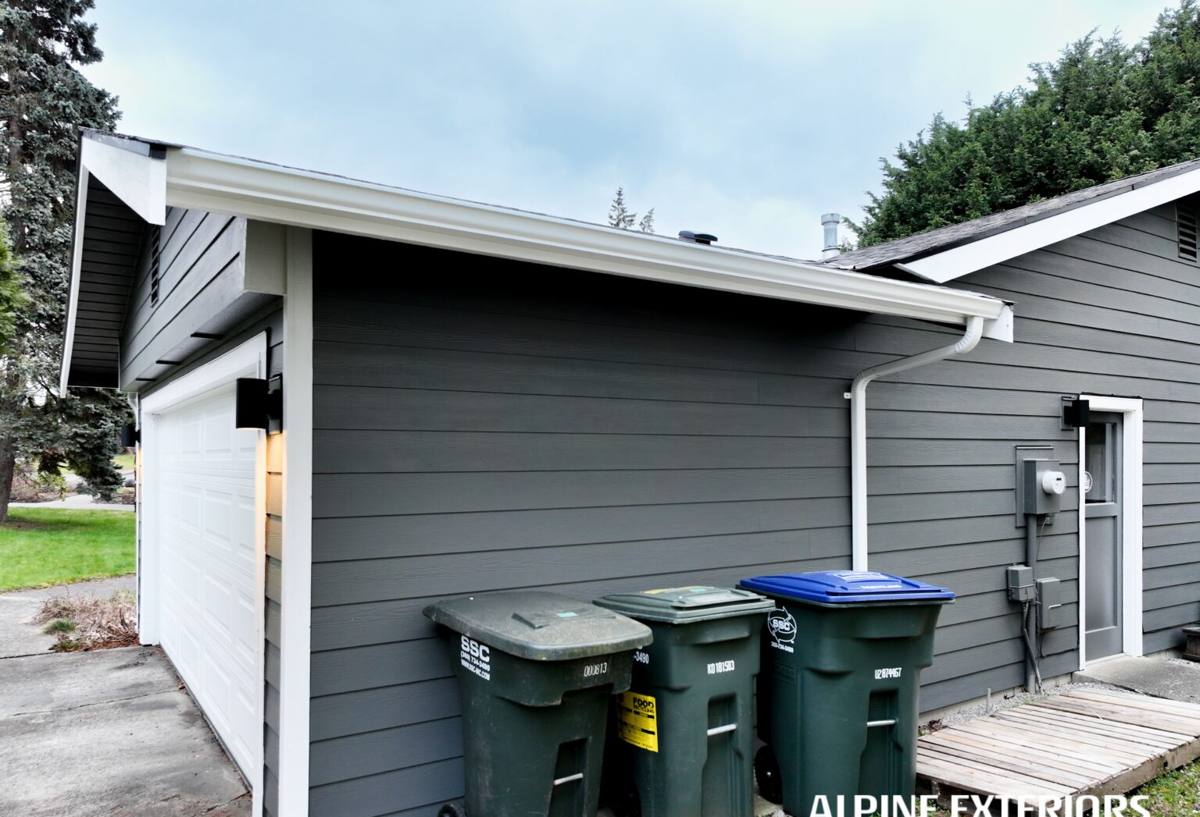
What Correct Fiber Cement Installation Looks Like on a Gulfport Home
Fiber cement siding is only as good as its installation. The material itself is durable, but the details — flashing, fastening, clearances, and sealant work — determine whether that durability actually shows up over the next 20-30 years. On a coastal home, we treat these details as non-negotiable rather than optional upgrades.
Moisture Management Comes First
Before a single piece of siding goes up, the water-resistive barrier and flashing details around windows, doors, and penetrations get inspected and corrected if needed. Wind-driven rain in a coastal storm doesn't fall straight down — it gets pushed sideways and upward into laps and seams. Proper flashing and a correctly lapped weather barrier are what keep that water out of the wall assembly, not the siding surface alone.
Fastening for Wind Load
Pinellas County's building code reflects its wind exposure, and fastener spacing, type, and placement on fiber cement siding are not areas to cut corners on a home this close to the Gulf. We follow the manufacturer's fastening schedule for the applicable wind zone, using corrosion-resistant fasteners suited to a salt-air environment — not general-purpose hardware that will rust and stain the siding face within a few years.
Clearances and Caulking
Fiber cement needs proper clearance from grade, roofing, and other hard surfaces to avoid trapping moisture at the bottom edge. Joints and butt seams get sealed with a high-quality, paintable, flexible sealant rated for exterior use — not construction adhesive or a generic caulk that will crack and open a path for water within a season or two of UV exposure and thermal movement.
Why We Install Only James Hardie Fiber Cement — Nothing Else
We don't install vinyl siding, LP SmartSide, Cemplank, Allura, or primed wood products like spruce or cedar. That's a deliberate standard, not a lack of options, and it's worth explaining honestly rather than just stating it.
Vinyl siding is affordable and low-maintenance in mild climates, but it's a petroleum-based product that softens and can warp under sustained high heat, and it's rated for wind resistance well below what fiber cement panels achieve — a real consideration in a hurricane-exposed coastal neighborhood. Engineered wood products like LP SmartSide use a wood-strand core that performs well when installation and maintenance are perfect, but any breach in the factory coating exposes wood fiber to moisture, and moisture is the one thing this climate never runs short of. Cedar and primed spruce are attractive natural materials, but they require an ongoing maintenance commitment — repainting, resealing, checking for rot — that most homeowners underestimate until they're a few years in. Cemplank and Allura are also fiber cement, technically similar to Hardie in composition, but we've standardized on one manufacturer so our crews install one system to one spec, with one warranty structure, every time — consistency that shows up in the quality of the finished job.
James Hardie fiber cement is non-combustible, holds a factory-applied ColorPlus finish that resists fading far longer than field-applied paint, and is engineered in HardieZone HZ product lines specifically for climate exposure — including the HZ5 zone that covers this part of Florida. It carries a strong transferable warranty, and it has a long track record of performing well on Gulf Coast homes when installed to spec. That combination is why it's the only product we put on a house.
How the Main Alternatives Compare on a Coastal Home
| Material | Wind/impact resistance | Moisture tolerance | Maintenance | Finish longevity |
|---|---|---|---|---|
| James Hardie fiber cement | High | Excellent (cement-based, won't rot) | Low | Long (factory ColorPlus) |
| Vinyl siding | Lower | Good, but can trap moisture behind it | Low | Moderate (fades, chalks over time) |
| LP SmartSide / engineered wood | Moderate-High | Vulnerable if coating is breached | Moderate | Moderate |
| Cedar / primed spruce | Moderate | Vulnerable — needs sealing/repainting | High | Short-Moderate without upkeep |
Our Process From Estimate to Final Walkthrough
The process is the same whether the home is a small Gulfport bungalow or a larger property, because the steps that protect a coastal home don't change with square footage.
- On-site assessment — we walk the exterior, check the current siding and substrate for hidden moisture damage, and note wind exposure, trim conditions, and any problem areas around windows and rooflines.
- Written estimate — scope, product line, color, and a clear breakdown, no vague allowances.
- Tear-off and substrate check — old siding comes off and the sheathing underneath gets inspected before anything new goes up. Any rot or water damage found here gets addressed, not covered over.
- Weather barrier and flashing — corrected and properly lapped before siding installation begins.
- Fiber cement installation — installed to Hardie's fastening and clearance specifications for this wind zone.
- Trim, caulking, and paint touch-up — factory-finished panels need field caulking and minor touch-up at cut edges and seams, done with coastal-rated sealants.
- Final walkthrough — we go over the finished job with the homeowner before calling it complete.
Cost Factors Specific to a Gulfport Job
Every estimate is different, but the same handful of factors drive most of the variation on jobs in this area. Knowing them ahead of time makes for a more useful first conversation.
| Factor | Why it matters here |
|---|---|
| Existing substrate condition | Coastal humidity and past water intrusion sometimes mean sheathing repair is needed before new siding goes on |
| Home height and access | Multi-story or tight-lot homes near the water take more labor and equipment time |
| Trim and architectural detail | Homes with more corners, dormers, and window trim require more cutting and finishing |
| Product line and profile | Lap siding, shingle-style panels, and board-and-batten profiles carry different material costs |
| Color selection | Factory ColorPlus finishes vs. field-painted options affect both cost and long-term touch-up needs |
Maintenance in a Salt-Air, High-UV Environment
One reason we recommend fiber cement over lower-maintenance-sounding alternatives is that "low maintenance" only matters if the material actually stays low maintenance in this specific climate. Fiber cement doesn't rot, and it isn't a food source for pests, which removes two of the biggest long-term risks on a coastal property. It still benefits from a periodic rinse to clear off salt residue and airborne debris, and caulked joints should be checked every year or two for cracking, since sealant is usually the first thing to show wear in sun and salt exposure — well before the siding panels themselves. Keeping gutters and downspouts clear also matters more here than inland, since wind-driven rain during storm season can overwhelm poorly maintained drainage and push water back toward the wall line.
Why Hiring a Crew That Already Works in Gulfport Matters
Coastal Pinellas County construction has its own realities — wind zone requirements that factor into fastening and product selection, permitting through the City of Gulfport and Pinellas County, and building conditions specific to homes built close to the water. A crew that already does this work regularly in the area isn't guessing at wind-load fastening schedules or scrambling to learn local permitting on your project. That familiarity shows up in fewer surprises during the job and a finished install that's actually built for what this location will throw at it over the coming decades, not just for a generic Florida spec.
Signs Your Gulfport Home May Need New Siding Now
- Visible cracking, warping, or soft spots when pressed near the bottom of siding panels
- Paint that's peeling or bubbling repeatedly in the same spots
- Staining or streaking around seams and fastener heads
- Rising energy bills with no other clear cause, suggesting compromised insulation or air sealing behind the siding
- Visible gaps, loose panels, or sections that flex in high wind
- Musty odors or discoloration on interior walls that back up to exterior siding
Getting Started
If your Gulfport home's siding is showing wear, or you're planning ahead of the next storm season, we're happy to take a look and give you a straightforward, no-pressure estimate — no guesswork, no upsell on products we don't stand behind. Use the form below to get started.