 St. Petersburg Siding
 Siding That Has to Work Harder Near the Water
Gulfport sits right up against the water on the Pinellas County peninsula, and that location cuts both ways. It's a big part of why people love living there, and it's also why the exterior of a home in Gulfport ages faster than the same house would ten or fifteen miles inland. Salt-laden air, near-constant humidity, intense year-round UV, and the real possibility of hurricane-force wind and wind-driven rain all show up on siding first — long before they show up anywhere else on the house.
We install James Hardie fiber cement siding exclusively, and this page is specifically about what that looks like for a Gulfport home: what the climate actually demands from a siding system, what a correct installation involves, and why local experience matters as much as the product itself.
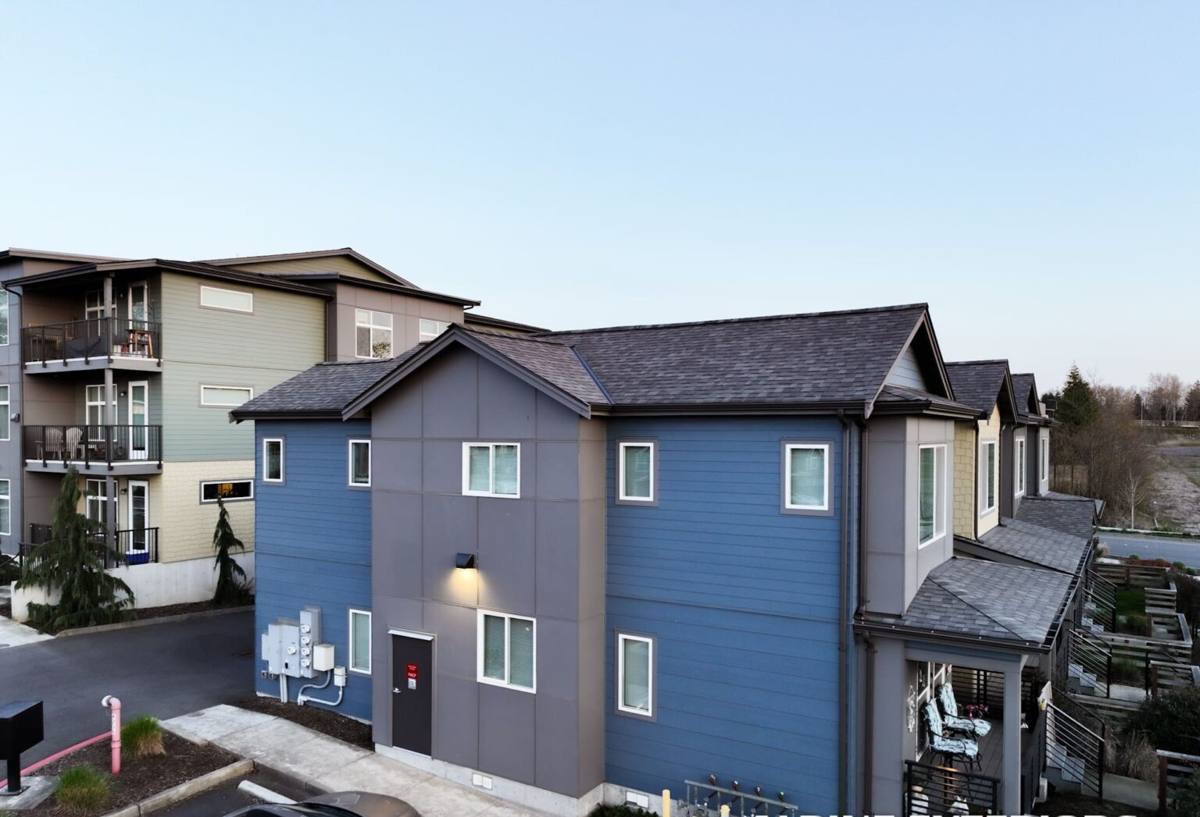
What Gulfport's Climate Actually Does to Siding
Salt Air and Humidity
Homes close to the bay deal with airborne salt that settles on exterior surfaces and accelerates corrosion of fasteners, trim, and any material that isn't built to handle it. Combined with Pinellas County's humidity, that salt exposure also creates ideal conditions for mold and mildew growth on siding surfaces and in any seams or joints that aren't properly sealed.
UV Exposure
Florida sun is relentless nearly year-round, not just in summer. Painted wood and lower-grade composite products chalk, fade, and break down under that UV load faster than most homeowners expect, which means repainting cycles come around sooner and cost more over time.
Wind and Wind-Driven Rain
Gulfport is exposed to the same hurricane risk as the rest of the Tampa Bay area, and its proximity to open water means wind-driven rain during storms and even routine heavy weather. Siding that isn't fastened correctly, or that has weak seams and poor water management behind it, is where storm damage and slow moisture intrusion both start.
None of this means a home in Gulfport can't have durable, good-looking siding. It means the material and the installation both have to be matched to what the location actually throws at a house — not treated the same as a job twenty miles inland.
Why We Standardized on James Hardie for This Area
James Hardie fiber cement is non-combustible, dimensionally stable, and manufactured with region-specific engineering — the HZ5 product line is formulated for the exact kind of moisture and humidity exposure that coastal Pinellas County properties see. The ColorPlus factory finish is baked on under controlled conditions and is significantly more UV- and fade-resistant than field-applied paint, which matters directly given how much sun a Gulfport-facing wall takes on over a year.
We don't install vinyl, LP SmartSide, Cemplank, Allura, or primed wood siding, and we're upfront about why. Vinyl can warp and become brittle under sustained UV and heat, and it offers little resistance in high wind. Engineered wood products are more vulnerable to moisture absorption at cut edges and seams, which is a real liability in a humid, salt-air environment. Primed wood and cedar need an ongoing paint and maintenance commitment that most homeowners underestimate until they're several years in. Fiber cement, installed to spec, holds its shape, its finish, and its water resistance far longer under these specific conditions — which is why it's the only product we put our name behind.
What "Installed to Spec" Actually Means
James Hardie siding is only as good as its installation. The material is engineered correctly; most siding failures we see on homes near the water trace back to shortcuts taken during installation, not a flaw in the product itself. A correct job includes:
- Proper clearance between the bottom of the siding and the ground, roofline, or any hard surface — undersized clearance is one of the most common causes of moisture problems we find on older homes in this area
- Corrosion-resistant fasteners rated for coastal exposure, driven at the manufacturer-specified pattern and depth
- Correctly lapped and sealed flashing at every window, door, and penetration, since this is where wind-driven rain actually gets behind siding
- Manufacturer-approved caulking and sealants at joints and butt seams, not general-purpose caulk that breaks down under UV
- Proper panel gapping to allow for expansion without buckling
- A continuous, correctly installed water-resistive barrier underneath the siding itself
Skip any one of these and you don't get the lifespan James Hardie is engineered to deliver — you get a product that looks right for a few years and then starts showing the same problems as a cheaper material.
Our Process on a Gulfport Home
1. Inspection and Assessment
We start by walking the exterior and identifying the specific exposure points on your house — which walls take the most direct sun, where wind-driven rain is most likely to hit, and what condition the substrate and existing water barrier are in underneath any current siding.
2. Removal and Substrate Check
Old siding comes off and we inspect the sheathing underneath for hidden moisture damage before anything new goes up. This step gets skipped by crews trying to move fast, and it's exactly where problems get missed on coastal homes.
3. Water Barrier and Flashing
We install or repair the water-resistive barrier and flash every opening correctly before a single piece of siding is hung. This is the layer that actually keeps water out during a storm — the siding itself is the second line of defense, not the first.
4. Installation to Manufacturer Spec
Panels, fasteners, gapping, and sealants all follow James Hardie's published installation requirements for HZ5 climate zone products, which keeps your warranty valid and the system performing as designed.
5. Final Detailing and Walkthrough
Trim, caulking, and touch-up work get finished, and we walk the property with you before calling the job done.
Comparing Siding Options for a Coastal Gulfport Property
| Factor | Vinyl Siding | Engineered Wood | James Hardie Fiber Cement |
|---|---|---|---|
| Salt air / humidity resistance | Moderate; can warp over time | Weak at cut edges and seams | Strong when installed to spec |
| UV / fade resistance | Fades and chalks with age | Factory finish varies by product | ColorPlus factory finish rated for UV exposure |
| Wind performance | Can crack or blow off in high wind | Adequate if properly fastened | Engineered and rated for high-wind installation |
| Maintenance burden | Low, but limited repair options | Moderate; moisture monitoring needed | Low with correct install; periodic caulk/paint touch-up |
| Combustibility | Combustible | Combustible | Non-combustible |
Why Local Experience in Gulfport Matters
A crew that already works this stretch of St. Petersburg knows the wind exposure differences between a bayfront-facing wall and a side wall, understands the permitting and wind-load requirements Pinellas County applies to exterior work, and has already seen how older homes in this area were built and where their existing weak points tend to be. That's the difference between a crew treating your house like a generic siding job and one that treats it like a coastal property that needs specific attention to water management and fastening.
It also means faster, more realistic scheduling. Coastal installation work needs the right weather windows, and a contractor familiar with the area's storm patterns plans around that instead of guessing.
What to Ask Before Hiring Anyone for Siding Work Here
- Are you a James Hardie certified or preferred installer, and can you show manufacturer-specific training?
- What fastener type and pattern will you use, and is it rated for coastal/high-wind exposure?
- Will you inspect and repair the water-resistive barrier before new siding goes up, or just install over what's there?
- What does the warranty actually cover, and is it tied to correct installation documentation?
- Can you walk me through your flashing and sealant approach at windows and doors specifically?
If a contractor can't answer these clearly, that's a sign to keep looking — especially this close to the water, where a shortcut shows up as a problem within a few storm seasons, not decades.
Maintaining Your Siding After Installation
Correctly installed James Hardie siding is low-maintenance, not no-maintenance. A simple annual routine keeps it performing:
- Rinse salt residue off exterior walls periodically, especially after storms
- Inspect caulking at joints and trim once a year and re-seal if it's cracking or pulling away
- Check for any staining or discoloration near the ground line, which can signal a clearance or drainage issue
- Keep gutters and downspouts clear so water is directed away from the siding, not running down it
If you're weighing siding options for a home in Gulfport or anywhere else in St. Petersburg, we're glad to walk your property, look at your current exterior condition, and put together a straightforward, no-pressure estimate — just fill out the form below.