 St. Petersburg Siding
 Why Gulfport Roofs Wear Out Faster Than the Manufacturer's Chart Says
Gulfport sits close enough to Boca Ciega Bay and the Gulf that every roof in the area is doing double duty: shedding intense sun for most of the year and standing up to whatever tropical systems roll through Pinellas County during hurricane season. A roofing product rated for "50 years" in a lab test in a dry, inland climate does not automatically get 50 years out of a Gulfport roof deck. Salt-laden air corrodes exposed fasteners and unprotected metal edges faster than it would a few hundred miles inland. UV exposure breaks down asphalt oils and coating chemistries year-round, not just in summer. And wind-driven rain finds every gap in flashing, underlayment, and fastening that a fair-weather installation missed.
None of that means metal roofing is a magic fix. It means the material has to be chosen correctly, detailed correctly at the edges and penetrations, and fastened to hold up to real coastal wind loads — not just installed to look good from the street.
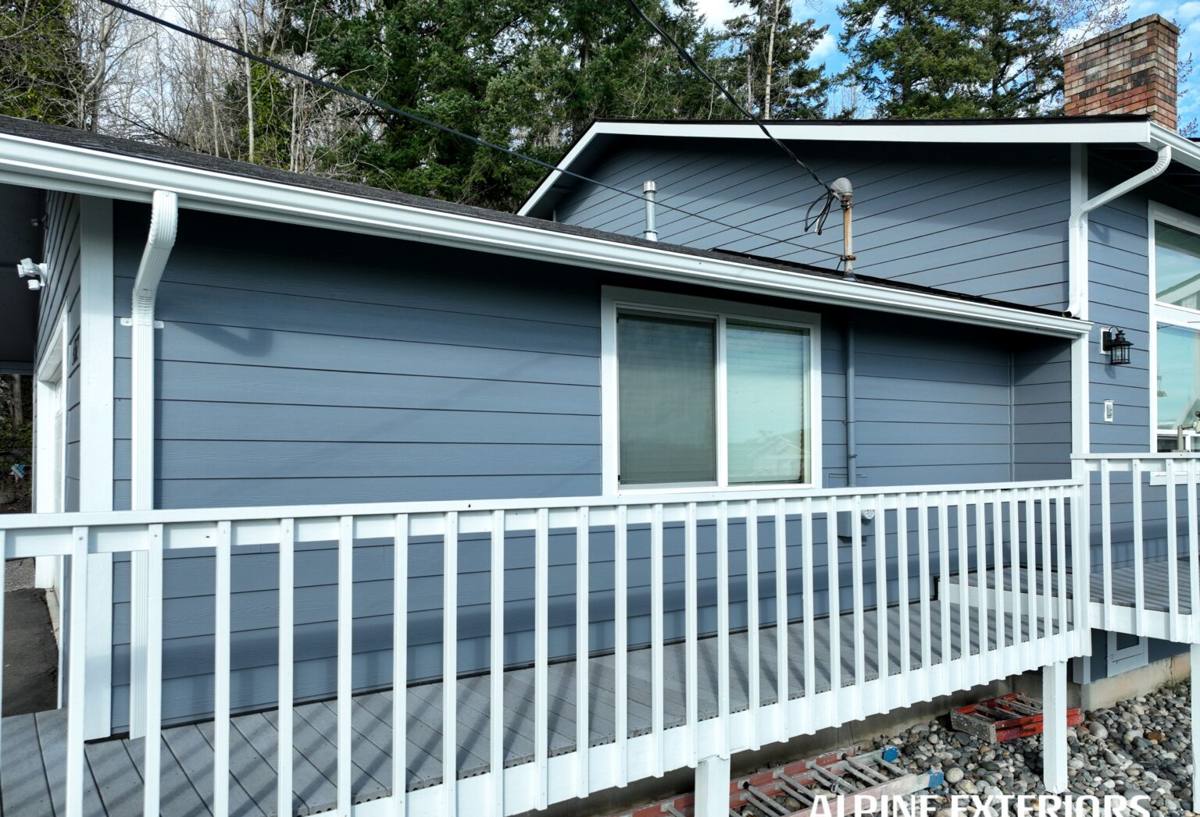
Why Metal Roofing Makes Sense for a Gulfport Home
We install and repair metal roofing across St. Petersburg and the surrounding Pinellas County communities, and Gulfport's mix of older bungalows, cottages, and coastal-influenced homes is a good match for it when the system is specified correctly. A few reasons homeowners here move to metal:
- Wind performance: A properly fastened metal panel system resists uplift better than aging or improperly nailed shingles, which matters when storms track through the Tampa Bay area.
- Heat rejection: Reflective finishes reduce attic heat gain, which is a real factor for cooling costs given how much of the year Gulfport spends in direct, intense sun.
- Low maintenance cycle: No granule loss, no algae streaking the way some shingle roofs show, and no recurring re-roof every 15-20 years if the system is installed and coated correctly.
- Water shedding: Vertical panel profiles move heavy, wind-driven rain off the roof quickly instead of letting it sit and work its way under seams.
Metal isn't the right call for every budget or every roof shape, and we'll tell you honestly if a well-built shingle roof is the more practical choice for your situation. But for homeowners planning to stay put and wanting to stop re-roofing every couple decades, metal earns its cost over time in this climate.
Choosing the Right Metal Roofing System
"Metal roofing" covers a range of products, and the differences matter more in a coastal wind-and-salt environment than they would somewhere drier and calmer.
Standing Seam vs. Exposed-Fastener Panels
Standing seam panels use hidden clips and interlocking seams with no exposed screw heads on the roof field. Exposed-fastener panels (sometimes called corrugated or ribbed panel systems) are less expensive but rely on screws driven through the panel face, each one a potential future leak point once the rubber washer under the screw head ages and the fastener works loose from thermal cycling.
Our standard recommendation for Gulfport homes, especially anything close to the water or exposed to open wind, is standing seam. It costs more up front but removes the long-term maintenance liability of hundreds of exposed fasteners aging in salt air.
Steel vs. Aluminum
Galvalume steel panels are durable and cost-effective, and with a good factory finish they hold up well. Aluminum costs more but never rusts, even if the finish gets scratched, which makes it worth considering for homes closer to the water where salt exposure is highest. We'll look at your specific location and exposure before recommending one over the other rather than defaulting to a single answer for every job.
| Panel Type | Typical Fastening | Best Fit | Maintenance Consideration |
|---|---|---|---|
| Standing Seam | Concealed clips, no face penetrations | Coastal/high-exposure homes, long-term owners | Lowest long-term maintenance; higher install cost |
| Exposed-Fastener Panel | Screws through panel face | Budget-conscious projects, outbuildings | Fasteners need periodic inspection and eventual replacement |
| Galvalume Steel | Either system | Most Gulfport homes with a quality finish | Good corrosion resistance with proper coating |
| Aluminum | Either system | Highest salt exposure, closest to the water | Won't rust even if the finish is scratched |
What a Correct Metal Roof Installation Actually Involves
The panels get the attention because they're what you see, but most metal roof failures we're called out to repair trace back to what's underneath and around them, not the panels themselves.
Deck and Underlayment
Before any panel goes down, we check the roof deck for soft spots, rot, or delamination — common on older Gulfport homes where a previous roof trapped moisture for years. A self-adhered, high-temperature underlayment is standard practice under metal in Florida's heat, giving you a secondary water barrier if wind ever drives rain up under a seam.
Flashing and Penetrations
Every chimney, vent pipe, skylight curb, and wall intersection is a place water can get in if flashing is cut short or caulked instead of properly formed and layered. This is the detail work that separates a roof that survives its first real tropical storm from one that doesn't, and it's where we spend a disproportionate amount of install time compared to the open panel field.
Fastening for Wind Uplift
Panel clip spacing, fastener type, and edge/corner detailing all change based on wind exposure. Roof edges and corners see the highest uplift forces in a storm, so those zones get tighter fastening patterns, not the same spacing as the open field. This is engineering, not guesswork, and it's the difference between a roof that stays put and one that starts peeling from a corner.
Ventilation
A metal roof without adequate attic ventilation can trap heat and moisture just like any other roof type. We check existing ridge and soffit venting as part of the job rather than assuming what's there is adequate.
Repair, Recover, or Full Replacement?
Not every metal roofing call in Gulfport is a new install. A lot of our work is diagnosing and fixing existing metal roofs — loose fasteners, failed sealant at penetrations, minor storm damage, or oil-canning (the wavy appearance some panels develop from thermal movement, which is usually cosmetic but sometimes points to a fastening issue).
- Repair: Makes sense for isolated fastener failures, flashing leaks, or storm damage to a section of an otherwise sound roof.
- Recover: In some cases a new metal panel system can go over an existing roof deck if it's structurally sound and code allows it — this can save on tear-off cost.
- Full replacement: The right call when the deck has moisture damage, the existing system is fundamentally under-fastened for wind exposure, or the roof has reached the end of its practical service life.
We'll give you a straight answer on which category your roof falls into rather than pushing a full replacement when a repair genuinely solves the problem.
Permitting and Code Considerations in Pinellas County
Roofing work in Gulfport and the rest of Pinellas County goes through the same Florida Building Code framework that governs wind resistance, fastening schedules, and inspection requirements statewide, with local permitting handled through the applicable county or municipal building department depending on your exact address. We handle the permitting and inspection process as part of the job rather than leaving it to the homeowner to navigate. If you're near a jurisdictional line, we confirm which building department has authority over your property before the permit is pulled — it's a detail worth getting right the first time rather than discovering after the fact.
How We Approach a Gulfport Metal Roofing Project
1. On-Site Inspection
We look at the existing roof, deck condition, ventilation, and the home's specific wind exposure — a roof close to open water gets evaluated differently than one further inland with more surrounding structure and tree cover.
2. Straight Recommendation
You get a clear explanation of what your roof actually needs, what panel type and material fit your budget and exposure level, and what the trade-offs are — no upsell to the most expensive system if it isn't warranted.
3. Written Scope and Timeline
Before work starts you know what's being installed, how the flashing and penetrations will be handled, and roughly how long the job will take, weather permitting.
4. Installation and Inspection
We work the job in the sequence that protects your home if weather turns mid-project, and we coordinate any required municipal inspections along the way.
5. Cleanup and Walkthrough
Job site cleared of debris and fasteners, and a walkthrough so you know what maintenance, if any, your new roof needs going forward.
Cost Factors to Expect
Metal roofing costs more up front than asphalt shingles, and the final number depends on several variables specific to your home rather than a flat per-square rate.
| Factor | Why It Matters |
|---|---|
| Panel type (standing seam vs. exposed-fastener) | Standing seam costs more in material and labor but reduces future maintenance |
| Material (steel vs. aluminum) | Aluminum carries a premium but offers better long-term corrosion resistance near the water |
| Roof complexity | More valleys, penetrations, and roof planes mean more flashing work and labor time |
| Deck condition | Rot or moisture damage found during tear-off adds repair cost before panels go on |
| Tear-off vs. recover | Removing an existing roof adds labor and disposal cost compared to an eligible recover |
We give a written estimate that breaks these factors out so you can see what's driving the price, rather than a single lump-sum number you have to take on faith.
Maintaining a Metal Roof in a Coastal Climate
Metal roofing is low-maintenance, not no-maintenance, especially this close to the Gulf. A simple annual check catches small issues before they become leaks.
- Rinse off salt residue and debris buildup, particularly after storms with onshore wind
- Check exposed fasteners (if you have an exposed-fastener system) for backing out or worn washers
- Inspect sealant at flashing points and penetrations for cracking or shrinkage
- Clear debris from valleys and around roof penetrations so water doesn't pool
- Have the roof looked at after any major storm, even if you don't see obvious damage from the ground
Why a Crew That Already Works Gulfport Matters
Roofing crews that don't work this area regularly tend to under-spec for the wind and salt exposure Gulfport actually sees, because their default assumptions come from calmer, drier climates. A crew that works Pinellas County roofs routinely already knows which fastening patterns and flashing details hold up here, has a working relationship with local permitting offices, and isn't guessing at how a panel system will perform two blocks from the water versus two miles inland. That familiarity shows up in fewer callbacks and a roof that's actually built for the conditions it will face, not just the conditions on a spec sheet.
If you're weighing a metal roof for your Gulfport home — whether it's new construction, a full replacement, or repair on an existing system — we're happy to take a look and give you a straight, no-pressure assessment. Fill out the form below to schedule a free estimate.