 St. Petersburg Siding
 Gulfport's Roofs Take a Different Kind of Beating
Gulfport sits close to the water on a peninsula that catches everything Tampa Bay and the Gulf throw at it. That's part of the neighborhood's charm — the breeze, the bungalow-lined streets, the walk to the waterfront — but it's also why roofs here age faster than roofs twenty miles inland. Salt-laden air corrodes exposed metal fasteners, flashing, and vent stacks well before their rated lifespan. Intense, near year-round UV breaks down asphalt shingle oils and cooks membrane roofing brittle. And when a storm rolls through, it rarely comes straight down — wind-driven rain gets pushed sideways under shingles, around flashing, and into any gap a roofer left loose.
None of that means a roof in Gulfport is doomed to fail early. It means the replacement has to be built for those specific conditions, not installed the same way you'd do a roof in a landlocked subdivision. That's the difference between a roof that needs attention again in eight years and one that holds up for its full service life.
Signs a Repair Won't Cut It Anymore
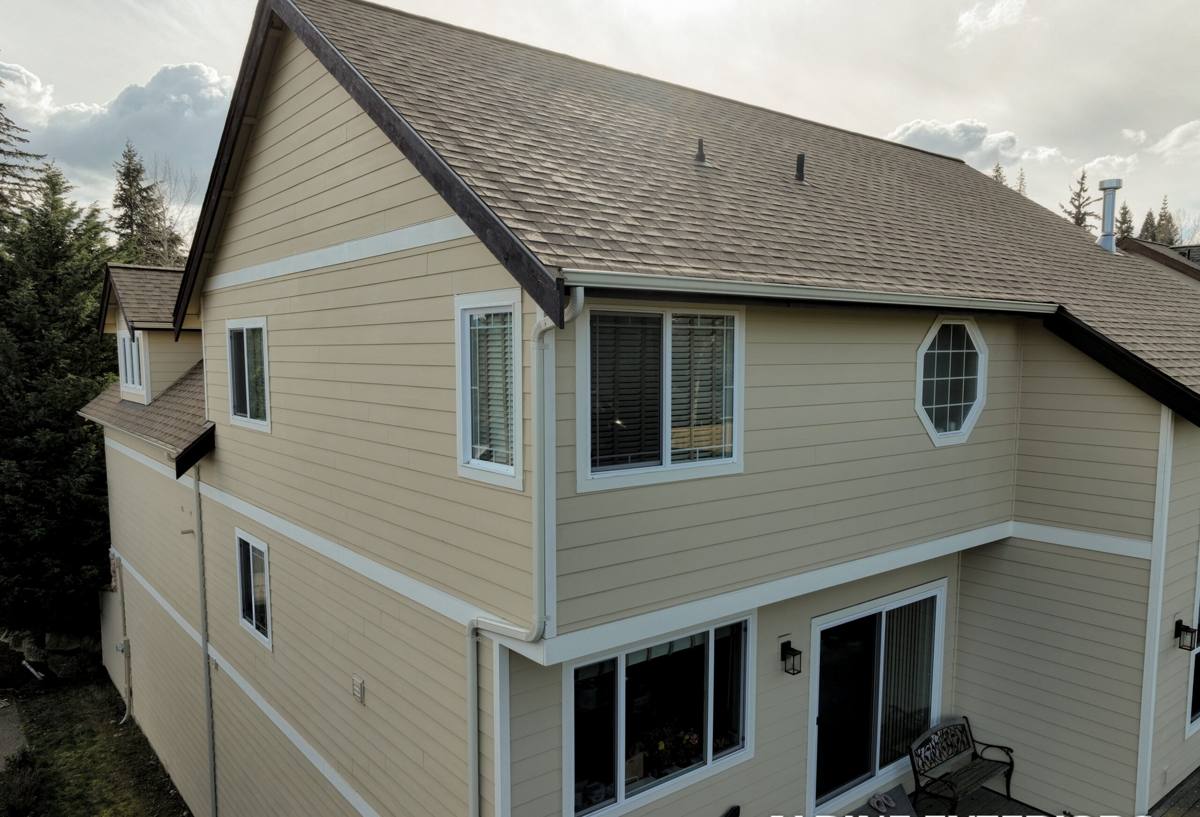
Not every roof problem means full replacement, but in a coastal wind zone the line comes sooner than homeowners expect. A patch might buy a season; it won't fix a roof system that's lost its ability to shed wind-driven rain.
- Shingles that are curling, cupping, or losing granules across large sections rather than one isolated spot
- Soft spots or sagging when you walk the attic or view the roof deck from below
- Repeated leaks in different locations after storms, even if each one gets patched
- Visible daylight through the roof deck, or staining/mold on attic sheathing
- A roof older than 15-20 years for asphalt, or with widespread corrosion on metal components
- Missing or lifted shingles after wind events, especially near ridges and edges where uplift is worst
- Rising energy bills that point to failing attic ventilation or degraded roof decking
If two or more of these apply, a licensed roofer should evaluate the whole system — not just the spot that's leaking today.
What a Correct Replacement Actually Involves
Full Tear-Off and Deck Inspection
We don't install over existing layers. A tear-off is the only way to see the actual condition of the roof deck — plywood or OSB that's delaminated, soft, or water-stained needs to be replaced before anything new goes down. Skipping this step is the single most common shortcut that shows up as a problem years later, and it's not something you can inspect once the new roof is on.
A Water Barrier Built for Wind-Driven Rain
Standard felt underlayment is not enough on a home this close to the water. We use synthetic underlayment and self-adhered ice-and-water-shield-style membrane at vulnerable areas — eaves, valleys, and around penetrations — because wind-driven rain in a coastal storm doesn't behave like a normal downpour. It gets forced sideways and upward under the shingle line, and the underlayment is what stops it from reaching your deck.
Wind-Rated Fastening, Not Standard Fastening
Nail pattern and fastener count matter more here than almost anywhere else in the county. Florida Building Code sets minimum requirements based on your wind zone, but on a home in Gulfport we typically fasten to the higher end of what's allowed rather than the bare minimum, particularly at ridges, hips, and roof edges where uplift pressure concentrates during a storm.
Flashing and Penetrations Done Right
Every pipe boot, vent stack, chimney, and wall intersection is a place water can get in. Salt air corrodes cheap or thin-gauge flashing years before the field of the roof shows wear, so we use corrosion-resistant materials at these points and make sure they're properly step-flashed and sealed — not just caulked over as an afterthought.
Roofing Material Options for a Home Near the Water
There's no single "best" material for every Gulfport home — it depends on your roof pitch, budget, HOA rules if you have them, and how long you plan to stay in the house. Here's how the common options actually compare in this environment:
| Material | Typical Lifespan Here | Coastal Performance | Considerations |
|---|---|---|---|
| Architectural Asphalt Shingle | 15-20 years | Good with proper ventilation and high wind-rated products | Most affordable upfront; UV and salt exposure shorten lifespan versus inland installs |
| Standing Seam Metal | 30-50 years | Excellent wind uplift resistance; needs quality fasteners to resist corrosion | Higher upfront cost; can qualify for wind mitigation insurance credits |
| Tile (Concrete or Clay) | 30-50 years | Very durable in wind and UV; heavy, so structure must support it | Higher cost; underlayment quality matters more than the tile itself for leak prevention |
| Modified Bitumen / Low-Slope Membrane | 15-25 years | Common on additions or low-pitch sections; UV-resistant caps help | Best for flat or low-slope roof sections, not full steep-slope replacements |
Whatever material you choose, the underlayment, flashing, and fastening details described above matter as much as the surface material — a premium metal roof installed with corner-cutting underlayment will still leak in a coastal storm.
Permits, Wind Mitigation, and Insurance
Roof replacements in St. Petersburg and unincorporated Pinellas County require a building permit, and inspections are part of the process — that's not optional paperwork, it's what confirms the roof was actually installed to code. We pull permits and coordinate inspections as part of the job rather than leaving that on the homeowner.
A properly documented replacement can also qualify you for a new wind mitigation inspection, which insurance carriers use to set your premium. Features like a secondary water barrier, hip roof geometry, and code-compliant fastening can lower your homeowner's insurance cost — something worth discussing with your agent once the new roof is in and inspected.
Homeowner Prep Checklist
- Move vehicles out of the driveway and away from the house for the tear-off and dumpster days
- Take down or secure anything fragile on interior walls near the attic — vibration from tear-off can loosen items
- Confirm access for equipment if you have gates, narrow side yards, or shared driveways
- Ask your roofer whether the job includes permit pulling and final inspection coordination
- Get the wind mitigation and manufacturer warranty paperwork in writing before the crew leaves
How Our Process Works
We start with an on-site inspection, not a drive-by estimate — that's the only way to actually see deck condition, ventilation, and flashing details before quoting the work. From there:
- Written estimate covering material options, tear-off, deck repair allowance, and warranty terms
- Permit pulled with the City of St. Petersburg or Pinellas County as applicable
- Tear-off, deck inspection, and repair of any compromised sheathing
- Underlayment, flashing, and material installation to the wind-rated spec discussed at estimate
- Final inspection and walkthrough, with warranty and wind mitigation paperwork provided
We schedule around weather rather than rushing a roof onto an exposed deck ahead of a storm system, which is a real risk during hurricane season in this part of Florida.
Why a Crew That Already Works Gulfport Matters
Roofing code, wind zone requirements, and permitting process aren't identical from one Florida county to the next, and they're not identical to what a crew coming from out of state is used to. A contractor who regularly works Pinellas County knows the inspection process, knows what a wind mitigation credit actually requires, and has already seen how salt air and UV affect roofs in this specific area — not a generalized version of "coastal Florida." That local repetition is what keeps a replacement from becoming a learning experience at your expense.
It also matters after the job is done. A local crew is reachable if a question comes up during the next storm season, and stands behind workmanship on a roof they can actually come back and look at.
Keeping a New Roof Healthy in a Salt-Air Environment
A correctly installed roof still benefits from basic upkeep here. Rinse accumulated salt residue and debris off the roof surface periodically, especially after storms. Keep gutters clear so wind-driven rain has somewhere to drain instead of backing up under the roof edge. Have metal flashing and fasteners visually checked every year or two, since corrosion is the most common early failure point in this climate — not the field material itself. And after any major wind event, a quick inspection for lifted shingles or displaced flashing catches small problems before they become deck damage.
Get a Straight Answer on Your Roof
If you're not sure whether your Gulfport home needs a repair or a full replacement, the honest answer usually depends on things you can't see from the ground — deck condition, underlayment state, and how the last install actually handled flashing. We'll walk the roof, tell you what we find, and give you options with no pressure to over-buy. Use the form below to request a free estimate.