 St. Petersburg Siding
 Why Siding Installation Looks Different in Historic Kenwood
Historic Kenwood is one of St. Petersburg's early 20th-century neighborhoods, built out mostly in the bungalow and Craftsman styles that were popular from the 1910s through the mid-1920s. That matters for a siding project in a way it wouldn't on a newer street. These homes were framed and sided with the materials and methods of their era, most have been re-sided or patched at least once since, and many sit inside a designated historic district where the exterior appearance of the house is part of what the neighborhood is protecting. A siding job here isn't just "tear off the old stuff and nail up new boards." It's matching a reveal and a profile that reads as original, working around the quirks of a 90-to-110-year-old structure, and in some cases coordinating with the city's historic review process before work starts.
We're not going to pretend to know the design guidelines for every block in the district or list landmarks we haven't verified. What we do know, from working on homes like these, is what the combination of an old wood-framed house and a century of Florida weather does to a wall, and what it takes to re-side that wall correctly.
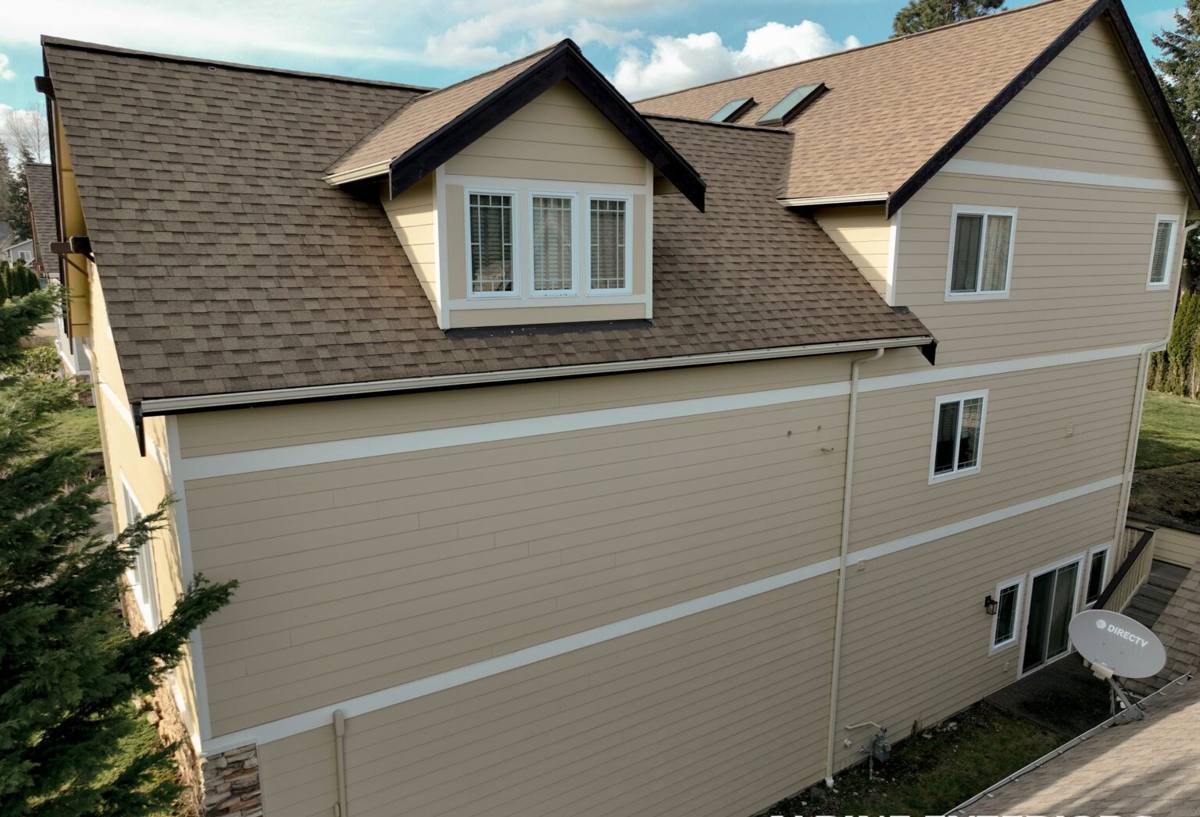
What St. Petersburg's Climate Does to Older Siding
Pinellas County sits on a peninsula between Tampa Bay and the Gulf of Mexico, and Kenwood's homes take the full brunt of that exposure year-round.
Wind and Storm Exposure
Hurricane-force and tropical-storm-force winds drive rain sideways into lap joints, corner boards, and window trim. On an older home, decades of small gaps, settled trim, and prior patch jobs give that wind-driven rain a lot of entry points it wouldn't have on a tight, newly-built wall.
Sun and Humidity
St. Petersburg gets intense, near-constant UV exposure. Paint film on older wood siding breaks down faster here than in most of the country, and once the film fails, humidity gets into the wood underneath. Combine that with Florida's humidity and you get a cycle of swelling, drying, and cracking that no amount of repainting fully solves.
Salt Air
Being close to both the bay and the Gulf means airborne salt is a constant, low-grade corrosive on fasteners, flashing, and any metal trim. It also accelerates the breakdown of lower-grade paints and coatings.
None of this is unique to Kenwood, but it hits older homes with original or early-replacement siding harder than newer construction, simply because there's been more time for small failures to compound.
What's Usually Underneath When We Open Up an Older Kenwood Wall
Every older home is a little different, but a few patterns show up often enough to plan for:
- Original wood lap siding, sometimes with one or more layers of replacement siding installed directly over it rather than removed
- Board or plank sheathing instead of modern OSB, which behaves differently around moisture and fasteners
- Little to no functioning water-resistive barrier behind the existing siding, or a barrier that's degraded past usefulness
- Wood rot or soft spots at the bottom courses, around window sills, and near roof-to-wall transitions, where water has had the most opportunity to sit
- Non-original trim details or repairs from past decades that don't match the home's original lines
You can't know which of these you're dealing with until the old siding comes off. That's exactly why we don't quote a Kenwood re-side without planning for an inspection of the sheathing and framing once the wall is opened, and why we build a contingency for hidden repair work into the process instead of surprising the homeowner mid-project.
Why We Install Only James Hardie Fiber Cement
We standardized on James Hardie fiber cement siding and don't install vinyl, LP SmartSide, or other wood-based or fiber cement alternatives. On a house like the ones in Kenwood, the case for that is even stronger than usual.
Matching the Historic Look
Hardie's lap siding comes in reveals and smooth or cedarmill textures that can be matched to the narrow, traditional lap profile these bungalows were originally built with — something vinyl's limited panel widths and plastic-looking texture generally can't replicate convincingly, and something original wood siding can only match at the cost of ongoing paint maintenance.
Built for This Climate
Hardie's HZ5 product line is engineered specifically for high-humidity, high-moisture climate zones like Florida's Gulf Coast — it resists moisture-related cupping and swelling far better than wood, and it won't rot, which matters on a home that's already dealing with decades of accumulated moisture exposure. It's also non-combustible, holds paint and factory ColorPlus finishes far longer under intense UV than standard paint film, and stands up to wind-driven rain and salt air without the corrosion and softening issues that shorten the life of other materials.
None of that means Hardie is maintenance-free or immune to Florida weather — nothing is. It means that of the materials available, it's the one we're willing to put our name behind and warranty on a house that's going to keep sitting through hurricane seasons for decades to come.
Historic District Considerations
Because Kenwood includes a designated historic district, exterior changes on some properties may go through a city review process before permits are pulled, depending on the specific property and the scope of work. We're not going to guess at exact rules here — every homeowner should confirm requirements for their specific address with the City of St. Petersburg before work begins. What we can do is help document the existing siding profile, reveal, and trim details so that whatever approval process applies has the information it needs, and design the replacement to match the home's original lines rather than defaulting to whatever's fastest to install.
Our Installation Process
- Inspection and measurement — we document the existing siding profile, trim, and any visible damage before any material is ordered
- Tear-off — old siding comes off in sections so we can assess the sheathing as we go, rather than all at once
- Sheathing and framing repair — any rot, soft spots, or damaged sheathing found underneath gets repaired or replaced before anything new goes up
- Water-resistive barrier and flashing — a continuous drainage plane and correctly lapped flashing at windows, doors, and roof transitions, since this layer does more to prevent future water damage than the siding itself
- Hardie installation to spec — correct fastener type, spacing, and clearances per James Hardie's published instructions and Florida Building Code wind-load requirements for this part of the Gulf Coast
- Finish detailing — trim, corners, and caulking finished to match the home's original proportions
- Final walkthrough — we go over the finished work with the homeowner before calling the job done
Comparing Siding Options for a Kenwood-Era Home
| Factor | James Hardie Fiber Cement | Original Wood Lap | Vinyl |
|---|---|---|---|
| Moisture/rot resistance | Engineered for humid, high-moisture climates | Prone to rot without constant paint maintenance | Won't rot, but traps moisture behind it if installed wrong |
| Wind and impact durability | Rigid, holds up to wind-driven debris | Can split or crack under impact | Can crack, warp, or blow off in high wind |
| Historic profile match | Wide range of reveals and textures available | Original look, but original maintenance burden | Limited profiles, often reads as "not original" |
| Repainting/refinishing cycle | ColorPlus factory finish holds color far longer than field paint | Repaint every few years under intense Florida UV | Doesn't need paint, but fades and chalks over time |
| Fire performance | Non-combustible | Combustible | Combustible, can melt/deform near heat sources |
Signs Your Kenwood Home's Siding Needs Attention
- Paint that's peeling, bubbling, or chalking faster than a repaint cycle can keep up with
- Soft or spongy spots when you press on the siding, especially near the bottom courses or under windows
- Visible gaps at lap joints, corners, or trim where daylight or drafts get through
- Staining or dark streaks that suggest water is tracking down behind the siding rather than off of it
- Warping, cupping, or boards that no longer sit flat against the wall
- A prior repaint or patch that doesn't match the home's original lap width or trim detail
Any one of these on its own might just need a repair. Several together, especially on a home that's original to the neighborhood's early build-out, usually means the siding is past the point where patching makes sense.
Why Hiring a Crew That Already Works in Historic Kenwood Matters
A contractor who's worked on a handful of these homes already knows what to expect when the old siding comes off — where rot tends to hide, how the original trim details were typically built, and how tight some of these lots and setbacks are to work around. That translates into fewer surprises, fewer change orders, and a finished result that actually looks like it belongs on the house rather than an obvious modern retrofit. It also means dealing with a crew that understands the practical realities of working in a designated historic district, rather than one encountering those questions for the first time on your project.
If you're weighing a siding replacement on a home in Historic Kenwood, we're happy to walk the property, look at what's actually going on under the existing siding where we can, and put together a straightforward, no-pressure estimate — fill out the form below to get started.