 St. Petersburg Siding
 Siding in Historic Kenwood Has to Do Two Jobs at Once
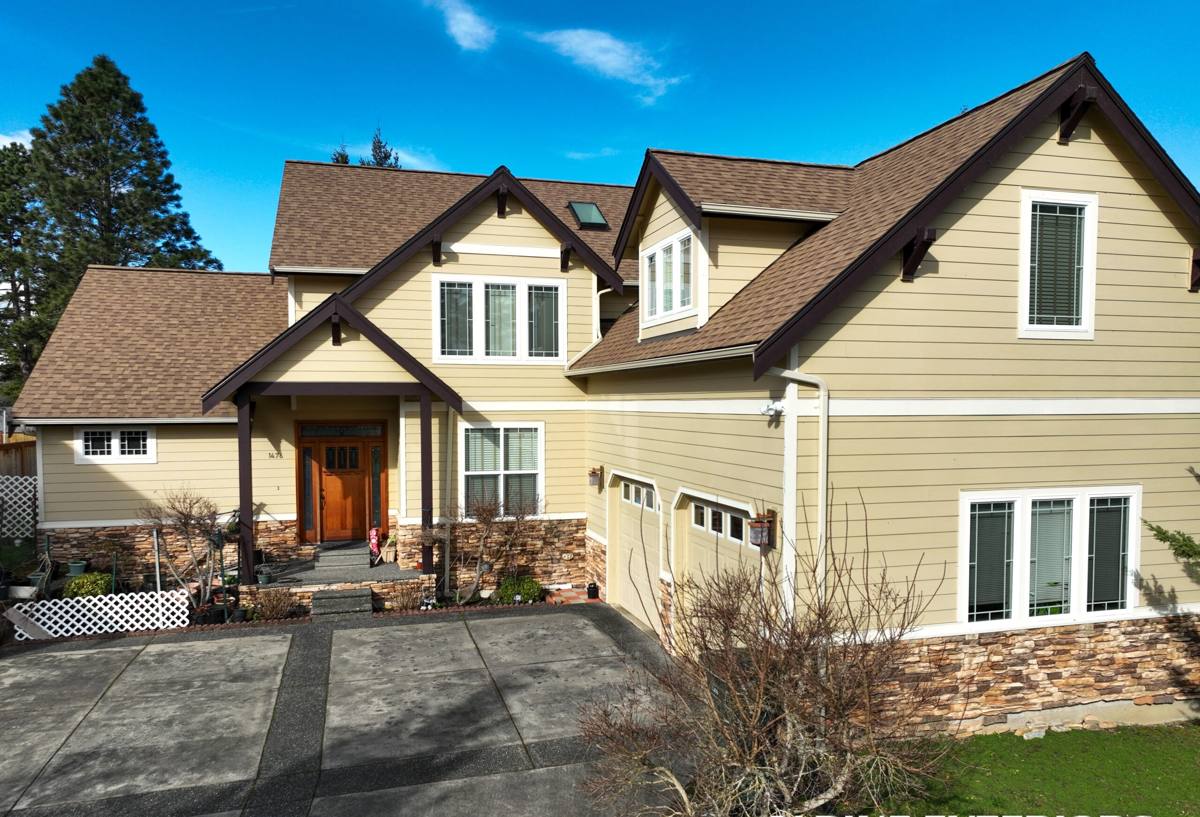
Historic Kenwood is one of St. Petersburg's older residential neighborhoods, known for its collection of early-20th-century bungalow and craftsman-style homes. That character is part of what makes the neighborhood desirable, and it's also what makes a siding job here different from a siding job on a 2015 subdivision house. A Kenwood home's exterior needs to hold up to Pinellas County's climate for decades while still looking like it belongs on the street it sits on — narrow lap reveals, trim details, and proportions that match a house built long before vinyl or fiber cement existed. Getting both of those things right at the same time is the actual job.
What St. Petersburg's Climate Does to Siding
St. Petersburg sits on a peninsula, and Historic Kenwood, like the rest of the city, deals with the full range of what Gulf Coast weather can throw at an exterior wall over a 30- or 40-year ownership.
Hurricane-Force Wind
Pinellas County gets design wind speeds that most of the country never has to build for. Siding that isn't fastened correctly, or that relies on adhesive strips and thin material to hold itself to the wall, is a liability in a named storm. The material has to resist wind load, and the installation has to be done to the fastening schedule that lets it actually perform at that rating.
Year-Round UV
Florida sun is relentless and it doesn't take a season off. Paint film on wood or hardboard siding breaks down under that kind of UV exposure faster than it would in a milder climate, which is why repainting cycles on older homes tend to run shorter here than the can label suggests.
Wind-Driven Rain
Storms in this area rarely arrive as straight-down rain. Wind pushes water sideways and up under laps, around trim, and into any gap the installer left. Siding systems and flashing details that aren't built for wind-driven rain will eventually let moisture behind the cladding, even if the surface material itself never absorbs a drop.
Salt Air
Kenwood isn't beachfront, but St. Petersburg's location on the water means salt-laden air reaches inland neighborhoods too. Salt accelerates corrosion on fasteners, flashing, and any metal component in the wall assembly, and it degrades some coatings faster than freshwater climates do.
Why Older Kenwood Homes Need a Different Approach Than New Construction
A lot of homes in this neighborhood were originally clad in wood, and many have already been through one or more re-siding jobs over their lifetime. That history matters for a few reasons. First, whatever is on the wall now needs to come off cleanly, and the sheathing and framing underneath need an honest look before new siding goes up — nobody should install a 30-year siding product over wood that's already showing rot or moisture damage. Second, the reveal and profile of the siding matters more here than on a production-built subdivision home. Craftsman and bungalow architecture reads as "off" fast when the lap width or trim proportions don't match the house's original lines. A contractor who treats every home the same way, regardless of era, ends up putting modern-looking siding on a house that was never meant to have it.
James Hardie Product Lines That Fit This Neighborhood
We install James Hardie exclusively, and Hardie's product range actually gives us the flexibility to match older architecture instead of fighting it. HardiePlank lap siding comes in multiple widths and profiles, including options that read closer to traditional narrow wood lap than the wide modern reveals seen on newer builds. HardieShingle panels can replicate a shingle look for gable ends or accent areas without the maintenance burden of actual wood shingles. Trim, soffit, and fascia all come from the same Hardie system, so the whole exterior ages and weathers as one coordinated assembly instead of a patchwork of mismatched materials.
For this climate specifically, Hardie's HZ5 product line is engineered for hot, humid, high-moisture regions like ours — it's formulated and tested for the exposure Gulf Coast homes actually see, not a generic national spec.
| Hardie Product | Typical Use on a Kenwood Home | Why It Fits |
|---|---|---|
| HardiePlank Lap Siding | Primary wall cladding, narrow-reveal profiles | Matches traditional bungalow lap lines; HZ5 formulation for humidity and moisture |
| HardieShingle | Gable accents, dormers | Replicates a wood-shingle look without wood's rot and repaint cycle |
| HardieTrim | Corner boards, window and door trim | Matches period trim proportions; resists moisture at cut edges when sealed correctly |
| ColorPlus Finish | Factory-applied color on all of the above | Baked-on finish holds color and resists fade under constant Florida UV far longer than field-applied paint |
What a Correct Installation Involves
Fiber cement siding is only as good as the installation behind it. In a wind and moisture climate like this one, the details most homeowners never see are the ones that determine whether the siding performs for 30-plus years or causes problems in ten.
- Full inspection and repair of sheathing before any new siding goes up — nothing gets covered over
- Correct weather-resistive barrier installed and lapped properly, not just stapled up and left
- Flashing at every window, door, and horizontal trim transition, installed to shed water outward
- Fastener pattern and spacing that meets Hardie's published specifications for this wind zone
- Corrosion-resistant fasteners appropriate for a salt-air environment
- Proper clearance between siding and grade, roofing, and other surfaces to prevent wicking
- Caulking and sealant only where Hardie's install guide calls for it — not as a substitute for correct flashing
- Field-cut edges sealed or back-primed so the cut edge doesn't become the weak point in the wall
Skipping any one of these doesn't show up on day one. It shows up two or three hurricane seasons later, as a leak, a soft spot, or siding that comes loose in a wind event it should have handled.
Our Process, Start to Finish
1. Walk the House
We look at the existing siding, the trim, and the wall assembly underneath where accessible, and we talk through what the home's architecture actually calls for in terms of profile and reveal.
2. Written Scope and Estimate
You get a clear, itemized estimate — what's being removed, what's underneath gets addressed, what Hardie products and colors are going on, and a realistic timeline. No pressure, no scare tactics.
3. Tear-Off and Substrate Check
Old siding comes off and the sheathing gets inspected before anything new goes up. If there's damage, you hear about it before we proceed, not after the invoice.
4. Install to Spec
Weather barrier, flashing, fastening schedule, and clearances all done to Hardie's requirements for this wind zone and moisture exposure — not the fastest version, the correct version.
5. Final Walkthrough
We walk the finished job with you, corner to corner, before calling it done.
Why a Crew That Already Works Historic Kenwood Matters
A contractor who's done siding work throughout Historic Kenwood and the surrounding St. Petersburg neighborhoods has already run into the framing quirks, old wall assemblies, and trim details that show up in homes of this era. That's not something you can pick up from a manufacturer's install manual alone — it comes from having pulled siding off enough older houses to know what's usually hiding underneath and how to size the new job accordingly. It also means fewer surprises mid-project, because the surprises that do come up on a 70- or 90-year-old wall are the ones we've already seen before.
What Affects Cost on a Kenwood Siding Job
| Factor | Why It Moves the Price |
|---|---|
| Condition of existing sheathing | Rot or water damage found during tear-off requires repair before new siding goes on |
| Siding profile and reveal width | Matching a traditional narrow-lap look can require more material and labor than a standard wide-reveal install |
| Trim complexity | Craftsman-era trim details (corner boards, window casings, gable trim) add labor beyond a plain wall |
| House size and stories | More square footage and second-story access both add time and equipment needs |
| Color and finish choice | ColorPlus factory finishes come in multiple tiers and custom-match options |
We don't quote off a square-footage rule of thumb alone — the walkthrough is what actually determines the number, because two houses of the same size in this neighborhood can need very different scopes of work.
Ready for a Straight Answer on Your Home
If your Historic Kenwood home's siding is past its prime, cracking, or you're just tired of a repaint cycle that never seems to last a full year down here, we'll come take a look and give you a straightforward, no-pressure estimate — fill out the form below and we'll get in touch.