 St. Petersburg Siding
 New Construction Windows in a Neighborhood Built Before Any of the Codes That Now Govern It
Old Southeast sits in one of the older, more established pockets of St. Petersburg — bungalows, Mediterranean Revivals, and early-20th-century cottages mixed in with additions, rebuilds, and the occasional full new build on an infill lot. When a window goes into new construction here, whether that's a ground-up house, a room addition, or a rebuild after a teardown, it has to do two jobs at once: perform like a modern coastal window and look like it belongs on a block where most of the neighbors were built decades before impact glass existed. That's a different job than swapping out a tired window in an existing wall opening, and it's worth understanding the difference before you sign off on a window package.
This page is about new-construction window installation specifically for homes and additions in Old Southeast — what the climate demands, what a correct install looks like at the framing stage, and how we approach it as a crew that already works this part of Pinellas County.
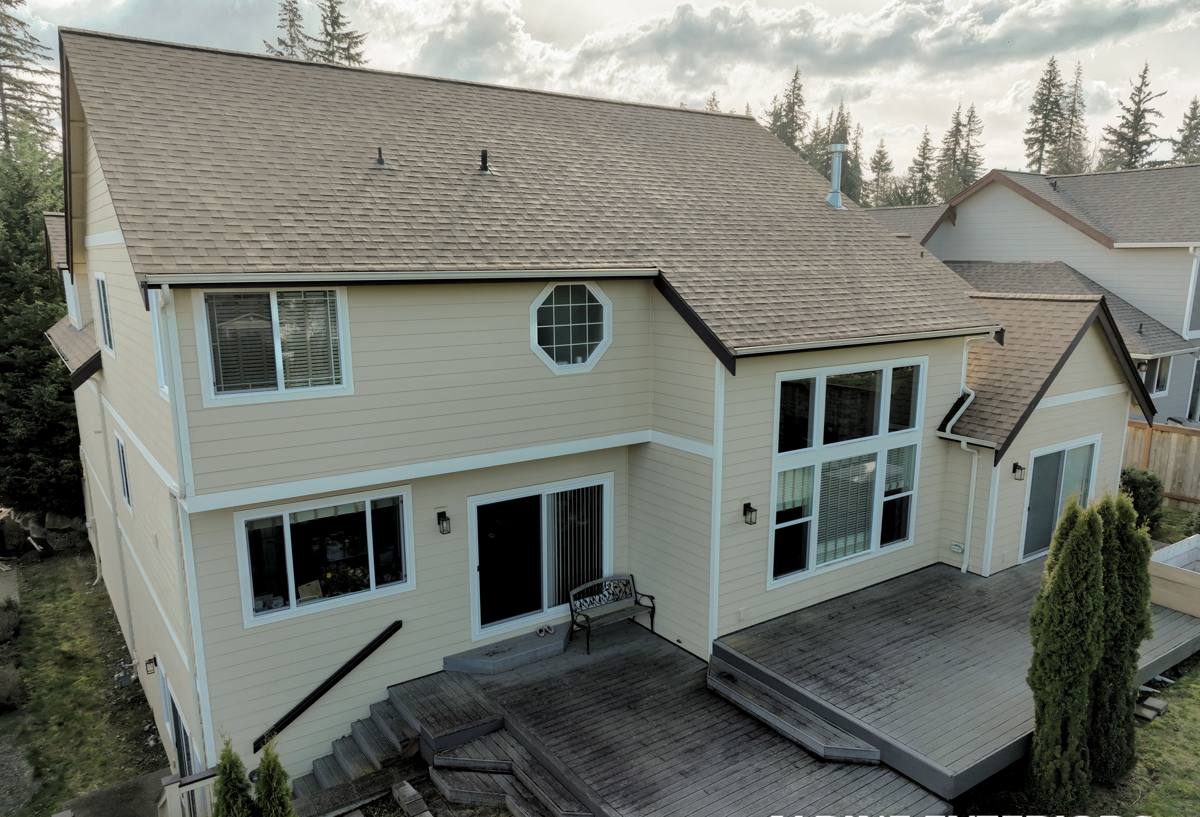
What Old Southeast's Climate Actually Does to a Window
St. Petersburg sits on a peninsula between Tampa Bay and the Gulf, and Old Southeast is close enough to open water that every one of the region's stressors shows up here at full strength:
- Hurricane-force wind — Pinellas County sits in Florida's wind-borne debris region, which drives minimum design pressures and impact requirements for new openings.
- Wind-driven rain — tropical systems don't just bring rain, they push it sideways and upward under sills and around frames that aren't flashed correctly.
- Intense, year-round UV — constant sun exposure breaks down vinyl, seals, and low-quality glazing compounds faster than in most of the country.
- Salt air — proximity to the bay accelerates corrosion on hardware, fasteners, and lower-grade aluminum components.
None of that is unique to Old Southeast — it's a Pinellas County reality — but it matters more on new construction because you only get one chance to build the opening correctly. A replacement window can be re-flashed or resealed later if something's wrong. A window installed during framing gets buried behind siding, trim, and paint, and mistakes don't surface until there's water damage inside a wall.
New Construction vs. Replacement: Why the Distinction Matters
"New construction" windows are built with a nailing fin (or flange) that fastens directly to the sheathing before the weather-resistive barrier and siding go on. That's different from replacement (or "pocket") windows, which are sized to fit into an existing frame with the exterior finish already in place. On a new build or addition in Old Southeast, we're always working with new-construction units, which gives us more control — but only if the sequencing with the framer, the WRB, and the flashing details is handled correctly.
Why the sequence matters more here than in a typical subdivision build
A production subdivision often uses one window spec across dozens of identical houses with a repeatable flashing detail. Old Southeast builds are one-off: a custom addition tying into an old roofline, a rebuild working around an unusual lot, or new construction designed to sit comfortably next to century-old neighbors. That means every opening gets checked on its own — rough opening size, sill pan detail, head flashing lap sequence — rather than assuming a template will work everywhere on the house.
Getting the Look Right Without Giving Up Performance
New construction gives you the chance to actually match Old Southeast's older housing stock — divided-lite patterns, narrower sightlines, appropriate proportions — instead of being stuck with whatever fits an old rough opening. That's an advantage over replacement work, but it only pays off if you spec the right frame material, glass, and grille pattern up front.
Common style choices we see requested in this neighborhood
- Simulated divided lite (SDL) grilles to read as true divided-lite windows from the street without the maintenance of actual wood muntins.
- Single-hung or double-hung profiles to match the proportions of the older bungalows and cottages nearby, even on new construction.
- Low-profile frames on street-facing elevations, with more standard sightlines on rear or side walls that aren't as visible.
- Color-matched frames (bronze, white, or a historic-appropriate dark tone) rather than mill-finish aluminum.
If the property falls within a designated historic district or is subject to design review, window profile, material, and grille pattern can be part of what gets evaluated before permits are approved — that review happens at the city level, and we design around whatever the approved plans call for rather than guessing at it ourselves.
Frame and Glass Options: What Actually Fits This Climate
There's no single "correct" window for every new-construction project, but the trade-offs are consistent. Here's how the common choices stack up for a coastal Pinellas County build:
| Option | Wind/Impact Performance | Salt Air Durability | Maintenance | Typical Fit |
|---|---|---|---|---|
| Impact-rated vinyl | Strong — laminated glass resists wind-borne debris | Good; vinyl doesn't corrode | Low | Most cost-effective new-construction option |
| Impact-rated aluminum | Strong; narrower sightlines possible | Needs quality finish/hardware to resist corrosion near the bay | Moderate | When narrow frames or a specific historic profile are wanted |
| Non-impact + engineered shutters/panels | Meets code only if opening protection is installed and used | Depends on shutter material | Higher — panels must be deployed before storms | Lower upfront window cost, more owner responsibility |
| Wood or wood-clad | Can be impact-rated, but a smaller category of products | Vulnerable without diligent upkeep near salt air | Highest | Historic-accuracy priority projects with an owner willing to maintain them |
For most new construction in this neighborhood, impact-rated vinyl or aluminum ends up being the practical answer: it satisfies the wind-borne debris requirement without relying on shutters that have to be installed before every storm, and it holds up to UV and salt air with minimal upkeep. Wood is a legitimate historic-accuracy choice, but it comes with a maintenance commitment that's worth being honest about before you commit to it.
How We Install New-Construction Windows in Old Southeast
1. Rough opening verification
Before a window ever shows up on site, we confirm the rough opening matches the ordered unit — square, plumb, and sized with proper clearance. On custom and one-off builds, this step catches framing errors before they become installation problems.
2. Sill pan and flashing
Every opening gets a sloped sill pan to direct any water that gets past the window back outside, followed by flashing tape integrated with the weather-resistive barrier in a strict shingle-lap sequence — sill first, then jambs, then head — so water always sheds downward and outward, never into the wall cavity.
3. Setting and fastening the window
The unit is set, shimmed for square and level, and fastened through the nailing fin per the manufacturer's schedule. In a wind-borne debris region, fastener spacing and type aren't optional details — they're what the wind rating actually depends on.
4. Sealing and siding integration
Once flashed and fastened, the perimeter is sealed with a compatible sealant, and we coordinate with whatever siding or stucco finish is going on next so the final trim detail sheds water rather than trapping it against the frame.
5. Final check
Every window gets operated, checked for square, and inspected for a continuous, correctly lapped flashing plane before we consider the opening closed up.
Permitting and Code Considerations Specific to This Area
New-construction windows in St. Petersburg go through the city's permitting process, and Pinellas County's location in the wind-borne debris region means the window's design pressure and impact rating (or approved opening protection) has to be documented as part of that approval. If the property is within a locally designated historic district, exterior changes — including window style, material, and proportions — may also go through a separate design review before or alongside the building permit. We coordinate window selection with whatever that approval requires rather than treating it as an afterthought, because a beautiful window that doesn't match the approved plans is a problem you don't want to discover after it's installed.
A practical checklist before you finalize a new-construction window order
- Confirm the design pressure and impact rating required for your specific elevation and wind exposure.
- Verify whether the property is in a historic district and, if so, what window style/material constraints apply.
- Match grille pattern and frame profile to the house's architectural style, not just what's in stock.
- Confirm sill pan and flashing details are specified in writing, not left to on-site improvisation.
- Check hardware and finish for salt-air-appropriate corrosion resistance, especially on properties closer to the bay.
- Get manufacturer warranty terms in writing, including what's covered on seals, glass, and hardware.
Why It Matters to Hire a Crew That Already Works Old Southeast
New-construction window work isn't complicated in the abstract — the physics of flashing and fastening are the same everywhere. What's different here is the combination of factors stacked on top of each other: a wind-borne debris zone, salt-air exposure, intense UV, and in many cases a historic-district design review layered on top of the standard building permit. A crew that hasn't worked this specific mix before can get the window itself right and still miss the design-review requirement, or get the style right and cut a corner on flashing that only shows up as a leak years later.
Working in this neighborhood regularly means we're not learning the permitting process, the wind exposure category, or the kind of window profiles that read correctly on these houses for the first time on your project. That's less about any one trick and more about not having to guess.
Cost Factors to Expect
New-construction window pricing depends on several variables that are worth discussing openly rather than quoting a flat number that doesn't apply to your project:
| Factor | How It Affects Cost |
|---|---|
| Impact rating vs. standard glass + shutters | Impact-rated units cost more per window but remove the ongoing cost/labor of deploying shutters |
| Frame material (vinyl vs. aluminum vs. wood) | Vinyl is generally most economical; wood carries the highest material and upkeep cost |
| Grille pattern / historic-style detailing | SDL grilles and custom profiles add cost over a plain sash |
| Number and size of openings | Larger and more numerous openings scale total cost directly |
| Historic design review requirements | May narrow product options, which can shift cost up or down depending on what's approved |
Rather than estimating from a general range, we walk the plans (or the site, for a rebuild or addition) and quote based on the actual opening count, sizes, and code requirements for your specific project.
If you're planning new construction, an addition, or a rebuild in Old Southeast and need windows specified and installed correctly the first time, we're glad to walk the plans with you and put together a free, no-pressure estimate — just fill out the form below.