 St. Petersburg Siding
 Why Old Southeast Roofs Wear Out Faster Than You'd Expect
Old Southeast is one of St. Petersburg's older, established neighborhoods, and that means a lot of the roofs sheltering those homes have already been through decades of Pinellas County weather. A roof here doesn't just sit in the sun — it takes a steady beating from hurricane-force winds during storm season, intense year-round UV that most of the country never sees, wind-driven rain that gets forced sideways under poorly sealed edges, and salt air drifting in off Tampa Bay that quietly corrodes metal fasteners and flashing. Any one of those on its own is manageable. All four, every year, for 20 or 30 years, is what actually ends a roof's life early.
That's the context we bring to every new roof installation we do in Old Southeast: this isn't a generic re-roof, it's a roof built specifically to survive St. Petersburg's climate on top of a home that was likely built before modern wind and moisture codes existed.
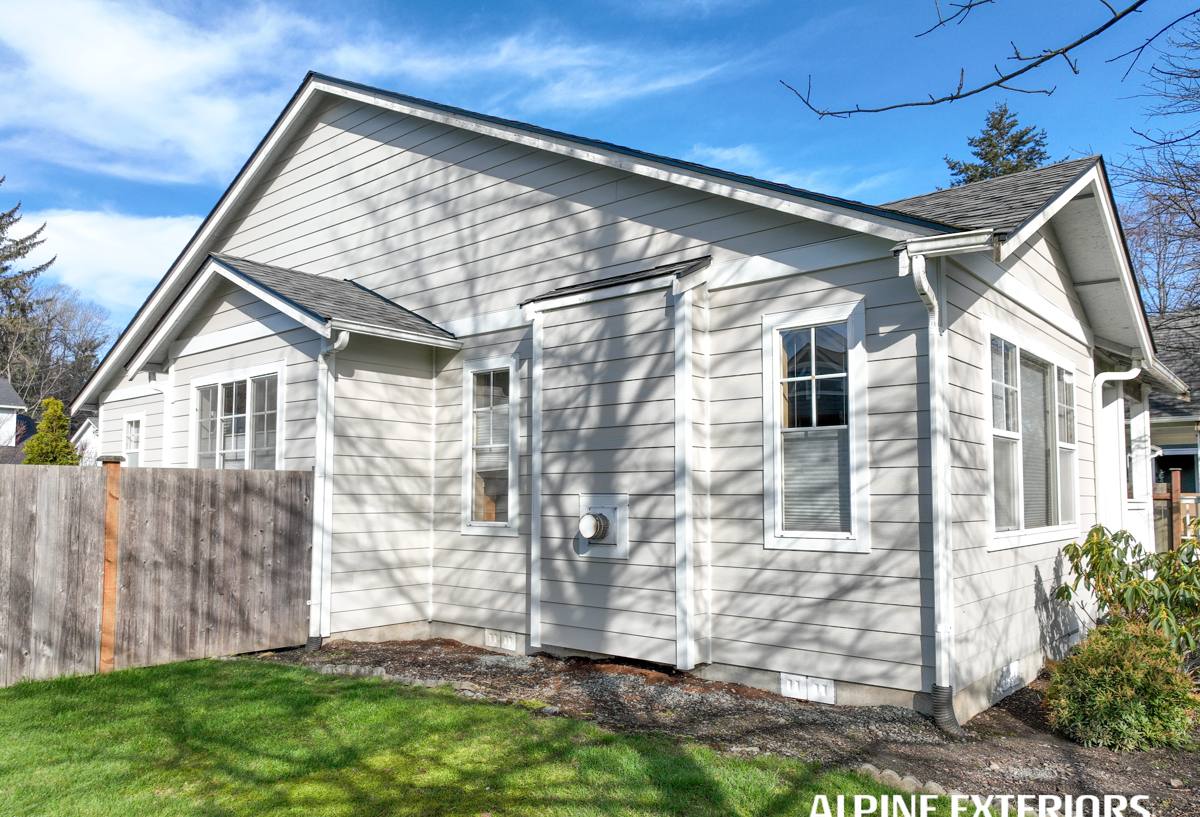
What Makes Roofing an Old Southeast Home Different
Older Roof Decks and Framing
Many homes in this part of St. Petersburg have original or older roof decking — sometimes true 1x plank sheathing instead of modern plywood or OSB. That changes how a tear-off has to be handled and how much deck repair should be expected before new material goes down. A crew that doesn't anticipate this will either miss soft or rotted decking, or bid the job assuming modern conditions and then hit you with surprise costs mid-project.
Mixed Roof Lines and Additions
Older neighborhoods tend to have homes that were added onto over the years — a porch enclosure, a rear addition, a garage tie-in. Each of those transitions is a place where two roof planes meet, and that's exactly where leaks start if flashing and step-flashing details aren't done correctly. A one-size roofing crew that mainly does new-construction tract homes often hasn't had to think hard about these transitions in years.
Neighborhood Character
Homeowners in Old Southeast generally care about how the house looks from the street, and a lot of these homes have a distinct architectural character. We take that seriously — matching roofline proportions, keeping trim and edge details clean, and not defaulting to whatever's cheapest to install regardless of how it reads on an older home.
Signs an Old Southeast Roof Needs Replacement, Not Another Repair
Not every roof problem means a full replacement, but past a certain point, patching becomes throwing money at a roof that's already lost the fight against wind and UV. Here's what we look for during an inspection:
- Shingles that are cupping, curling at the edges, or have visibly lost their granules (a sign UV has broken down the asphalt)
- Multiple past repair patches, especially around penetrations like vents and chimneys
- Soft spots or noticeable give when walking the roof deck
- Daylight visible through the attic at roof boards or ridge lines
- Rusted, lifted, or missing flashing at valleys, walls, and roof-to-wall transitions
- Granules collecting in gutters after storms — a sign the shingle surface is wearing away
- A roof that's 18-20+ years old, especially if it's never had major wind or hail damage repaired
- Visible sagging along the roofline or at valleys
If you're seeing two or more of these, it's worth getting a straight answer on whether repair still makes sense or whether you're better off putting that money toward a new roof that resets the clock.
Roofing Materials That Actually Hold Up Here
Not every roofing product performs the same way under Gulf Coast conditions. We walk every Old Southeast homeowner through the real trade-offs — cost, wind performance, heat behavior, and long-term maintenance — rather than steering toward whatever is easiest to install.
| Material | Wind Performance | Heat & UV Behavior | Salt Air Durability | Typical Lifespan |
|---|---|---|---|---|
| Architectural asphalt shingle (standard) | Good with proper fastening; rated to 110-130 mph installed | Fades and loses granules over time under constant UV | Moderate — fasteners and flashing matter more than the shingle itself | 18-25 years |
| Impact-rated (Class 4) asphalt shingle | Strong wind and impact resistance; often qualifies for insurance discounts | Reinforced mat holds up better to heat cycling | Moderate to good | 20-30 years |
| Standing seam metal | Excellent when properly fastened; among the best wind ratings available | Reflects heat well, reduces attic temperature | Requires coastal-rated fasteners and coatings to resist corrosion | 40-50+ years |
| Concrete or clay tile | Very good when correctly fastened to code; heavy, so deck must support it | Excellent — tile handles UV and heat with almost no degradation | Very good, though underlayment beneath it still needs periodic attention | 40-50+ years |
For most Old Southeast homes, architectural or impact-rated shingles remain the practical choice — they match the scale and look of older homes and keep costs reasonable. Metal and tile are excellent options where the budget and structure support them, particularly for homeowners planning to stay long-term and wanting to minimize future roofing decisions altogether.
Why We're Selective About Certain Products
We don't install every roofing product on the market, and that's a deliberate standard, not an accident. Some lower-cost 3-tab shingles, for example, simply don't have the wind rating or wind-driven-rain resistance to make sense in a hurricane-exposed coastal county — we'd rather tell you that upfront than sell you a roof we know will underperform here. Same goes for underlayment: we don't cut corners to synthetic felt alternatives that skip on wind-driven rain protection just to shave a line item off a bid.
What a Correct New Roof Installation Actually Involves
A roof is only as good as what's underneath the shingles, tile, or metal you can see. Here's what we consider non-negotiable on every install:
Full Tear-Off and Deck Inspection
We remove the existing roof down to the deck rather than layering over it. That's the only way to actually see the condition of the decking, catch rot or delamination, and replace bad sections before covering them back up.
Underlayment Built for Wind-Driven Rain
St. Petersburg storms rarely produce rain that falls straight down — wind pushes it sideways and up under shingle edges. We use underlayment systems, including self-adhering membrane at eaves, valleys, and penetrations, specifically chosen to handle that.
Flashing Done Right the First Time
Step flashing at walls, counter-flashing at chimneys, and properly lapped valley flashing are where most leaks originate when skipped or rushed. We install new flashing rather than reusing old, corroded pieces, especially given how salt air accelerates metal fatigue here.
Wind-Rated Fastening
Nail pattern, fastener length, and fastener type all affect how a roof performs in high wind — and they're also what inspectors and insurance wind-mitigation reports check. We follow manufacturer specifications and Florida Building Code fastening schedules, not just "enough nails to hold it down."
Attic Ventilation
A roof that traps heat and moisture ages faster from the inside out, and poor ventilation can void manufacturer warranties. We check and correct intake and exhaust ventilation as part of the install, not as an afterthought.
Our Process for Old Southeast Homeowners
- Inspection and honest assessment — we get on the roof, check the attic, and tell you plainly whether you need a repair or a replacement.
- Written estimate with material options — clear pricing across the material tiers that make sense for your home, with the trade-offs explained, not just a single number.
- Permitting — we pull the required City of St. Petersburg / Pinellas County permits and coordinate any historic-neighborhood documentation your project may call for.
- Tear-off and deck repair — old roofing removed, decking inspected, any soft or damaged sections replaced before anything new goes down.
- Underlayment, flashing, and fastening — installed to code and manufacturer spec, with special attention to valleys, walls, and penetrations.
- Final material installation — shingles, tile, or metal installed per manufacturer wind-rating requirements.
- Cleanup and magnetic sweep — job site and yard cleared of debris and stray nails.
- Final walkthrough and inspection sign-off — we review the finished roof with you and make sure the permit closes out properly.
Permits, Wind Mitigation, and Insurance in Pinellas County
A new roof in St. Petersburg isn't just a construction project — it's also a paperwork event that affects your insurance. Florida requires a permitted roof replacement to meet current Florida Building Code wind provisions, which in Pinellas County means real attention to fastening schedules, secondary water barriers, and, where applicable, impact resistance. Once the new roof is installed and passes final inspection, it's worth getting an updated wind mitigation inspection — a properly documented new roof, correct fastening, and hip-style or reinforced roof-to-wall connections can lower your windstorm insurance premium noticeably. We handle the permit process directly so you're not the one chasing inspectors or paperwork.
Why a Crew That Already Works Old Southeast Matters
Roofing an older, established neighborhood isn't the same as roofing a new subdivision. A crew that regularly works Old Southeast already knows what to expect from the roof decking on homes of this era, has already coordinated with the same city permitting office, and understands the visual expectations homeowners here have for how a roofline should look. That familiarity translates directly into fewer surprises during the tear-off, fewer change orders, and a finished roof that actually fits the house instead of looking bolted on. It also means we're not learning Pinellas County's wind and building code requirements on your project — we already build to them every day.
After Installation: Keeping Your New Roof Performing
A new roof still needs occasional attention to get its full lifespan out of a St. Petersburg climate. Keep gutters clear so water doesn't back up under the edge of the roof, have the roof looked at after any major named storm even if nothing looks obviously wrong, and don't ignore small issues like a lifted shingle tab or a rust streak from a fastener — those are cheap to fix early and expensive to fix after a leak develops. If you had impact-rated or wind-rated materials installed, keep your documentation; you'll want it on hand for insurance renewals and wind mitigation reinspections.
If your Old Southeast roof is showing its age or you're planning ahead of the next storm season, we're happy to take a look and give you a straight, no-pressure assessment. Use the form below to request a free estimate, and we'll walk the roof with you and explain exactly what we find.