 St. Petersburg Siding
 Roof Repair Built for Old Southeast's Older Homes
Historic Old Southeast is one of the older residential pockets of St. Petersburg, and the roofs in this neighborhood reflect that. You'll find original framing under later re-roofs, additions with rooflines that don't quite match the main structure, and repair patches layered over repair patches from decades of quick fixes. A roof repair here isn't the same job as a repair on a ten-year-old subdivision house. It has to account for what's actually underneath, not just what's visible from the ground.
That's the gap we try to close. A roof repair done without understanding the age and construction of a home can look fine for a season and then fail at the first hard blow-through rain. A repair done right accounts for the deck, the flashing details, and the roof's real condition — not just the spot that's currently leaking.
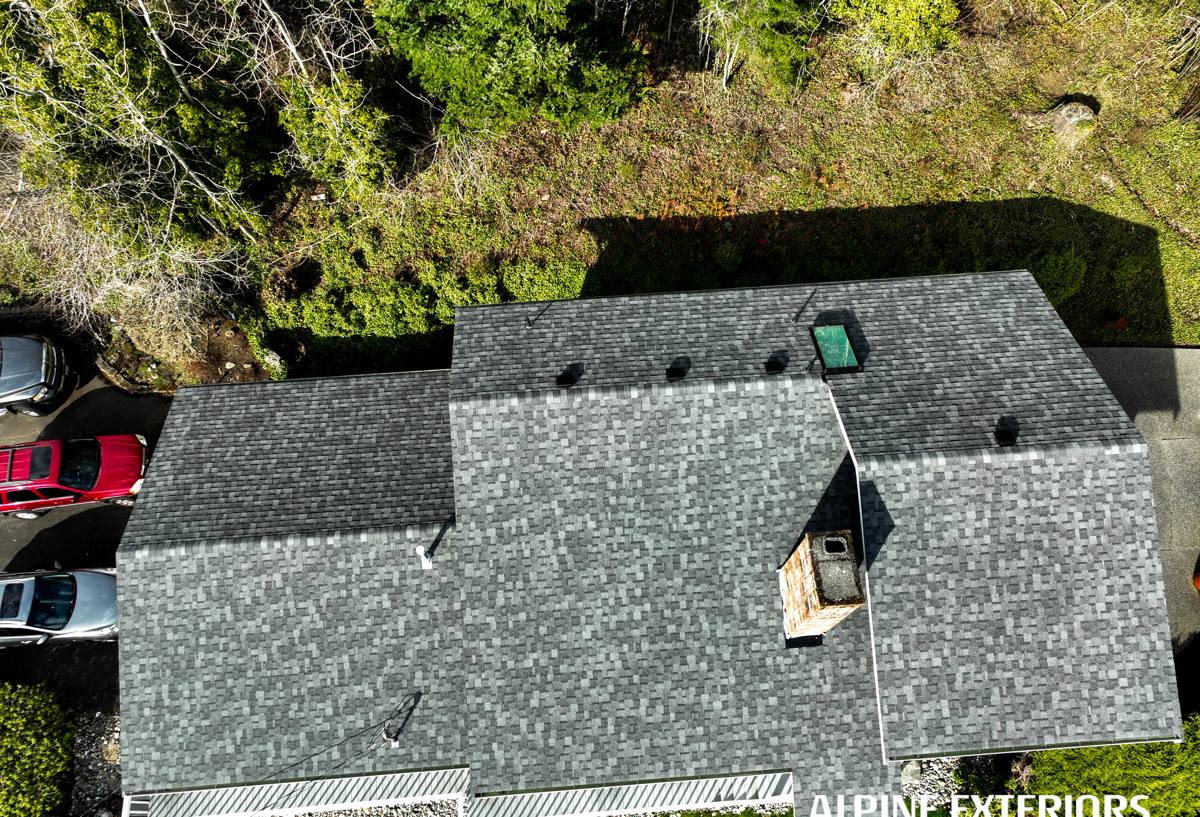
What St. Petersburg's Climate Does to an Older Roof
Pinellas County sits in a coastal, subtropical climate, and every roof in St. Petersburg is working against the same set of stressors year-round. On an older roof, those stressors show up faster and in more places at once.
Year-Round UV Exposure
Florida sun breaks down roofing materials from the top down. Asphalt shingles lose granules and become brittle, exposed sealants dry out and crack, and metal coatings chalk and fade. On a roof that's already older, UV damage compounds — a shingle that would flex and hold on a newer roof simply cracks on an older one.
Wind-Driven Rain and Hurricane Season
Straight-down rain rarely finds a way into a sound roof. Wind-driven rain is a different problem — it gets pushed sideways and upward under shingles, tiles, and flashing that would otherwise shed water fine. Hurricane-force gusts, even from storms that don't make direct landfall, are enough to lift edges, loosen fasteners, and open small gaps that let water track in every time it rains afterward. Older roofs, with more fastener cycles and more prior repairs, tend to have more of these vulnerable points.
Salt Air Corrosion
St. Petersburg's proximity to the water means salt-laden air moves through the whole city, not just the immediate waterfront. Salt accelerates corrosion on any exposed metal — flashing, fasteners, vent stacks, gutter hardware. On an older roof where that metal is original, corrosion is often further along than a quick look would suggest.
Common Roof Types on Old Southeast Homes
This neighborhood has a genuine mix of roof types, and each one fails differently and needs a different repair approach.
| Roof Type | What We Typically Find | Repair Considerations |
|---|---|---|
| Asphalt shingle | Granule loss, curling, cracked seals, prior patch work | Matching shingle profile and color on an older roof can be difficult if the original product is discontinued; we source the closest available match and are upfront about visible differences |
| Standing seam / metal | Fastener corrosion, seam separation, coating breakdown | Repairs need matching panel profiles and corrosion-resistant fasteners; mismatched metals can accelerate galvanic corrosion |
| Clay or concrete tile | Cracked or slipped tiles, failed underlayment beneath sound-looking tile | Tile itself often outlasts the underlayment under it — a leak can mean the tile is fine but what's beneath it has failed |
| Flat / built-up or modified bitumen | Ponding water, seam failure, membrane blistering from UV | Common on additions and porches; repairs must address drainage, not just patch the failed seam |
Signs a Roof Needs Repair — Not Just a New Coat of Sealant
Homeowners often reach for a caulk gun or a roofing cement bucket at the first sign of trouble. That can buy a little time, but it rarely addresses what's actually going wrong underneath. Watch for these signs:
- Water stains on ceilings or interior walls, especially ones that appear or grow after wind-driven rain rather than steady rain
- Missing, cracked, curling, or lifted shingles, tiles, or panels
- Granules collecting in gutters or at downspouts
- Soft or spongy spots on the roof deck when walked (a sign of moisture intrusion, not just surface wear)
- Rusted, lifted, or separated flashing around chimneys, vents, and roof-to-wall transitions
- Visible daylight in the attic, or musty odors suggesting trapped moisture
- Sagging rooflines or valleys, which can indicate deck or structural issues beneath the surface
Any one of these on its own might be minor. Several together, especially on an older roof, usually mean it's time for a real inspection rather than another round of surface sealant.
What a Correct Roof Repair Actually Involves
A repair that holds up in this climate isn't just about covering the hole. It's about understanding why water got in and fixing that path, not just the symptom.
Finding the Real Source
Leaks travel. Water entering at a flashing point can run along the deck and show up on a ceiling several feet away. On an older home with layered repair history, tracing the actual entry point — rather than patching where the stain appears — is the difference between a repair that lasts and one that reopens with the next storm.
Addressing the Deck, Not Just the Surface
If water has been getting in for a while, the roof deck underneath may be soft, delaminated, or rotted. Patching over a compromised deck doesn't fix anything — it just hides the problem until the next leak or a soft spot gives way underfoot.
Flashing and Transition Points
Most roof leaks start at a transition — a chimney, a valley, a wall intersection, a vent pipe — not in the open field of the roof. A proper repair rebuilds those transitions correctly rather than gooping sealant over an aging flashing detail.
Matching Materials Where It Matters
On an older roof, an exact material match isn't always possible if the original product is discontinued. We aim for the closest match available in profile, color, and performance, and we'll tell you plainly if a perfect match isn't realistic so you can decide how much that matters to you.
How We Approach Roof Repair in Old Southeast
We start with an on-site inspection — from the roof surface where it's safe to walk, and from the attic where accessible — to understand the age of the roofing system, the condition of the deck, and where water is actually getting in. We're not diagnosing from the ground or from a photo.
From there we give you a clear picture: what's causing the current problem, what repair options exist, and honestly, whether a repair is the right call or whether the roof's overall condition means a repair would just be a short-term fix on a system nearing the end of its service life. We'd rather tell you that upfront than have you pay for a repair that doesn't hold.
Work is done with attention to the age of the structure underneath — older decking, older fastening patterns, and prior repair layers all change how a job should be approached. We clean up thoroughly and leave the property the way we found it, aside from the roof being fixed.
Permitting and Working in an Established Neighborhood
Roof repair work in St. Petersburg is subject to city and Pinellas County permitting requirements depending on the scope of the job — minor cosmetic repairs are treated differently than repairs involving structural decking or a significant portion of the roof surface. We handle the permitting conversation so you're not left guessing whether your project needs one.
We're also mindful that Old Southeast is a close, established neighborhood with narrower streets and mature tree canopy in places. We plan material staging, dumpster placement, and work hours to be considerate of neighbors and the character of the street — not just to get the job done fast.
Why Local Experience in This Neighborhood Matters
A roofing crew that regularly works in Old Southeast has already seen how homes of this era and construction type behave under Florida conditions — where leaks tend to originate, how prior repairs were typically done, and what a sound repair looks like versus one that's just cosmetic. That familiarity shows up in fewer surprises during the job and a repair that's sized correctly to the actual problem, not guessed at.
It also means we're not learning the neighborhood's quirks on your dime. We can talk through what we're seeing on your roof in plain terms, tell you what's urgent versus what can wait, and give you a straight answer about cost and scope before any work starts.
Maintenance That Extends a Repair's Life
A well-done repair still needs basic upkeep, especially in this climate. Keeping gutters and downspouts clear so water doesn't back up under the roof edge, trimming back overhanging branches that scrape shingles or drop debris into valleys, and having the roof looked at after any major storm all go a long way toward making sure a repair holds instead of becoming a recurring problem.
If you're dealing with a leak, storm damage, or just want an honest read on your roof's condition, we're happy to take a look. Fill out the form below for a free, no-pressure estimate — we'll tell you what we find and what your real options are.