 St. Petersburg Siding
 Old Northeast's Homes Weren't Built for Today's Weather
Old Northeast is one of the older residential pockets in St. Petersburg — brick streets, mature oak canopy, and a mix of bungalows, Mediterranean Revival cottages, and early 20th-century frame houses that have been added onto, re-sided, and repainted more than once over the decades. A lot of that original siding, or the replacement siding that went up years later, was never engineered for the punishment Pinellas County weather delivers year after year.
That combination of age and exposure is exactly why this page exists. Re-siding a 1920s frame house two blocks from Tampa Bay is a different job than re-siding a 2005 stucco-and-frame home in a new subdivision. The substrate is different, the trim details are different, and the standard for what "done right" looks like is higher — because a bad install on an older home shows up faster and costs more to fix.
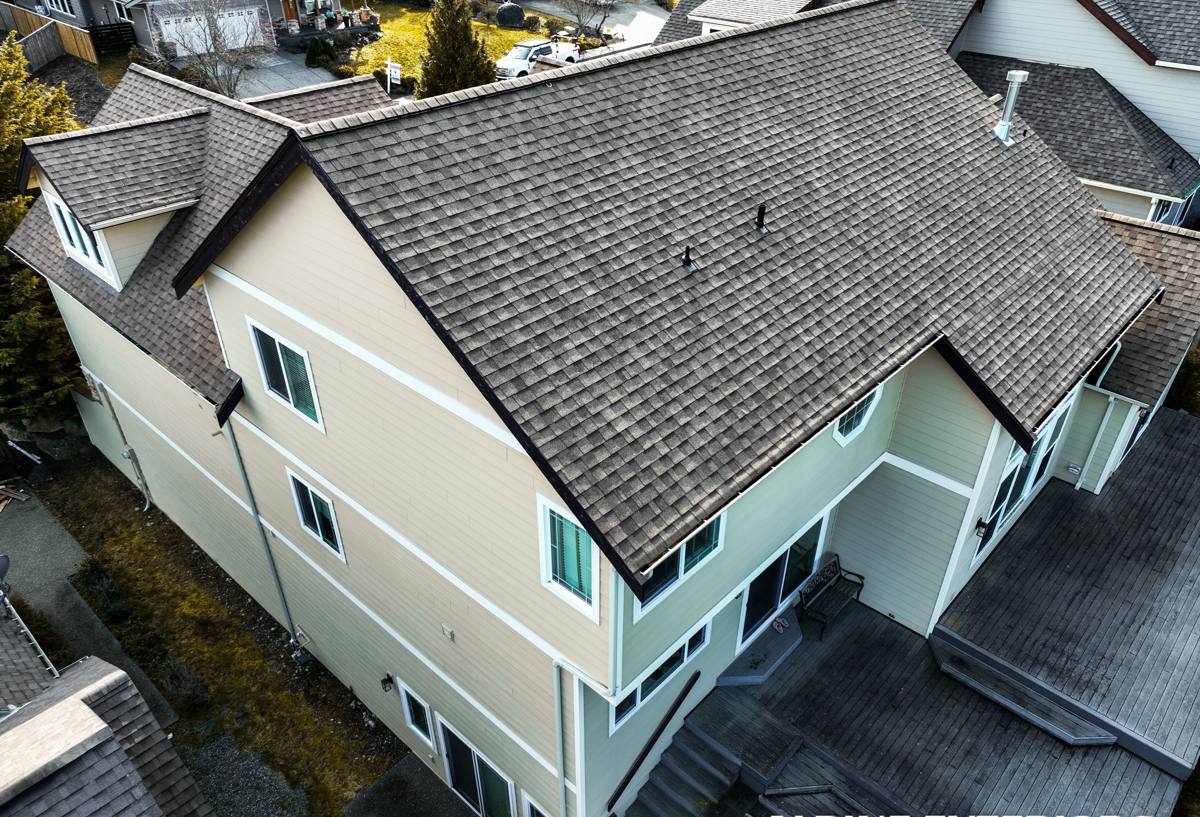
What St. Petersburg's Climate Actually Does to Siding
We don't need to exaggerate the conditions here — the real numbers are enough to explain why so many homes in this neighborhood have visible siding fatigue:
- Hurricane-force wind events that stress every seam, corner, and fastener in a wall assembly, sometimes more than once in a season
- Intense, near year-round UV exposure that breaks down paint film and lower-grade composite materials from the outside in
- Wind-driven rain that gets pushed sideways and upward under laps, trim, and window flashing that wasn't detailed correctly the first time
- Salt air drifting inland off Tampa Bay and the Gulf, which accelerates corrosion on fasteners and finishes not rated for coastal exposure
Individually, any one of those is manageable. Together, over 15-20 years, they're what separates a siding job that still looks sharp from one that's chalking, buckling, or rotting at the butt joints. Old Northeast's tree canopy adds one more variable: more shade means slower drying after rain, which matters a lot if the siding material or the installation detail underneath it can't handle sustained moisture.
Why We Only Install James Hardie
We standardized on James Hardie fiber cement siding for every job we do, including in Old Northeast, and we don't install vinyl, LP SmartSide, or other composite or wood products. That's not a marketing position — it's a decision based on what holds up under the conditions above. Fiber cement is non-combustible, doesn't expand and contract the way vinyl does in Florida heat, and doesn't have the moisture-related failure points that engineered wood products can develop at cut edges and seams if they're not perfectly sealed and maintained.
James Hardie also builds a specific product line, HZ5, engineered for high-humidity, storm-exposed climates like ours — it's not the same formulation sold in drier, colder parts of the country. That regional engineering, combined with the factory-applied ColorPlus finish (which is baked on rather than field-painted), is a big part of why we're comfortable telling homeowners this is the one product we'll put our name behind.
What We're Not Claiming
Hardie siding is not maintenance-free, it's not cheaper than vinyl up front, and it still requires a correct installation to perform the way it's designed to. We'll say that plainly on every page on this site. The trade-off is that when it's installed to spec, it holds paint longer, resists wind and moisture better, and comes with a stronger transferable warranty than the alternatives we chose not to carry.
Matching Hardie to Old Northeast's Architecture
One thing that makes Old Northeast different from a lot of our other service areas is the housing stock itself. Many of these homes have original architectural detailing — narrow lap reveals, decorative shingle accents in gable ends, or board-and-batten sections — that a generic re-siding job can flatten out if the installer isn't paying attention.
James Hardie's product lineup actually gives us room to match that detailing instead of erasing it:
| Hardie Product | Typical Use on Older Homes | Why It Fits |
|---|---|---|
| HardiePlank lap siding | Main wall field, matching original clapboard reveal | Available in reveal widths that mimic historic wood lap profiles |
| HardieShingle | Gable ends, dormers, accent bands | Replicates the staggered or straight-edge shingle look common on bungalows |
| HardiePanel + battens | Porch gables, accent walls | Reproduces board-and-batten detailing without the rot risk of real wood |
| HardieTrim | Window and corner trim | Matches historic trim widths, resists the rot that hits original wood trim first |
When we quote a job here, we're looking at the existing trim reveals and profile lines before we ever talk about color, because getting that proportion right is what makes a re-sided historic-style home still look like itself.
What a Correct Installation Actually Involves
The material is only half the equation. Most of the siding failures we get called out to inspect in this area trace back to installation shortcuts, not the product itself. On a coastal, storm-exposed job, the details that matter most are:
- Proper clearance between the bottom of the siding and grade, decking, or roofing — Hardie specifies minimum gaps to keep splash-back moisture off the cut edges
- Correct fastener type and spacing rated for high-wind zones, driven to the manufacturer's depth (not too deep, not proud)
- Weather-resistive barrier and flashing installed and lapped correctly at every window, door, and penetration before the first board goes up
- Factory-cut edges sealed wherever a board is field-cut, since raw cut edges are the most moisture-vulnerable part of any fiber cement board
- Proper caulking at butt joints and trim using a sealant rated for the movement and UV exposure Florida siding sees
Skip any one of these and you can still end up with moisture intrusion or premature paint failure even though the siding itself is top of the line. This is the part of the job that separates crews who've installed a lot of Hardie from crews doing their first few jobs with it.
Why Local Experience in Old Northeast Matters
A crew that's already worked in this neighborhood knows things a first-timer has to learn the hard way: how the older stud framing on these houses sometimes needs extra attention before new siding goes on, how tree cover affects drying time and paint cure, and what the tie-in details look like around original masonry, porch columns, or window openings that were never built to a modern rough-opening spec.
There's also a practical side — knowing the realistic parking, staging, and material delivery situation on narrow, tree-lined streets, and being considerate of a neighborhood where houses sit close together. None of that is complicated, but it's the difference between a job that runs smoothly and one that turns into a headache for the homeowner or the neighbors.
Our Process on an Old Northeast Job
- On-site inspection: we look at the existing siding, sheathing condition, trim profiles, and any moisture damage before quoting anything
- Written estimate: a clear scope covering product line, color, trim details, and what's included — no vague allowances
- Substrate check and repair: any rotten sheathing or framing gets addressed before new siding goes up, not covered over
- Installation to manufacturer spec: fastening, flashing, clearances, and sealing done to James Hardie's published requirements for our climate zone
- Final walkthrough: we go over the finished job with the homeowner before calling it complete
What to Check Before You Hire Anyone for This Job
Whether you go with us or someone else, these are worth confirming up front on any re-siding project in this area:
- Are they licensed and insured to do exterior work in Pinellas County?
- Do they carry manufacturer certification or documented experience installing James Hardie specifically?
- Will they put fastener type, flashing details, and clearances in writing, not just "siding replacement" as a line item?
- Do they address existing sheathing or framing damage as a separate, disclosed step — not something quietly skipped?
- Can they explain the warranty terms, including what's covered by the manufacturer versus the installer?
Cost Factors on a Home Like Yours
We won't quote a number without seeing the house, but the variables that move the price on an Old Northeast job are fairly consistent: total square footage, how much trim and accent detail needs to be replicated, whether existing sheathing needs repair, the number of stories and roof lines complicating access, and the Hardie color and texture selected. A straightforward one-story bungalow with simple trim runs differently than a two-story home with multiple gables and shingle accents.
Ready for a Straight Answer on Your Home
If your siding is original, failing, or you're just tired of repainting every few years, we're happy to come take a look and give you an honest read on what your home actually needs — no pressure, no inflated scope. Fill out the form below for a free estimate and we'll walk the property with you in person.