 St. Petersburg Siding
 New-Construction Windows, Explained
"New-construction" is a specific method of installing a window, not a style or a brand. It means the window has a nailing fin (also called a flange) around its perimeter, and it gets installed by removing the old window down to the rough framing, setting the new unit against the studs, and fastening through that fin directly into the frame. The window and wall are then flashed and sealed as one continuous water-management system, the same way it would be done on a house being built from scratch.
This is different from a retrofit or "pocket" replacement, where the new window is inserted into the existing frame and the old exterior trim stays in place. Retrofit is faster and less invasive, but it's a compromise — you're building a new window into an old, sometimes compromised opening. New-construction installs cost more in labor and finish work, but they let us actually inspect and fix what's behind the old window before anything gets closed back up.
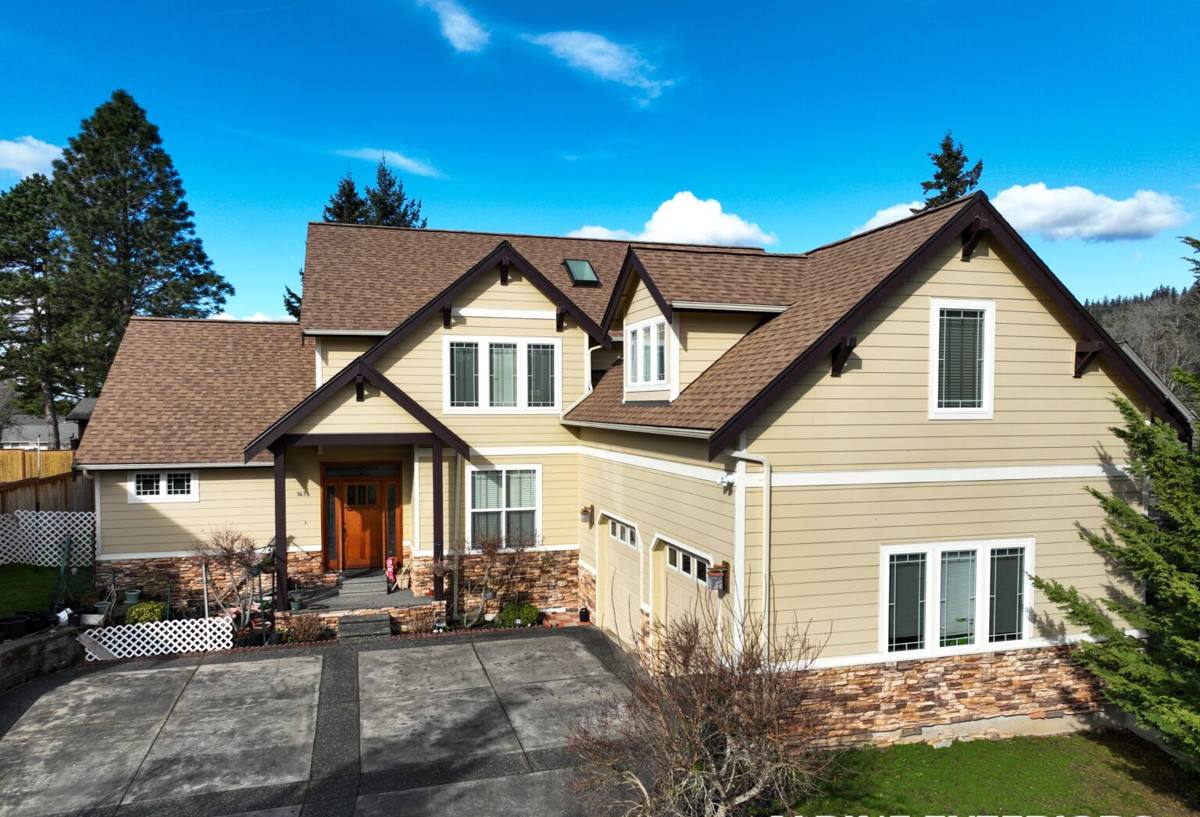
Why This Matters for Roser Park Specifically
Roser Park is one of St. Petersburg's older, established neighborhoods, and a lot of the housing stock predates modern window and moisture-barrier standards. Original wood-frame window openings in homes of this era were built to the codes and materials of their time, which means the framing around them has often seen decades of settling, moisture cycling, and prior repairs of varying quality. When we're asked to replace windows on a home like this, a retrofit install would just be trapping whatever condition already exists behind a new window.
Full-frame, new-construction replacement is usually the right call here for a few reasons:
- It lets us open the wall enough to check for rot, termite damage, or old flashing failures before they become a bigger problem
- It resets the flashing and water-management detail at the opening instead of layering a new window over an old, possibly failed one
- It's the standard approach for additions, full re-sides, or any project where the exterior wall is already open
- It gives us a clean opportunity to bring an older opening up to current wind and impact standards, not just current appearance
If a home in Roser Park is part of a recognized historic district, there can also be review requirements around visible changes to street-facing windows — sizing, sightlines, and general appearance. We work within those guidelines rather than around them, and we'll flag it up front if your project may need that kind of review before work starts.
What Pinellas County Climate Actually Demands From a Window
St. Petersburg sits on a peninsula in Pinellas County, and that location shapes what a window install here actually has to survive, not just look good doing:
- Hurricane-force wind: Windows and their surrounding framing need to resist sustained wind loads and windborne debris impact, not just a stiff breeze
- Wind-driven rain: Storms here don't just fall straight down — rain gets pushed sideways into any gap in the flashing or seal, so the water-management detail behind the trim matters as much as the glass
- Year-round UV exposure: Constant sun degrades cheap vinyl, weatherstripping, and low-grade sealants faster here than in most of the country, leading to premature cracking, yellowing, and seal failure
- Salt air: Being close to the water means airborne salt accelerates corrosion on hardware, fasteners, and metal components that aren't rated for coastal exposure
A window that's correctly rated and correctly installed handles all four of these at once. A window that's just "hurricane rated" on the label but poorly flashed will still leak in a wind-driven rain event, because the failure point usually isn't the glass — it's the gap around it.
What a Correct New-Construction Install Involves
At the Opening
Before a new window ever goes in, we remove the old unit, inspect the rough opening and surrounding framing for damage, and repair or replace anything compromised. Skipping this step is the single biggest reason window installs fail early — a beautiful new window over rotten framing is still a rotten wall.
Flashing and Sealing
Flashing gets integrated with the house wrap or weather barrier in the correct shingle-lap order (bottom, sides, then top) so water is always directed outward and down, never trapped behind the window. The nailing fin gets sealed to the sheathing, and the interior and exterior gaps get properly insulated and sealed — not just caulked over as an afterthought.
Fastening and Structural Attachment
Fasteners go through the nailing fin into solid framing at the manufacturer's specified spacing, sized to meet the wind load requirements for our zone. This is where a lot of the actual hurricane performance comes from — the glass and frame are only as strong as what's holding them to the house.
Trim and Finish
Once the window is set, flashed, and sealed, we restore exterior trim and interior finish work to match the surrounding wall. On older homes, this is where matching existing trim profiles and paint lines takes some care rather than just slapping on generic stock trim.
Impact-Rated vs. Standard Windows: What Actually Changes
| Feature | Impact-Rated Window | Standard (Non-Impact) Window |
|---|---|---|
| Glass construction | Laminated glass, stays intact when cracked | Tempered or annealed glass, can fully break out |
| Debris protection | Meets wind-borne debris testing for our wind zone | Requires separate storm shutters or panels for that protection |
| Frame and anchoring | Heavier-duty frame, engineered anchoring schedule | Lighter-duty frame, standard anchoring |
| Everyday performance | Better sound dampening, slightly better UV/heat rejection | Comparable clarity and efficiency, no added dampening |
| Upfront cost | Higher per opening | Lower per opening, but add shutter cost if you need debris protection |
Neither option is "wrong" — some homeowners already have a shutter system they trust and prefer standard glass with a lower upfront cost. Others want to eliminate the hassle of deploying shutters before every storm. We'll walk through both honestly based on your home and budget rather than pushing one option by default.
How Our Process Works
- On-site assessment: We look at your existing openings, framing condition, and what you're trying to accomplish — replacement, addition, or full re-side
- Measurement and product selection: Exact opening sizes, wind-load requirements for your specific site, and window options that fit your budget and the home's look
- Permitting: New-construction window work in Pinellas County typically requires permitting, especially for impact-rated replacements — we handle that paperwork so you don't have to chase it down
- Removal and inspection: Old windows come out, and we assess the opening before anything new goes in
- Installation: Framing repair as needed, flashing, setting the window, fastening to spec, sealing, and insulation
- Finish work: Interior and exterior trim restored to match the surrounding wall
- Final walkthrough and inspection: We confirm operation, seal quality, and sign-off before we consider the job done
What Drives the Cost
| Factor | Why It Matters |
|---|---|
| Number and size of openings | More and larger windows mean more materials and labor per project |
| Impact-rated vs. standard glass | Impact glass and heavier frames cost more per unit but reduce or eliminate shutter needs |
| Framing condition | Rot or old flashing failures found during removal add repair time before the new window can go in |
| Trim and finish complexity | Matching original trim profiles on an older home takes more time than installing generic stock trim |
| Permitting requirements | Impact-rated replacements and structural changes typically require permits and inspections |
Because every opening and every home is different, we don't quote sight-unseen. A walkthrough gets you real numbers instead of a rough guess that changes once we start.
What to Look for When Hiring for This Kind of Work
Full-frame window replacement is more invasive than a simple swap, so the contractor doing it matters more than usual. Before hiring anyone for new-construction window work:
- Ask whether they pull permits for this type of work, and confirm it in writing — unpermitted structural window work can complicate insurance and resale later
- Ask how they handle rot or framing damage discovered mid-project, and get that process in writing before work starts
- Ask what wind-load and impact rating the products meet for our specific zone, not just a generic "hurricane rated" claim
- Ask how flashing is integrated with your home's specific wall assembly, especially on older construction
- Get a written scope that specifies flashing method, fastening schedule, and finish work — not just "install windows"
Why Local Experience in Roser Park Matters
A crew that regularly works in older St. Petersburg neighborhoods already knows what to expect when they open up a wall here — the kind of framing conditions common to homes of this era, how flashing tends to have been done (or not done) in past repairs, and what any applicable historic district guidelines require for street-facing changes. That's not something you can fully account for from a generic quote; it comes from having done this specific kind of work on this specific kind of house, in this specific part of Pinellas County, more than once.
It also means we're not guessing at wind-load and code requirements for the area — we're already building to them as a matter of course, because that's what every job here requires.
Ready to Talk About Your Windows?
If you're planning new-construction window replacement, an addition, or a full re-side in Roser Park, we're happy to walk the property, look at your existing openings, and give you an honest read on what the job actually involves. Reach out for a free, no-pressure estimate using the form below.