 St. Petersburg Siding
 Why Gulfport Roofs Wear Out Faster Than You'd Expect
Gulfport sits right on Boca Ciega Bay, which means most homes here get more direct sun, more salt-laden air, and more exposure to wind-driven rain than a house ten miles inland. A roof that might last two more years in a shaded, inland neighborhood can already be failing in Gulfport because of what the coastal environment does to shingles, fasteners, flashing, and roof decking over time. If you're planning a new roof, it pays to understand what you're actually up against before you pick a material or a crew.
Salt Air and Metal Corrosion
Airborne salt from the bay settles on every exposed surface, including roofing nails, flashing, vent stacks, and drip edge. Once corrosion starts on fasteners or flashing, it doesn't announce itself — it just quietly weakens the connections holding your roof together until a storm finds the failure point. This is one of the biggest reasons material and fastener choice matters more here than it does for a roof going on an inland home.
Wind Uplift and an Aging Roof Deck
Pinellas County sees hurricane-force gusts often enough that wind uplift resistance isn't optional — it's the whole point of a correct installation. Wind doesn't just tear at shingles from the top; it gets under edges, at ridge caps, and around penetrations, and it exploits any weak point in the deck attachment underneath. Older homes in Gulfport frequently have roof decking that was never re-nailed to current code, which is exactly the kind of hidden weakness that shows up during a storm, not before one.
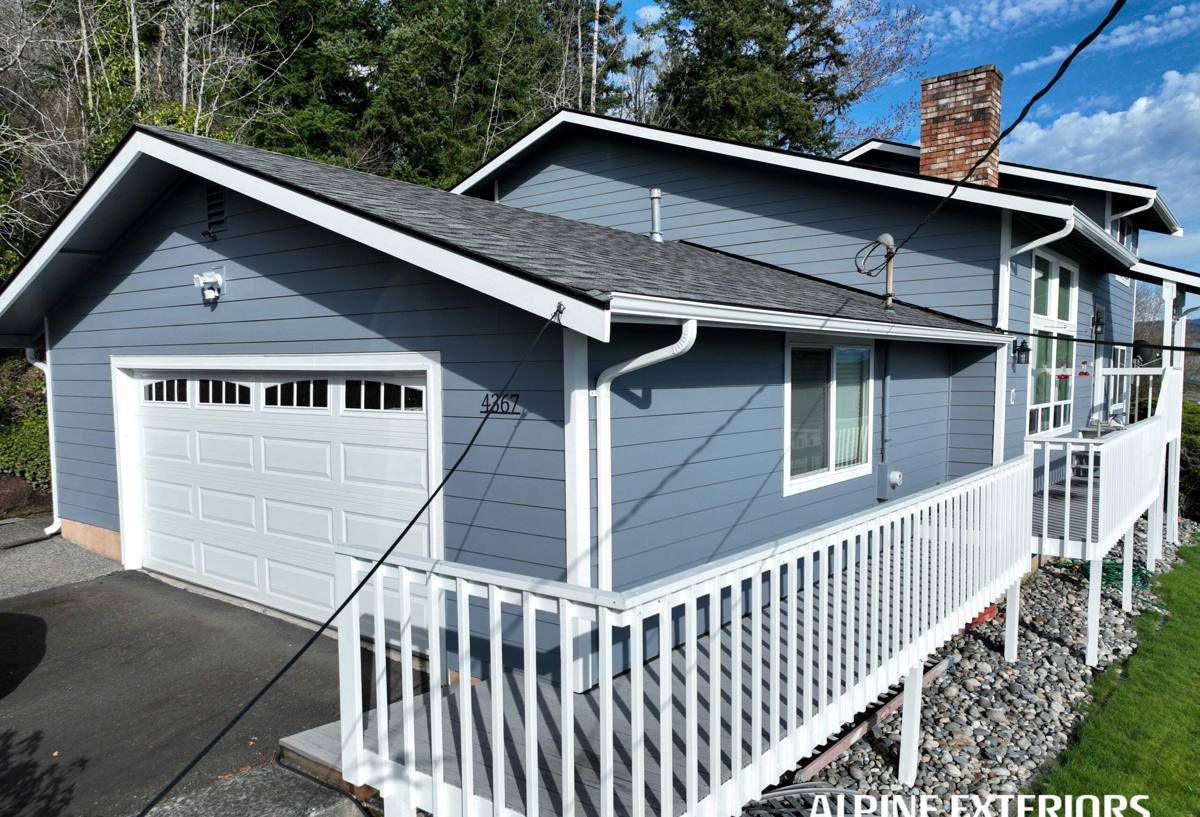
What a Correct New Roof Installation Actually Involves
"New roof" gets thrown around loosely. A correct installation for a Gulfport home is a specific sequence of steps, each one addressing a real failure mode this climate produces. Skipping or shortcutting any of them is how homeowners end up with leaks in year three instead of year twenty.
Full Tear-Off, Not an Overlay
Installing new shingles over old ones hides problems instead of fixing them — trapped moisture, soft decking, and old nail patterns all stay buried under the new layer. On a coastal roof that's already been absorbing salt air and sun for years, that's a bad trade. A proper new roof starts with a full tear-off so the deck and structure underneath can actually be inspected.
Deck Inspection and Repair
Once the old roofing is off, the decking gets checked for soft spots, delamination, and inadequate fastening. Any section that's compromised gets replaced before anything new goes down — installing a premium roofing material over a weak deck just means the whole system fails together later.
Underlayment Built for Wind-Driven Rain
Standard felt underlayment isn't enough for a bay-facing roof. A synthetic or self-adhering underlayment, with special attention at eaves, valleys, and roof-to-wall transitions, is what actually keeps water out when rain is coming in sideways during a squall or tropical system — not just falling straight down.
Flashing at Every Penetration
Chimneys, vent stacks, skylights, and wall intersections are where roofs actually leak — the open field of shingles rarely fails first. Correct flashing detail at every one of these points, tied properly into the underlayment, is what separates a roof that holds up through hurricane season from one that starts leaking after the first hard blow.
Ventilation That Matches the Attic
Florida attics run hot, and poor ventilation shortens the life of shingles from underneath while also driving up cooling costs. A correct installation includes checking intake and exhaust ventilation and correcting it if it's undersized — not just replacing what was already there.
Roofing Material Options for Gulfport Homes
There's no single "best" roofing material — the right choice depends on your budget, how long you plan to stay in the home, and how much maintenance you're willing to do. Here's how the common options actually compare for a bay-exposed property in this climate.
| Material | Wind Performance | Salt Air / Corrosion Resistance | Typical Lifespan Here | Relative Cost |
|---|---|---|---|---|
| Architectural Asphalt Shingle | Good, with proper nailing and rated shingles | Moderate — fasteners and flashing are the weak point | 15-22 years | $ |
| Metal (standing seam) | Excellent uplift resistance when installed correctly | Good with coastal-rated coatings and fasteners | 30-45+ years | $$$ |
| Concrete or Clay Tile | Very good, but individual tiles can dislodge in extreme wind | Very good — tile itself doesn't corrode | 30-50 years | $$$ |
| 3-Tab Asphalt Shingle | Lower wind rating than architectural shingles | Weakest of the group in salt air | 10-15 years | $ |
For most Gulfport homeowners, the practical decision comes down to architectural shingles for value and a straightforward warranty, or metal for homeowners planning to stay long-term and wanting to minimize future re-roofs. We'll walk through the honest trade-offs for your specific roof and budget rather than pushing one product across the board.
Florida Building Code, Permits, and Wind Mitigation
Every new roof in Pinellas County requires a permit and has to meet Florida Building Code wind-load requirements for this region, which cover things like fastening patterns, underlayment type, and edge metal attachment. This isn't paperwork for its own sake — these requirements exist because of documented storm damage patterns along the Gulf coast, and they directly affect how your roof performs in the next major wind event.
After a new roof goes on, it's worth getting a wind mitigation inspection done. Insurers in Florida offer real premium discounts for roofs that meet current wind-resistance standards, and a new roof installed to code is usually a good candidate. We handle the permitting on our installs and can point you toward getting that inspection scheduled once the roof is finished.
Our New Roof Installation Process
- Inspection and estimate — we assess the existing roof, deck condition, and any problem areas specific to your property before quoting anything.
- Material selection — we go over the honest pros and cons of each option for your home and budget, not just the one with the best margin.
- Permitting — we pull the required City and County permits before work starts.
- Full tear-off — old roofing is removed completely so the deck can be properly evaluated.
- Deck repair — any soft, delaminated, or under-fastened decking is replaced or re-secured.
- Underlayment and flashing — installed to current wind and water-intrusion standards, with extra attention at valleys, penetrations, and wall transitions.
- Roofing installation — installed to manufacturer specification and the fastening pattern required for our wind zone.
- Final inspection and cleanup — code inspection, magnetic sweep for debris, and a walkthrough with you before we consider the job done.
Why Hiring a Crew That Already Works in Gulfport Matters
A lot of roofing problems in this area come from work done by crews who mainly build inland and treat a Gulfport job like any other. A crew that regularly works waterfront and near-waterfront property in this part of Pinellas County already knows to spec corrosion-resistant fasteners without being asked, already understands what the local permitting process expects, and has seen firsthand what happens to a roof that was under-built for wind exposure. That experience shows up in details — flashing choices, fastener grade, underlayment overlap — that don't get noticed until the first real storm tests them.
There's also a practical side to hiring local: when storm season brings sudden repair needs across the area, a contractor who already works in Gulfport can respond faster than one dispatching a crew from across the county.
Signs You Need a New Roof, Not Another Repair
Not every roofing problem calls for full replacement, but a few signs usually mean patching is just delaying the inevitable — and costing more in the long run.
- Shingles that are curling, cracking, or missing granules across large sections, not just one isolated spot
- Multiple past repairs in different areas of the roof over a short period
- Visible sagging anywhere in the roofline
- Daylight visible through the roof deck from inside the attic
- Water stains on interior ceilings that keep reappearing after repairs
- A roof that's approaching or past its expected lifespan for its material
- Difficulty getting affordable insurance coverage due to roof age or condition
If your roof is showing more than one of these, a full inspection is worth doing before you spend more money chasing individual leaks.
What a New Roof Costs in Gulfport
Total cost depends on more than just square footage. The factors below tend to move the price the most on homes in this area specifically.
| Cost Factor | Why It Matters Here |
|---|---|
| Roof pitch and complexity | Steeper or more cut-up rooflines take longer to tear off and flash correctly |
| Deck condition | Older homes near the bay more often need deck repair once the old roof comes off |
| Material choice | Asphalt, metal, and tile carry very different material and labor costs |
| Fastener and flashing grade | Coastal-rated hardware costs more up front but resists salt air corrosion much longer |
| Ventilation upgrades | Correcting undersized attic ventilation adds cost but extends roof life |
| Permit and code requirements | Wind-zone fastening and underlayment standards are non-negotiable, not optional add-ons |
We'll break down these factors specifically for your roof during the estimate so you know exactly what you're paying for and why, instead of getting a lump-sum number with no explanation behind it.
If you're weighing a new roof for your Gulfport home, we're happy to come take a look, walk the roof, and give you a straightforward, no-pressure estimate — just fill out the form below to get started.