 St. Petersburg Siding
 Why St. Pete Beach Roofs Wear Out Faster Than Inland Roofs
St. Pete Beach sits on a narrow barrier island, which means every roof here is doing a harder job than a roof a few miles inland in St. Petersburg proper. The same four stresses hit year after year: hurricane-force wind gusts off the Gulf, wind-driven rain that gets pushed sideways under loose or aging materials, intense UV exposure almost every day of the year, and salt-laden air that corrodes metal fasteners, flashing, and vents faster than it would anywhere away from the coast. None of these are occasional events — they're the baseline climate this roof has to live in, every single day, not just during storm season.
That combination is why a roof that would last 25-30 years in a drier, calmer climate often needs attention sooner on the island. It's also why a "good enough" installation — one that skips proper fastening patterns, underlayment, or flashing detail — tends to show its weaknesses here first, usually at the worst possible time.
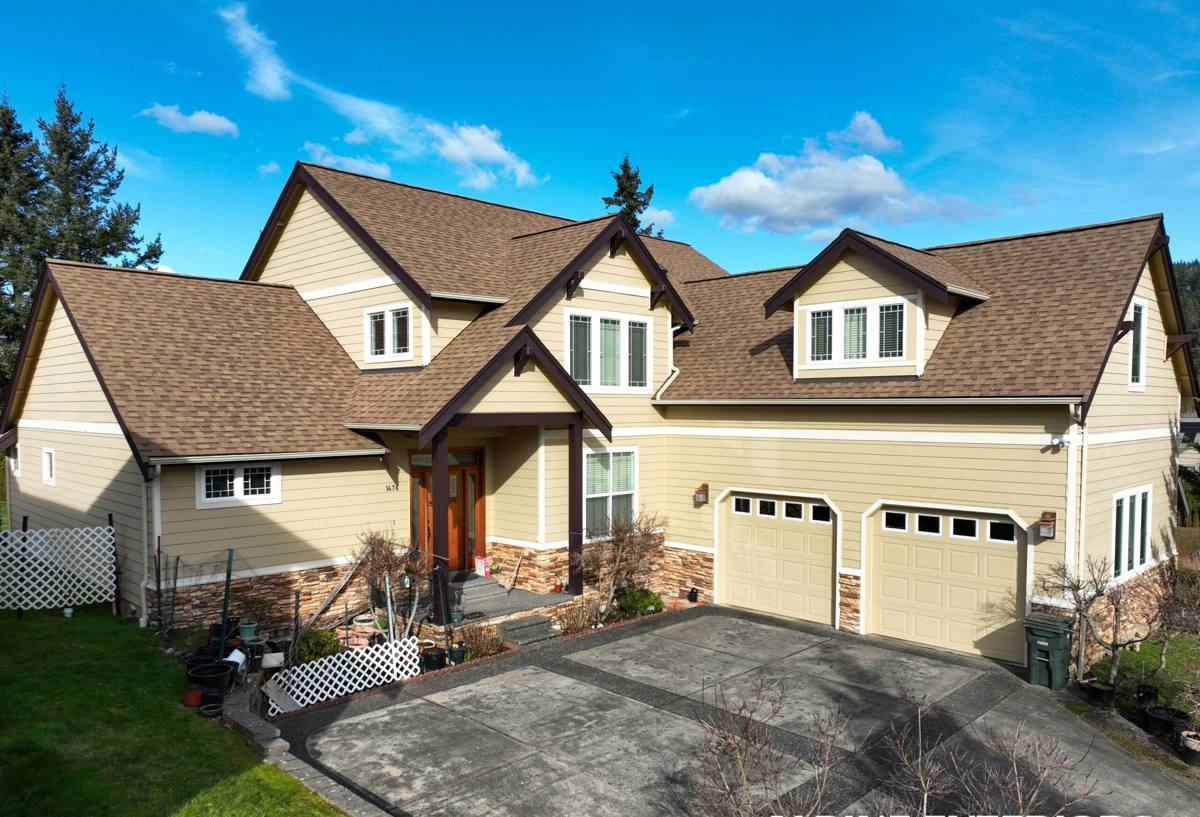
Signs a St. Pete Beach Home Needs a New Roof, Not Another Repair
Roof repairs make sense when the damage is isolated and the roof underneath is still sound. A full replacement becomes the honest recommendation when the problems are spread across the roof or point to failure below the surface. Common signs we look for on island homes include:
- Shingles that are curling, cupping, or losing their granules in patches, especially on south- and west-facing slopes that take the most sun
- Soft spots or sagging in the roof deck, which usually means moisture has gotten into the wood underneath
- Rusting, lifting, or corroded flashing around chimneys, vent pipes, and roof-wall intersections
- Interior water stains or musty smells in the attic after wind-driven rain events, even without an obvious leak point
- A roof that's already 15-20+ years old and has been through multiple storm seasons without a full inspection
- Missing or lifted shingles after a windstorm, particularly if it's happened more than once
If you're seeing more than one or two of these, it's worth having someone look at the whole roof system rather than chasing individual leaks.
What a Correct New Roof Installation Actually Involves
It's a System, Not Just Shingles
A roof that holds up in this climate is built in layers, and every layer matters. The roof deck itself has to be sound — any rotted or delaminated plywood gets replaced, not covered over. On top of that goes an underlayment rated for wind-driven rain, because in a coastal storm, water doesn't just fall straight down — it gets pushed sideways and upward under the edges of shingles or tile. Self-adhering underlayment at eaves, valleys, and penetrations is standard practice for us, not an upgrade.
Fastening and Flashing Are Where Roofs Actually Fail
Most roof failures in wind events don't start with the shingles themselves — they start with fasteners that were under-driven, under-nailed, or spaced too far apart, and flashing that wasn't sealed or lapped correctly around chimneys, skylights, and wall intersections. On a barrier island, we follow manufacturer nailing patterns and local wind-rating requirements as a floor, not a target to hit only when someone's watching.
Ventilation Protects the Roof From the Inside
A hot, poorly ventilated attic in Florida cooks shingles from underneath and traps moisture that has nowhere to go. Balanced intake and exhaust ventilation extends the life of the roofing material and helps control humidity in the attic, which matters for both the roof deck and for energy costs in a home that runs air conditioning most of the year.
Roofing Material Options for Barrier-Island Homes
There's no single "best" roofing material for every St. Pete Beach home — it depends on your home's structure, your budget, and how much salt-air exposure and direct sun the roof takes on. Here's how the common options generally compare for coastal Pinellas County use:
| Material | Wind Performance | Salt-Air Durability | Typical Lifespan |
|---|---|---|---|
| Architectural (dimensional) asphalt shingles | Good, especially with proper fastening and a rated underlayment | Good with quality granule coating | 20-30 years |
| 3-tab asphalt shingles | Lower wind resistance than architectural shingles | Fair | 15-20 years |
| Metal roofing (standing seam) | Very good when properly fastened | Strong with coated/coastal-rated panels and fasteners | 40-50+ years |
| Concrete or clay tile | Very good, heavy and wind-resistant when correctly installed | Excellent — inert to salt | 40-50+ years |
Metal and tile cost more upfront but ask less of you over time, especially in a salt-air environment where corrosion resistance matters as much as wind rating. Architectural shingles remain the most common choice because they balance upfront cost, appearance, and performance reasonably well when installed correctly. We'll walk through the real trade-offs for your specific roof rather than steering you toward whatever's easiest to install.
Our Installation Process, Step by Step
1. Inspection and Honest Assessment
We start by getting on the roof and in the attic, not just looking from the driveway. We check the deck condition, existing ventilation, flashing points, and any signs of past leaks before recommending a full replacement versus a repair.
2. Material Selection and Written Scope
We go over material options, what each involves, and give you a clear written scope of work — what's being torn off, what's being replaced, and what the underlayment and flashing plan looks like. No verbal promises that don't make it into the paperwork.
3. Permitting
Roof replacements in the City of St. Petersburg and unincorporated Pinellas County require a permit and inspection. We handle the permit application and coordinate the required inspections so the job is documented and code-compliant — which also matters later for insurance and resale.
4. Tear-Off and Deck Inspection
The old roofing comes off down to the deck, and we inspect every sheet of decking as it's exposed. Any soft, delaminated, or water-damaged plywood gets flagged and replaced before anything new goes down — installing new roofing over a compromised deck just hides the problem.
5. Underlayment, Flashing, and Ventilation Install
This is the layer that does the real work in a storm. We install wind-rated underlayment, properly lapped and sealed flashing at every penetration and transition, and balanced ventilation before the finish material goes on.
6. Roofing Installation
The finish material — shingles, metal, or tile — goes on following manufacturer specifications and local wind-fastening requirements, not a shortcut pattern.
7. Final Inspection and Cleanup
We coordinate the final municipal inspection, do a full site cleanup including a magnetic sweep for nails and debris, and walk the finished roof with you before calling the job done.
Permits, Wind Mitigation, and Insurance in Pinellas County
Because St. Pete Beach sits directly on the coast, homes here fall under Florida's High-Velocity Hurricane Zone-adjacent wind-load requirements enforced through the Florida Building Code and local permitting. A properly permitted, code-compliant roof replacement isn't just a legal requirement — it's also what most insurance carriers want to see documented before they'll issue favorable wind-mitigation credits.
After a qualifying new roof installation, it's worth having a wind mitigation inspection done and submitted to your insurance carrier. Depending on the materials, fastening method, and roof-to-wall connections used, this can lower your windstorm premium — sometimes meaningfully, given how much wind coverage costs on the island. We build roofs to meet or exceed the requirements that make those credits possible, and we provide the documentation you'll need to submit.
Why Hiring a Crew That Already Works St. Pete Beach Matters
A roofing crew that mostly works inland jobs isn't necessarily doing anything wrong — but barrier-island roofing has its own set of practical realities: tighter lot access and staging space, HOA or condo association coordination in some neighborhoods, county and city permitting specifics, and a wind-load standard that's simply higher than a few miles inland. A crew that already works this area on a regular basis isn't learning those details on your job.
We're a Pinellas County crew, and St. Pete Beach roofs are part of our regular work, not an occasional trip out to the coast. That means we already know the permitting contacts, the realistic timelines around seasonal weather windows, and what actually holds up out here versus what looks fine on paper.
What to Expect: Timeline and Disruption
Most single-family roof replacements on the island take one to a few days of active work once tear-off starts, weather permitting — metal and tile jobs generally run longer than shingle jobs. Here's what to plan for during the project:
- Expect noise and vibration throughout the day while tear-off and installation are underway
- Move vehicles out of the driveway and away from the work zone for delivery and dumpster/trailer access
- Cover or move anything fragile in the attic, since vibration can dislodge dust and debris
- Pets are usually more comfortable elsewhere during the loudest work days
- Weather can shift the schedule — we won't tear off a roof with rain in the forecast that day
- A final walk-through and cleanup sweep happens before we consider the job complete
Maintaining Your New Roof After Installation
A correctly installed roof still benefits from basic upkeep in this climate. Keep gutters and downspouts clear so wind-driven rain has somewhere to go. After any major storm, a quick visual check — or a call to us — for lifted shingles, dented flashing, or debris caught on the roof can catch small issues before they become leaks. Because salt air accelerates corrosion, metal components like flashing, vents, and fasteners are worth a closer look during routine inspections, even if the roofing material itself still looks fine.
If you're weighing repair versus replacement, or just want an honest read on where your current roof stands, we're happy to take a look. The estimate is free, there's no pressure attached to it, and you'll get a straight answer about what your roof actually needs — use the form below to get started.