 St. Petersburg Siding
 Old Northeast Homes Face a Specific Kind of Weathering
Old Northeast is one of St. Petersburg's older residential neighborhoods, with a housing stock that skews toward homes built well before modern siding materials or wind codes existed. Many of these houses have already been re-sided once or twice, sometimes with materials that weren't matched to what Pinellas County actually throws at a wall: tropical-storm and hurricane-force wind gusts, wind-driven rain that gets pushed sideways into seams and laps, intense year-round UV that breaks down pigments and coatings, and a steady dose of salt air moving in off the Gulf and Tampa Bay. None of these stresses are occasional here — they're the baseline climate, every year, for the life of the siding.
That combination is harder on exterior materials than most homeowners assume. Wind doesn't just knock siding loose in a storm; sustained coastal humidity and salt-laden air work on fasteners, seams, and finishes year-round, so the damage that shows up during a named storm is often the final failure of something that had already been weakening for years. A siding job done for Old Northeast has to be built for that whole cycle, not just for a calm afternoon.
Why Older Neighborhoods See More Siding Failures
Homes in established St. Petersburg neighborhoods often have layers of history in their walls — old furring strips, inconsistent sheathing, prior repairs, and sometimes trim details that don't match anything a big-box supplier stocks. A siding installer who doesn't slow down to actually look at what's underneath the old material is far more likely to cover up a problem than fix it. In a climate this demanding, covering up rot, poor flashing, or a compromised weather barrier doesn't just look bad later — it fails faster, because moisture and wind exploit weak points immediately rather than waiting.
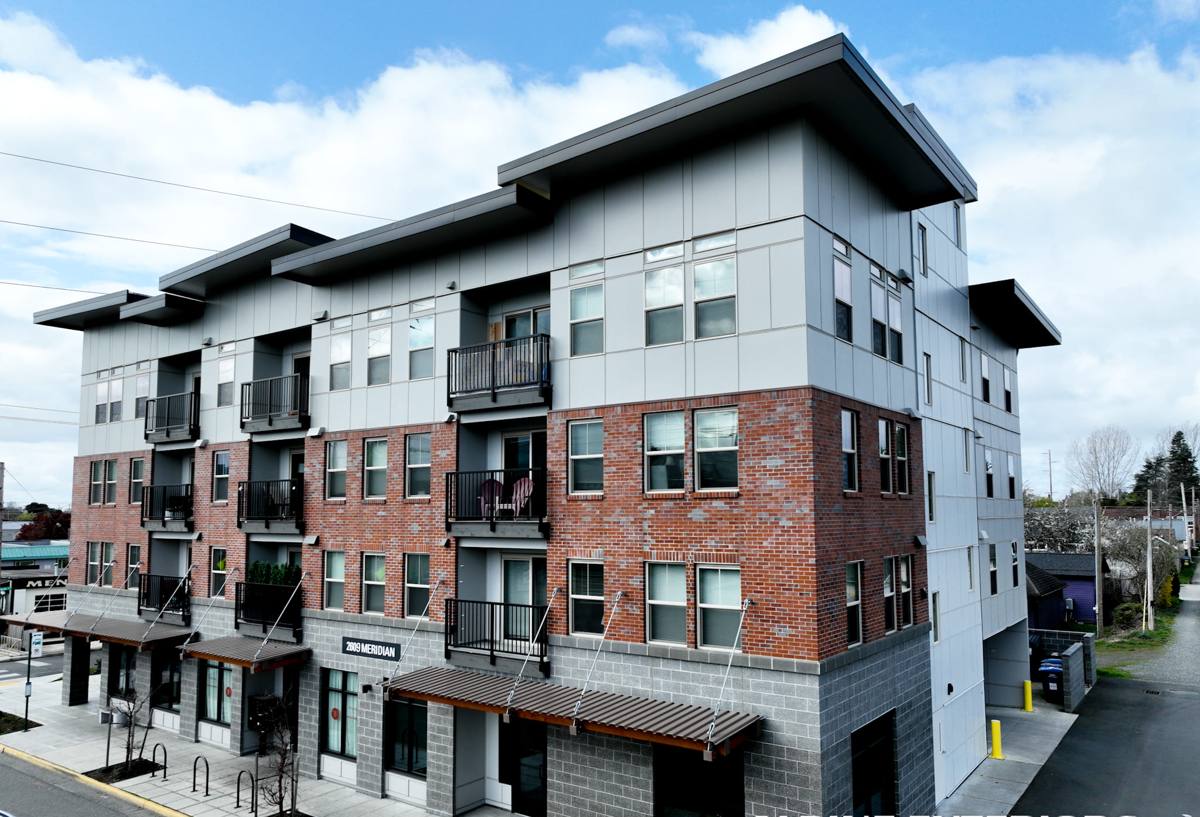
What Fiber Cement Needs to Do in This Climate
Fiber cement siding is a strong fit for the Tampa Bay area specifically because it's engineered to resist the things that damage other materials here fastest: moisture absorption, UV degradation, and physical impact from wind-borne debris. But "fiber cement" isn't one product — how it's engineered, finished, and rated for climate zones varies by manufacturer, and that's the whole reason we only install James Hardie siding on Old Northeast homes rather than treating fiber cement as a commodity.
Climate-Engineered Product Lines
James Hardie builds separate product formulations for different climate zones under its HardieZone system, rather than selling one national formula everywhere. The version engineered for the Gulf Coast is formulated to perform in hot, humid, high-moisture conditions — which is exactly the environment St. Petersburg sits in. That distinction matters more here than in a drier, more temperate part of the country, because a siding product that isn't built to shed humidity and resist moisture-driven swelling will show it in Pinellas County faster than almost anywhere else.
Factory-Applied Finish
ColorPlus finish is baked on and cured at the factory under controlled conditions, rather than field-painted after installation. In a market with this much annual UV exposure, that difference shows up directly in how long the color and finish hold up before fading, chalking, or needing a repaint. It also means color consistency across the whole house isn't dependent on weather conditions during a job-site paint day.
Non-Combustible Core
Fiber cement's core material doesn't burn, which matters for insurance conversations and for wildfire-adjacent risk in drier stretches of Florida's dry season, but it also means the siding isn't degrading the way wood-based products can when exposed to sustained heat and sun.
What a Correct Installation Actually Involves
The material is only half the equation. Fiber cement siding installed to spec and fiber cement siding installed carelessly will perform completely differently in a coastal wind and moisture environment — and the differences are mostly invisible once the job is finished, which is exactly why they get skipped by crews that are moving fast.
Tear-Off and Substrate Inspection
Before anything new goes up, the old siding comes off and the sheathing underneath gets inspected — not glanced at. Old Northeast homes with a history of prior siding jobs or roof leaks sometimes have soft sheathing, old moisture trapped behind a non-breathable barrier, or flashing that was never installed correctly around windows and doors. Any of that needs to be addressed before new siding goes on, or it gets sealed in and keeps failing underneath the new material.
Weather-Resistive Barrier and Flashing
A correctly installed weather-resistive barrier, properly lapped and taped, combined with correct flashing at every window, door, and penetration, is what actually keeps wind-driven rain out of the wall assembly. This is the layer that matters most in a market where storms push rain sideways, not straight down, and it's also the layer that's easiest for a rushed crew to shortcut because it's covered up and invisible in the finished product.
Fastening and Clearances to Manufacturer Spec
James Hardie publishes specific fastener types, spacing, and clearance requirements — including gaps at trim, foundations, and roof lines — that are calibrated for wind and moisture performance, and following them precisely (rather than approximately) is what the product's warranty is actually built on. Skipping or fudging these details is one of the most common ways a fiber cement job underperforms in high-wind coastal zones, and it's often not visible until wind or moisture finds the gap.
Joints, Caulking, and Finish Work
Butt joints, trim intersections, and penetrations need correct sealant, not just enough sealant to look finished. In a climate with this much UV and humidity cycling, the wrong sealant — or the right sealant applied too thin — breaks down and opens a path for moisture well before the siding itself would otherwise need attention.
Our Process on an Old Northeast Job
- On-site assessment of existing siding, trim, and any visible moisture or substrate issues before quoting
- Written scope covering tear-off, substrate repair (if needed), weather barrier, flashing, and the specific Hardie product and finish selected
- Tear-off and inspection of sheathing, with any soft or compromised material addressed before new siding starts
- Installation of weather-resistive barrier, flashing at all penetrations, and Hardie panels or lap siding to manufacturer clearance and fastening spec
- Trim, caulking, and finish detailing at corners, windows, doors, and roof lines
- Final walkthrough covering what was installed, the warranty coverage, and basic care going forward
Cost Factors on a Fiber Cement Job in This Area
Every quote is specific to the house, but the variables that actually move the price on an Old Northeast job tend to be the same handful of things:
| Factor | Why It Matters Here |
|---|---|
| Condition of existing sheathing | Older homes sometimes need substrate repair uncovered during tear-off, especially where prior siding trapped moisture |
| Trim and architectural detail | Bungalow-era homes often have more trim, eave, and porch detail than a modern production home, which adds labor |
| Siding profile and finish selection | Lap width, panel style, and ColorPlus color selection affect material cost and lead time |
| Home height and access | Two-story sections, porches, and tight lot lines affect scaffolding and staging time |
| Storm-related repair scope | Wind or water damage found during tear-off adds repair work not visible in the original estimate |
Maintenance in a Salt Air, High-UV Environment
One of the practical advantages of correctly installed fiber cement in this market is how little ongoing maintenance it actually needs compared to wood-based or vinyl alternatives, but "little" isn't "none." A periodic rinse to clear salt residue and organic buildup, prompt attention to any caulking that starts to crack or pull away, and keeping an eye on areas where sprinklers or gutter overflow hit the siding directly all extend the life of the installation. None of this requires repainting on any regular schedule the way wood siding does, since the ColorPlus finish is designed to hold its color for years under this kind of sun exposure — but it does mean the siding isn't a truly zero-attention material.
Why It Matters That a Crew Already Works This Neighborhood
A contractor who regularly works Old Northeast and similar St. Petersburg neighborhoods has already seen what tends to be hiding under older siding in this specific housing stock, what wind exposure looks like on a given street orientation, and what permitting and inspection actually require for the city. That familiarity shows up in fewer surprises mid-project and a more accurate quote up front, because the estimate is based on patterns the crew has actually run into locally rather than generic assumptions. It also matters for anything that touches the exterior of a home in a neighborhood with historic character — if a property falls within a designated historic area, it's worth confirming with the city whether any exterior review applies before work starts, and a local crew is used to having that conversation early rather than after materials are ordered.
What to Check Before Hiring Anyone for This Kind of Job
- Ask specifically which fiber cement products they install, and whether it's a single manufacturer or whatever's cheapest that week
- Confirm they follow manufacturer-published fastening, clearance, and flashing specs — not just "standard practice"
- Ask how they handle sheathing or moisture issues discovered during tear-off, and get that process in writing
- Get the warranty terms in writing, including what's covered on materials versus labor and workmanship
- Ask for a written scope that names the weather-resistive barrier and flashing approach, not just the visible siding product
- Confirm they're licensed and insured for exterior work in Pinellas County
Why We Only Install James Hardie
We standardized on James Hardie fiber cement because, installed correctly, it holds up to exactly the conditions Old Northeast homes deal with every year — hurricane-force wind, wind-driven rain, relentless UV, and salt air — better than the alternatives we used to install. The HardieZone engineering for humid, high-moisture regions, the factory-cured ColorPlus finish, the non-combustible core, and a warranty structure that's transferable and backed by the manufacturer all add up to a product we're comfortable standing behind on a coastal Florida home. We'd rather install one product well, to spec, every time, than offer a menu of options we know perform less consistently in this climate.
If you're weighing a siding replacement or repair in Old Northeast, we're happy to take a look at your home and walk you through what we'd actually recommend — no pressure, no obligation. Request a free estimate below and we'll go from there.