 St. Petersburg Siding
 Siding in Old Northeast Has to Answer to the Neighborhood It's In
Old Northeast is one of the older, more architecturally distinct pockets of St. Petersburg — a mix of bungalows, Mediterranean Revival homes, and early-to-mid-century construction, many sitting close to Tampa Bay with mature tree canopy overhead and brick-paved streets underfoot. That combination of age, proximity to open water, and architectural character means a siding job here isn't a generic swap-and-go. The substrate underneath is often original wood sheathing, the trim details matter to how the house reads from the street, and the exposure to salt-laden air off the bay is more constant than it is even a few miles inland. Installing siding correctly in this neighborhood means respecting all three of those things at once.
This page covers siding installation specifically for Old Northeast homeowners in St. Petersburg, Pinellas County — what the local climate actually does to exterior walls here, what a correct installation involves on a home of this age and style, and why we've built a crew that works this part of the city regularly instead of treating it like any other stop on the route.
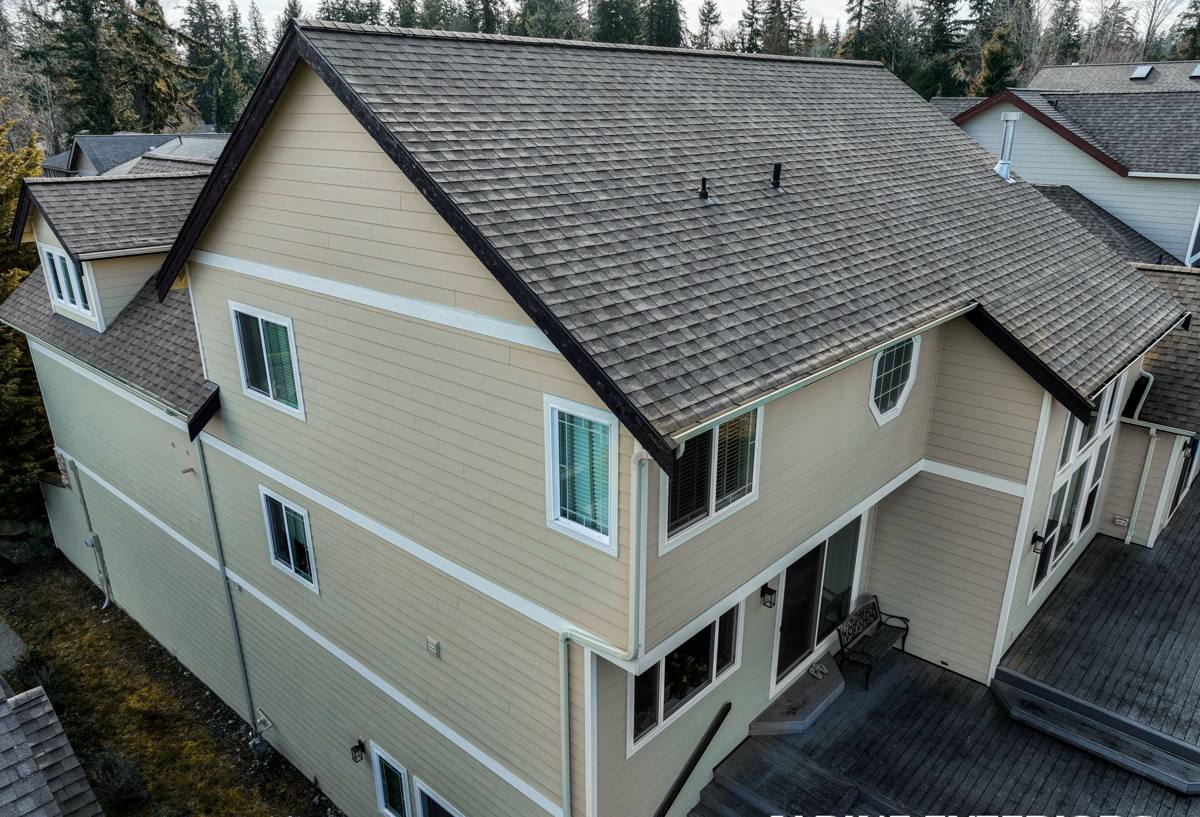
What Pinellas County Weather Does to Old Northeast Homes
St. Petersburg sits on a peninsula, and Old Northeast sits close to the water on it. That's part of the neighborhood's appeal, and it's also exactly why siding here takes more abuse than siding fifteen or twenty miles inland.
Hurricane-Force Wind
Pinellas County sees tropical systems and straight-line wind events that put direct lateral and uplift pressure on exterior wall assemblies. Siding that isn't fastened to spec — wrong nail pattern, wrong penetration depth, panels hung without proper clearance and flashing — is the siding that comes off first when wind loads spike. On older homes with irregular wall framing, getting fastening right takes more attention than it does on a simple modern rectangle.
Year-Round, High-Intensity UV
Florida sun doesn't take an off-season. UV exposure this consistent breaks down unstabilized paint films, dries out wood fiber, and accelerates fading on lower-quality finishes. A siding product and finish system that wasn't engineered for this level of UV load will visibly chalk, fade, or crack years before it should.
Wind-Driven Rain
Wind and rain rarely arrive separately here — storms push moisture sideways into wall assemblies, not just down. That means water finds gaps that would never be a problem in a calmer climate: unsealed seams, undersized clearances, poorly lapped house wrap. The installation details that don't matter much in a dry inland climate matter a great deal in Old Northeast.
Salt Air
Being close to Tampa Bay means an ongoing low-level exposure to salt in the air, which corrodes unprotected metal fasteners and trim over time and works against any siding material that isn't dimensionally stable and rot-resistant. This is a slower, quieter threat than a hurricane, but it's constant, and it's part of why materials and fastener choices matter more here than in a landlocked neighborhood.
What a Correct Siding Job Looks Like on an Old Northeast Home
Because so many homes in this neighborhood were built decades before modern siding products existed, a correct installation starts with the wall itself, not the new siding.
Substrate Assessment First
Before anything goes up, the existing wall sheathing and framing need to be checked for rot, moisture damage, or settling — common on older homes, especially where past repairs or additions were done inconsistently. Any decayed wood gets addressed before new siding goes over it. Installing new material over a compromised substrate just hides a problem that will resurface, usually as a bigger one.
Weather-Resistive Barrier and Flashing
A correctly lapped house wrap or building paper, with properly integrated flashing at every window, door, and penetration, is what actually keeps wind-driven rain out of the wall cavity. The siding itself is the visible layer; the barrier behind it is what does most of the real work in a storm.
Fastening to Manufacturer and Wind-Zone Spec
Nail type, spacing, and penetration depth all change based on wind zone, and Pinellas County's coastal exposure calls for the higher end of those specs. This isn't a place to eyeball it — it's the difference between siding that rides out a named storm and siding that peels off in the first serious gust.
Clearances and Detailing
Proper ground clearance, kick-out flashing at roof-to-wall intersections, and correct caulking (only where the manufacturer calls for it, not as a substitute for good flashing) all matter more in a wet, humid climate than in a dry one. On older homes with more trim detail and varied rooflines, there are simply more of these transition points to get right.
Matching Architectural Character
Old Northeast homes often carry trim profiles, shadow lines, and lap reveals that are part of what makes the house look the way it does. Replacing siding without matching those proportions changes the character of the home — not just the material. A crew that's worked bungalows and Mediterranean Revival homes in this neighborhood before knows how to keep that detailing intact.
Why This Company Installs Only James Hardie Fiber Cement
We made a deliberate decision to install one siding system — James Hardie fiber cement — and not offer vinyl, LP SmartSide, or other fiber cement alternatives. That's not a marketing position; it's a practical one, built around what actually holds up in this exposure.
Fiber cement is non-combustible, doesn't expand and contract with heat the way vinyl does, and doesn't carry the moisture sensitivity that engineered wood products do at cut edges and seams. James Hardie's HZ5 product line is specifically engineered for high-humidity, storm-prone climates like ours, and the ColorPlus factory-applied finish is baked on and UV-cured rather than field-painted, which matters enormously under Florida's UV load. It comes with a strong, transferable warranty when installed to spec — which is exactly why installation quality, not just product choice, is the other half of this equation.
We don't say this to knock every other product on the market outright — vinyl and engineered wood siding both have legitimate uses elsewhere. We simply don't think they hold up to Pinellas County's wind, UV, rain, and salt exposure as well as Hardie does, and we'd rather install one system well than several systems adequately.
Our Installation Process
- On-site walkthrough and substrate check. We assess the existing wall condition, trim detail, and any problem areas before quoting anything.
- Written scope and product selection. Plank profile, reveal, and ColorPlus color are chosen to fit the home's existing character or the look you're going for.
- Removal and substrate repair. Old siding comes off, damaged sheathing or framing gets replaced, and the wall is inspected before anything new goes on.
- Weather barrier and flashing installation. House wrap, window and door flashing, and kick-out flashing go in per manufacturer detail and Florida Building Code.
- Hardie installation to wind-zone fastening spec. Panels and trim are hung with correct clearances, fastener spacing, and penetration for our coastal wind exposure.
- Final detailing and walk-through. Caulking only where specified, touch-up painting where needed, and a final review with the homeowner before we call it done.
Comparing Siding Options for This Exposure
Homeowners in Old Northeast sometimes ask why we won't quote vinyl or engineered wood alongside Hardie. Here's the honest comparison, focused on what matters in this specific climate — not a general "best siding" ranking.
| Factor | Vinyl | Engineered Wood | James Hardie Fiber Cement |
|---|---|---|---|
| High-wind fastening tolerance | Moderate — can deform or blow off in gusts if over-driven or under-fastened | Moderate — good when installed dry and to spec | Engineered HZ5 line rated for high-wind coastal zones |
| UV / fade resistance | Fades and can become brittle over years of intense sun | Field-applied paint fades faster than factory finish | Factory ColorPlus finish is UV-cured, holds color longer |
| Moisture / rot risk | Low rot risk but can trap moisture behind it if installed poorly | Vulnerable at cut edges and seams if moisture gets in | Fiber cement doesn't rot; moisture management is about flashing detail, not the material itself |
| Fire performance | Combustible | Combustible | Non-combustible |
| Salt air durability | Generally stable but fasteners/trim can corrode | Generally stable but coating wears faster near salt exposure | Stable; corrosion-resistant fasteners specified for coastal use |
None of this means the alternatives are bad products in every setting — it's why, for a bay-adjacent, storm-exposed neighborhood like Old Northeast, we standardized on the one system built for this exact combination of stresses.
What to Ask Any Siding Contractor Before You Hire
- Are you licensed and insured to do exterior work in Pinellas County, and can you show proof?
- Will you inspect and document the substrate condition before quoting, not just measure and go?
- What fastening schedule will you use, and is it rated for our wind zone?
- Who installs the flashing and house wrap — your crew, or a sub you don't directly manage?
- Is the manufacturer's warranty transferable if you sell the home?
- Have you worked on homes with this architectural style before, and can you match existing trim detail?
Why It Matters That We Already Work Old Northeast
A crew that's installed siding on Old Northeast homes before isn't guessing at what they'll find when they pull off the old material. They already know that older wall framing here isn't always perfectly square, that trim details vary block to block, and that some properties in the area carry additional considerations around exterior changes given the neighborhood's historic character — which can mean more coordination before work starts, not less. Knowing that going in, instead of discovering it mid-project, keeps the job on schedule and keeps the finished result looking like it belongs on the house.
There's also a simple logistics benefit: a crew that regularly works this part of St. Petersburg understands the tighter lots, mature tree cover, and on-street parking realities that affect how a job gets staged and how debris gets managed — none of which is complicated, but all of which goes smoother with local familiarity.
Caring for Your Siding After Installation
Correctly installed Hardie siding is low-maintenance, not zero-maintenance. A yearly rinse with a garden hose to clear salt residue and airborne debris, a visual check of caulked joints and flashing after major storms, and prompt attention to any impact damage from yard debris or storm activity will keep the system performing the way it's designed to. This is a lighter maintenance load than wood ever carries and avoids the long-term issues that come with trapped moisture behind poorly maintained vinyl — but it's not something to ignore for a decade and expect the same result.
Ready to Talk About Your Home
If you're weighing a siding replacement on an Old Northeast home, we're happy to come take a look, walk the exterior with you, and give you a straight answer on condition, scope, and cost — no pressure, no upsell script. Fill out the form below for a free estimate.