 St. Petersburg Siding
 Roof Repair Built for a Waterfront Neighborhood
Coquina Key sits on a peninsula surrounded by canals and open water, which makes it one of the more exposed residential pockets of St. Petersburg. That location is part of what makes the neighborhood desirable, but it also means roofs here take a harder beating than roofs a few miles inland. Salt-laden air moves off the water and settles on every exposed surface, wind has a clear run at the house with little tree or building buffer in some stretches, and afternoon storms rolling in off Tampa Bay tend to hit this area with more direct force. A roof repair here isn't just patch-and-go work — it has to account for corrosion, wind uplift, and moisture intrusion all at once.
We work throughout St. Petersburg and Pinellas County, and Coquina Key is one of the areas where we see the clearest pattern: roofs that look fine from the street but have real trouble underneath, because the damage starts at fasteners, flashing, and underlayment before it ever shows up as a visible leak.
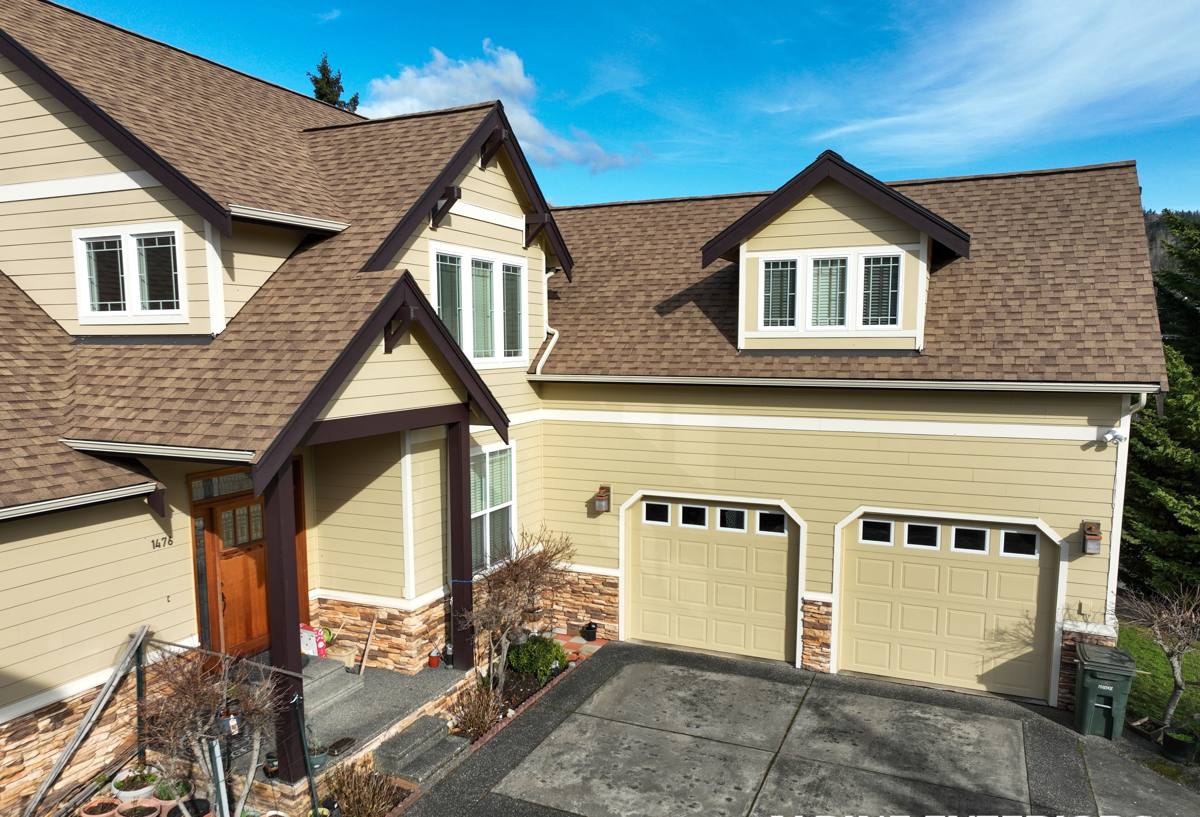
What Makes This Area Tough on Roofs
Salt Air and Metal Corrosion
Every roof has metal components — nails, screws, flashing, vent boots, drip edge. On a canal-front or near-water property, that metal corrodes faster than it would inland. Once a fastener rusts and loses its grip, the shingle or panel it's holding down becomes vulnerable to wind. Once flashing corrodes, water finds the seam it was supposed to seal.
Wind-Driven Rain
A storm doesn't need hurricane-strength winds to cause a leak. Sustained wind pushes rain sideways and upward under shingle edges, around vent penetrations, and along roof-to-wall transitions — areas that shed water fine in a calm rain but fail under lateral pressure. This is especially true on homes with lower-pitch roof sections, which are common in the ranch-style construction found throughout this part of St. Petersburg.
UV Exposure
Florida sun is intense nearly year-round, and there's little natural shading on many Coquina Key lots close to the water. UV breaks down the oils in asphalt shingles and dries out sealants, making both brittle years before they'd wear out in a milder climate.
Older Roof Systems
Many homes in this part of St. Petersburg were built in the 1960s and 70s, and their roofs — even if reroofed since — often carry older-style flashing details, transition points, and penetrations that weren't designed to today's wind and water standards. Repairing these correctly means understanding how the original system was built, not just matching what's on top.
Common Repair Calls We See in Coquina Key
- Lifted or missing shingles along roof edges and ridges after wind events
- Rusted or failing flashing around chimneys, wall transitions, and skylights
- Cracked or dried-out pipe boots letting water track down into the attic
- Soft spots or staining on ceilings below low-slope roof sections
- Granule loss and brittle shingles from sustained sun exposure
- Corroded fasteners on metal roof panels, especially near roof edges
- Debris and standing water pooling on flat or built-up roof sections
What a Correct Roof Repair Actually Involves
A repair that just covers the visible symptom tends to fail again within a season or two, especially in this environment. A repair done right starts with finding the actual entry point, not just the stain it caused — water can travel several feet from where it enters to where it shows up on a ceiling.
That means:
- Physically inspecting the roof deck and underlayment around the affected area, not just the surface layer
- Checking that flashing is properly lapped and sealed, not just caulked over
- Replacing corroded fasteners with the correct gauge and material for coastal exposure, not just the nearest match
- Confirming the repair ties into the existing roof system correctly so water sheds the way it's designed to
- Checking adjacent areas for early-stage wear, since damage in one spot often signals the same conditions nearby
We also check attic ventilation while we're up there. Poor ventilation traps heat and moisture, which accelerates shingle aging from underneath — a problem that's easy to miss if you're only looking at the roof from the outside.
Our Roof Repair Process
1. Inspection and Diagnosis
We start by identifying the actual source of the problem, both from the roof surface and, where relevant, from inside the attic. We document what we find so you know exactly what's being repaired and why.
2. Honest Assessment
We tell you plainly whether the issue is a contained repair or a sign of broader wear that's likely to keep resurfacing. Coastal exposure means some roofs are past the point where repair makes financial sense — we'll say so if that's the case, but we won't push replacement when a solid repair will hold.
3. The Repair
We remove and replace only the compromised materials, matching shingle type, color, and profile as closely as possible so the repair blends in rather than standing out as a patch. Flashing and fasteners are replaced with materials suited to salt-air exposure.
4. Sealing and Water Testing
Critical transition points get sealed and, where practical, checked with a water test before we consider the job finished. We're not guessing that a repair will hold — we confirm it.
5. Cleanup and Walkthrough
We clear the property of old materials and debris and walk you through what was done, what to watch for, and any maintenance recommendations specific to your roof's age and condition.
Repair vs. Replacement: How We Make the Call
| Factor | Leans Toward Repair | Leans Toward Replacement |
|---|---|---|
| Age of roof | Under 15 years | Nearing or past expected lifespan for the material |
| Extent of damage | Localized to one area or system | Multiple areas showing wear, or granule loss across the field |
| Underlying deck condition | Solid, no rot or soft spots | Soft decking or repeated water intrusion in the same area |
| Fastener/flashing condition | Isolated corrosion | Widespread corrosion consistent with age and salt exposure |
| Repair history | First or second repair in this area | Same spot has needed repair multiple times |
None of these factors alone makes the decision — we weigh them together and explain our reasoning so you can make an informed call rather than taking our word for it.
Materials We Use and Why
For repairs in a salt-air environment, we favor corrosion-resistant fasteners and flashing over standard-grade materials, even when it costs a little more upfront. A repair is only as durable as its weakest component, and on a roof exposed to this much moving air off the water, that's almost always the metal, not the shingle. We match shingle repairs to the existing roof as closely as the manufacturer's current lineup allows, understanding that exact color matches aren't always possible on an older roof that's weathered over time — we'll tell you honestly what to expect there rather than promise a seamless blend we can't deliver.
Checklist: Signs Your Coquina Key Roof Needs Attention
- Ceiling stains or soft spots, even small ones, especially after a windy storm
- Shingles that look curled, cracked, or are missing granules in patches
- Visible rust streaking near flashing, vents, or metal roof panels
- Daylight visible through the attic roof deck
- Higher-than-usual cooling bills, which can point to attic moisture or ventilation issues
- Debris buildup or standing water on any low-slope roof section
- Loose or lifted shingles along ridges, edges, or valleys
- It's been more than a year since your last professional roof check
Why It Matters to Hire a Crew That Already Works This Neighborhood
A roofer unfamiliar with Coquina Key might treat a repair the same way they would anywhere else in Pinellas County — matching materials and technique to a generic coastal Florida standard. That's not wrong, exactly, but it misses details specific to this stretch of St. Petersburg: the amount of direct water exposure on canal-facing sides of a home, how quickly corrosion sets in this close to open water, and the construction patterns common to homes built in this part of the city.
Working this neighborhood regularly also means we can usually get to a repair faster after a storm, when timing matters most for preventing a small leak from becoming water damage inside the home. And because we're local, if a repair doesn't hold the way it should, we're not far away — that accountability shapes how carefully we do the work the first time.
Maintenance Between Repairs
A repair holds longer when it's not fighting the same conditions unassisted. A few habits make a real difference for homes in this area: keep gutters clear so water isn't backing up under roof edges, trim back any overhanging vegetation that holds moisture against the roof surface, and have the roof looked at after any named storm or sustained high-wind event, even if nothing looks obviously wrong from the ground. Small issues caught early are inexpensive to fix. The same issues left through a few more storm seasons rarely stay small.
If you're seeing signs of roof trouble on a Coquina Key home, or just want an honest read on where your roof stands, we're glad to take a look. Reach out for a free, no-pressure estimate using the form below.