 St. Petersburg Siding
 Roof Repair in Gulfport: A Different Set of Demands
Gulfport sits right on Boca Ciega Bay, and that waterfront position is part of what makes it such an appealing place to live — and part of what wears a roof out faster than it would inland. Between the salt-laden air coming off the water, the punishing Florida sun, and the wind-driven rain and occasional hurricane-force gusts that roll through the Tampa Bay area, roofs here take a beating from every direction, every season. A roof repair that holds up in Gulfport has to account for all of it, not just patch the spot that's leaking.
We work on homes throughout St. Petersburg and Pinellas County, and Gulfport's older bungalows, Florida cottages, and mid-century homes each bring their own quirks — low-slope additions, mixed roofing materials from past updates, and decades of sun exposure on original decking. Getting a repair right here means understanding what's actually happening under the surface, not just what's visible from the ground.
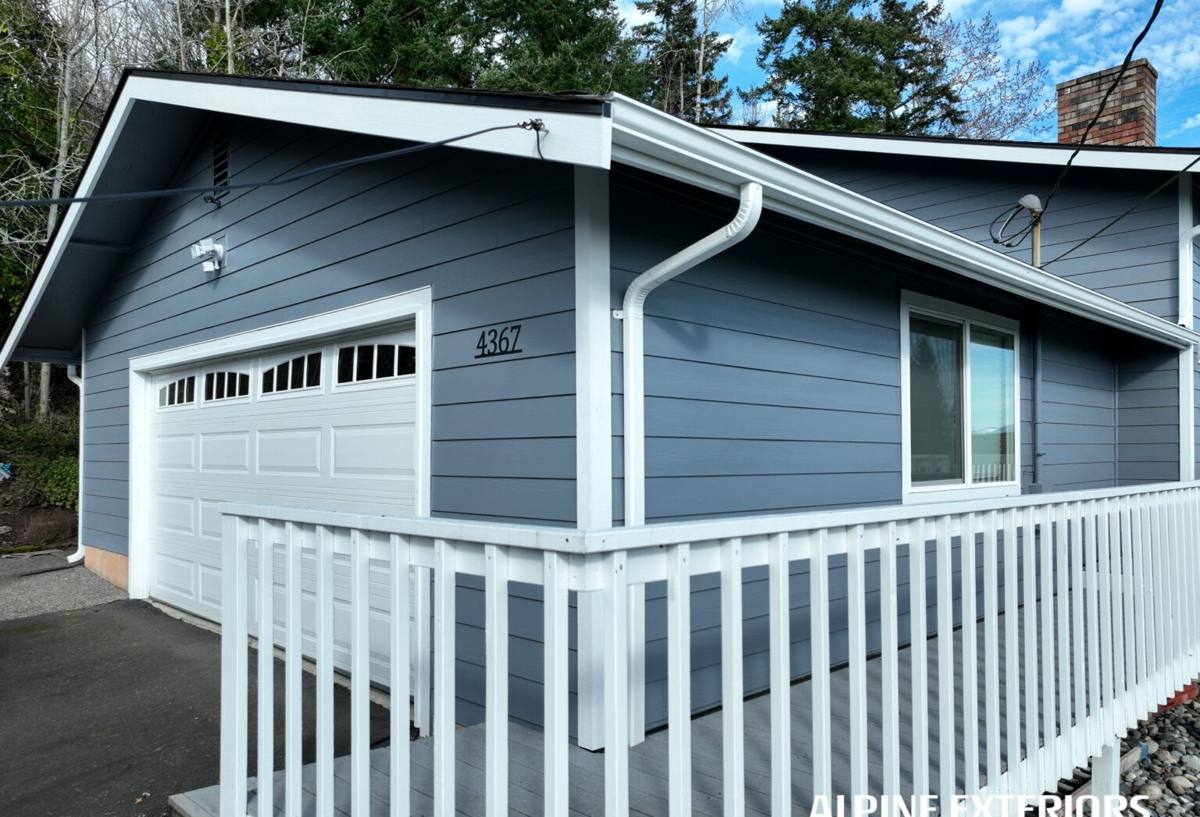
What the Climate Actually Does to a Gulfport Roof
UV and Heat
Florida sun is relentless, and it doesn't take a break in the winter. Asphalt shingle granules break down under year-round UV exposure, and the asphalt itself dries out and becomes brittle over time. On flat or low-slope sections common on older Gulfport additions, that same UV exposure degrades membrane materials, leading to cracking and pinholes long before the rest of the roof shows its age.
Salt Air
Being close to the bay means airborne salt settles on everything, including your roof. Salt accelerates corrosion on any exposed metal — flashing, fasteners, drip edge, vent stacks, and gutter hardware. A fastener that would last decades inland can corrode and back out years sooner this close to the water, and once flashing starts to pit and thin, it stops doing its job of keeping water out at the joints.
Wind-Driven Rain and Hurricane-Force Wind
Most of the leaks we get called out for in Gulfport aren't from rain falling straight down — they're from wind driving rain sideways and up under shingles, tile, or flashing that's lost its seal. Add in the wind loads from tropical storms and hurricanes that pass through the Gulf and Tampa Bay area most years, and you get lifted shingle tabs, cracked or slipped tiles, and stressed flashing at every roof-to-wall and roof-to-roof transition — even when the roof looks fine from the street.
Common Roof Problems We See in Gulfport Homes
- Lifted or missing shingle tabs along ridges, hips, and rake edges where wind uplift hits hardest
- Corroded or separated flashing around chimneys, skylights, roof-to-wall junctions, and old vent penetrations
- Cracked or slipped tiles on the tile roofs common in some Gulfport neighborhoods, usually from foot traffic or wind, not age alone
- Soft or delaminated decking under sections that have taken on water slowly over time, often discovered only once a repair opens the roof up
- Failing pipe boot and vent seals, which dry out and crack in the sun years before the roofing material around them does
- Ponding and membrane cracking on flat or low-slope porch and addition roofs, a common feature on older Gulfport homes
What a Correct Roof Repair Actually Involves
A roof repair done right isn't just swapping out the shingles or tiles that look damaged. It starts with figuring out why that section failed in the first place — otherwise, you're paying to fix the same spot again in a year or two.
Diagnosis Before Repair
We trace leaks back to their actual entry point, which is often several feet from where the water stain shows up inside. Water travels along decking and framing before it drips, so a repair based only on the interior stain location can miss the real problem entirely.
Matching the Existing System
Roofing materials age and fade, and a patch that doesn't match the surrounding shingles or tile — in color, profile, or even manufacturer lot — stands out and can also create a weak transition point where two different materials meet. We source materials that blend with what's already on the roof whenever it's available, and explain the trade-offs clearly when an exact match isn't possible.
Flashing and Fastening Done to Code
Florida's building code has specific wind-uplift and fastening requirements, and Pinellas County enforces them closely given the storm exposure here. A proper repair replaces corroded fasteners and flashing with new material rated for the application, not just cosmetic patches over the old metal.
Sealing for the Next Storm, Not Just This Leak
Because wind-driven rain is the main threat here, we pay particular attention to the seals and laps that keep water out under wind pressure, not just gravity. That includes underlayment condition, proper shingle or tile overlap, and flashing that's mechanically fastened and sealed, not just caulked.
Our Roof Repair Process for Gulfport Homes
- Inspection. We get on the roof (or use a camera where access is limited) and check the full roof system, not just the area you called about — related problems often hide nearby.
- Honest diagnosis. We tell you what's actually wrong, what caused it, and whether it's an isolated repair or a sign of broader wear that's worth planning for.
- Written estimate. You get a clear scope and price before any work starts — no surprise add-ons once the roof is opened up.
- Repair. We replace what's damaged, correct the underlying cause, and match materials as closely as possible to the existing roof.
- Cleanup and check. Nails, debris, and old material get cleared from the yard and gutters, and we do a final check of the repair before we call it done.
Repair or Replace? Honest Factors to Weigh
Not every roof problem needs a full replacement, and not every leak can be permanently solved with a patch. These are the factors that actually drive that decision:
| Factor | Leans Toward Repair | Leans Toward Replacement |
|---|---|---|
| Roof age | Under 10-12 years, or newer material | Approaching or past its expected service life |
| Extent of damage | Isolated to one section or flashing point | Multiple areas showing wear, or repeat leaks in different spots |
| Decking condition | Solid, dry decking under the damaged area | Soft, delaminated, or water-stained decking found during inspection |
| Material availability | Matching shingles or tile still available | Discontinued material that can't be matched |
| Insurance and wind mitigation | Repair keeps existing wind mitigation credits intact | Older roof may not qualify for current wind mitigation discounts |
Permits, Insurance, and Wind Mitigation in Pinellas County
Depending on the scope, roof repairs in Pinellas County can require a permit, and inspectors expect the work to meet current wind-uplift and fastening standards, not just match what was there before. Skipping a permit on a repair that needs one can create problems later, whether it's at resale or when an insurance adjuster asks for documentation after a storm.
Insurance is its own factor here. Many Gulfport homeowners carry a wind mitigation inspection that affects their premium, and that inspection is tied to specific roof attributes — things like roof-to-wall connections, roof deck attachment, and the presence of a secondary water barrier. A repair that disturbs those areas should be done in a way that keeps your existing wind mitigation credit intact, or at least doesn't jeopardize it without you knowing about it. We document what we replace and how, so you have a paper trail if your insurer ever asks.
Roofing Materials on Gulfport Homes
What's already on your roof affects how it should be repaired. Here's how the common options found on Gulfport homes hold up to the local climate:
| Material | How It Handles Gulfport's Climate | Repair Considerations |
|---|---|---|
| Architectural asphalt shingle | Good wind rating when properly fastened; UV wears granules over time | Widely available for matching; straightforward tab and flashing repairs |
| Concrete or clay tile | Very durable against sun and salt; individual tiles can crack or slip in wind | Broken tiles are usually replaceable without disturbing the whole field, but walking the roof requires care |
| Metal panel | Excellent wind and UV performance; needs corrosion-resistant fasteners near the water | Fastener and seam repairs must use compatible, corrosion-rated hardware |
| Flat/low-slope membrane | Common on additions and porches; UV and ponding are the main enemies | Patches must be compatible with the existing membrane type and properly adhered |
Signs You Need a Roof Repair Now, Not Later
- A brown or yellow stain spreading across a ceiling or wall, especially after wind-driven rain
- Shingle tabs or tiles you can see are missing, cracked, or out of place from the ground
- Granules collecting in gutters or at downspouts in larger amounts than usual
- Daylight visible through the attic decking or soffit vents
- Rust streaks below flashing, vent stacks, or metal roof panels
- A musty smell in the attic or upper rooms that wasn't there before
- Any storm damage after high winds, even if you can't see obvious missing material
Why a Crew That Already Works Gulfport Matters
Roof repair isn't just about the materials — it's about knowing how this specific area behaves. A crew that regularly works Gulfport and the surrounding St. Petersburg neighborhoods already knows which flashing details tend to fail first this close to the bay, what Pinellas County's permitting and inspection process requires, and how to document a repair properly for wind mitigation and insurance purposes. That familiarity means fewer surprises, faster accurate diagnosis, and repairs built for the conditions your roof actually faces rather than a generic approach.
Local presence also matters after a storm. When wind-driven rain finds a weak spot, waiting weeks for a crew from outside the area isn't a realistic option — a leak left open invites decking damage, mold, and a much bigger repair than the one you started with.
If you're dealing with a leak, storm damage, or a roof that's just showing its age, we're happy to take a look and give you a straight answer about what it needs. Reach out for a free, no-pressure estimate using the form below.