 St. Petersburg Siding
 Historic Kenwood is one of St. Petersburg's older residential neighborhoods, built up mostly in the early-to-mid 20th century with the kind of bungalow and frame-vernacular homes that give the area its character. That age is part of the charm, but it also means the roofs over these homes have usually been repaired, patched, and re-covered more than once, often by different contractors working to different standards. Add in what Pinellas County's coastal climate does to a roof year after year — hurricane-force wind events, intense UV exposure nearly every month of the year, wind-driven rain, and salt air drifting in off Tampa Bay — and roof repair on a Historic Kenwood home takes a different level of attention than the same job on a newer roof across town. This page covers what these homes actually need from a roof repair, what a correct job looks like, and how our process works from first inspection to final walk-through.
Why Historic Kenwood Roofs Wear the Way They Do
A handful of conditions specific to this part of St. Petersburg drive most of the repair calls we get in the neighborhood, and they tend to stack on top of each other rather than act one at a time.
Hurricane-Force Wind
Pinellas County sits in an active hurricane corridor, and even a storm that doesn't make a direct hit can put sustained high winds and gusts across a roof for hours. On an older home, that load lands on framing, decking, and flashing details that were often built to a much lower wind standard than current code requires. Loose or lifted shingle tabs, pulled fasteners, and flashing that's worked its way free are the most common wind-related repair calls we see here.
Year-Round UV Exposure
Florida sun is intense in every season, not just summer, and a roof in this climate spends more of the year under strong UV than most parts of the country ever see. UV breaks down asphalt shingle oils, dries out sealants, and accelerates the aging of underlayment that's already decades old on many Kenwood roofs. Repairs that ignore sun-damaged material nearby tend to fail again quickly, because the surrounding roofing is often only marginally better than what just failed.
Wind-Driven Rain
Tropical downpours and squall lines in this area rarely fall straight down. Wind pushes rain sideways into laps, valleys, and any gap in flashing that a calmer rain would never find. On an older roof with decades of prior patch work, wind-driven rain has a way of finding the one seam that was never properly sealed, which is why a leak often shows up somewhere other than where the actual damage started.
Salt Air
St. Petersburg's proximity to Tampa Bay and the Gulf means the air here carries more salt than it does further inland. Salt accelerates corrosion on fasteners, flashing, and any exposed metal on a roof. On an older Historic Kenwood home, it's common to find original or older-generation fasteners and flashing that were never rated for this level of salt exposure, and that's frequently the actual root cause behind a leak that looks, at first glance, like a shingle problem.
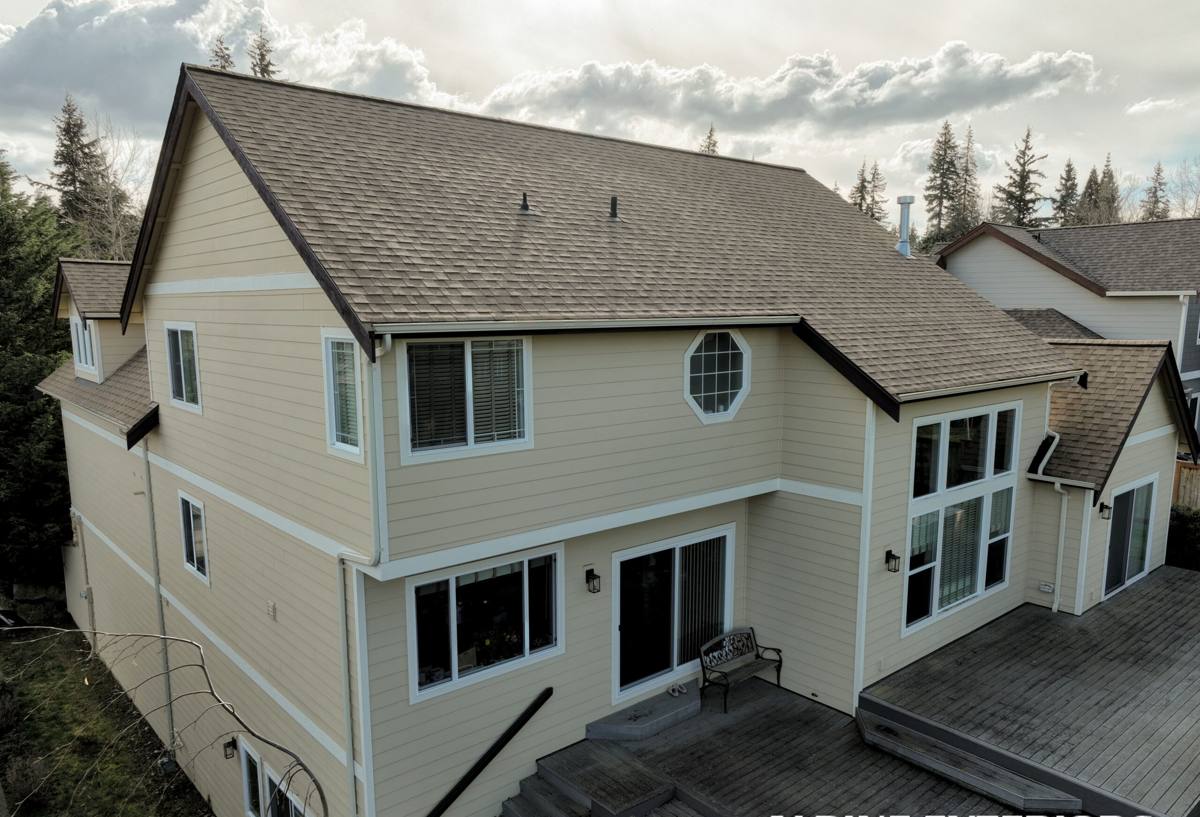
What's Different About Repairing a Roof on a Historic Home
Roof repair on a Historic Kenwood home isn't just smaller-scale work than a full replacement — it comes with its own set of constraints that a newer-construction repair doesn't have.
- Roof decking on older homes is frequently older-dimension lumber or skip sheathing, which doesn't always match current material sizing and needs to be worked around rather than assumed to be standard
- Multiple layers of prior roofing or patch work are common, and each layer has to be understood before a repair can be done correctly rather than just covered over again
- Ventilation on older homes was often designed for a different roofing material or era, and a repair that doesn't account for that can trap heat and moisture even after the visible leak is fixed
- Homes within the historic district may have review requirements for exterior work, including roofing material and appearance, so it's worth confirming what applies to your property before work begins
- Matching existing roofing material or profile matters more here than on a newer home, both for appearance and for keeping the rest of the roof performing consistently
Signs a Historic Kenwood Roof Needs Repair
Not every issue on an older roof calls for full replacement. These are the signs that typically point toward a targeted repair, and the sooner they're addressed, the more likely a repair — rather than a much bigger job — is still the right answer:
- Shingles that are lifted, cracked, or missing after a windy or stormy stretch
- Water stains on interior ceilings, especially near valleys, chimneys, or roof-to-wall transitions
- Visible rust streaking at flashing, vent stacks, or fastener heads
- Soft spots or slight sagging in a limited section of roof deck, rather than across the whole roof
- Granule loss concentrated in one area rather than spread evenly with age
- Daylight visible through the attic in a specific spot rather than diffusely
- A leak that appears only during wind-driven rain, but not in a calm, straight-down rain
Repair or Replace? What Actually Decides It
On a Historic Kenwood home, the decision usually comes down to how contained the damage is and how much of the surrounding roof has aged out along with it. This comparison lays out the general pattern — the actual call always depends on an on-roof inspection.
| Factor | Points Toward Repair | Points Toward Replacement |
|---|---|---|
| Extent of damage | Isolated to one section, slope, or penetration | Spread across multiple slopes or the whole roof |
| Age of surrounding roofing | Roof is mid-life and otherwise in reasonable shape | Roof is at or past its expected service life |
| Deck condition | Sheathing underneath is sound | Rot or soft decking found in multiple areas |
| Underlayment condition | Underlayment nearby is still intact | Underlayment is brittle, torn, or failing broadly |
| Storm history | Single event caused the damage | Repeated storm damage over several seasons |
We'll always give an honest read on which side of this line a given roof falls on rather than defaulting to the larger job.
What a Correct Repair Actually Involves
A repair that only addresses the visible symptom tends to come back. On an older Historic Kenwood roof, that usually means going a step further than just swapping out the damaged material.
Finding the Real Source
Water travels before it shows up as a stain, so the visible damage inside a home isn't always directly under the actual point of entry on the roof. We trace leaks back to their source rather than patching wherever the ceiling stain happens to be.
Matching Existing Material
Where possible, we match the existing shingle profile, color, and exposure so a repair blends in rather than standing out as an obvious patch. When an exact match isn't available because the original product has been discontinued, we'll talk through the closest reasonable option before doing the work.
Flashing and Sealant
Given how much wind-driven rain and salt exposure this area sees, we don't rely on sealant alone to close up a repair. Flashing at chimneys, valleys, and penetrations gets properly integrated with the surrounding roofing and underlayment, with corrosion-resistant materials suited to Tampa Bay's salt air.
Deck and Structural Check
Any repair that exposes the roof deck is a chance to check the condition of the sheathing and framing underneath. On an older home, this is often where hidden rot or prior water damage actually gets found, rather than during a routine inspection from the ground.
Fasteners and Hardware
We use corrosion-resistant fasteners suited to this coastal environment rather than standard hardware, since fastener failure from salt exposure is one of the more common root causes we trace repeat repairs back to on older Kenwood roofs.
Our Roof Repair Process
- Inspection. We examine the roof and, when needed, the attic from inside, tracing any leak back to its actual source rather than assuming the obvious spot is the right one.
- Assessment and options. We explain what we found, whether a repair is the right call or a larger issue is developing, and what the repair will involve.
- Material matching. Where the roof is a visible, occupied historic home, we identify a shingle or material match that keeps the repair from standing out.
- Repair work. Damaged material is removed, the deck underneath is checked and repaired if needed, and new flashing, underlayment, and roofing material go in correctly integrated with what's already there.
- Cleanup and inspection. The repair area and surrounding roof are checked once more before we consider the job done.
- Walk-through. We review the completed repair with the homeowner and go over any maintenance or follow-up worth keeping an eye on.
Cost Factors for Roof Repair in Historic Kenwood
Every repair prices differently based on what's actually found once work starts, but these are the variables that move the number the most.
| Factor | Why It Matters Here |
|---|---|
| Extent of visible damage | A single lifted section costs far less to address than damage spread across a slope |
| Deck condition underneath | Rot found once the surface is opened up adds cost that isn't visible beforehand |
| Material availability | Matching an older or discontinued shingle profile can take more sourcing time than a common current product |
| Access and roof pitch | Steeper or harder-to-access roofs take longer and need more safety setup |
| Number of penetrations involved | Chimneys, old vent stacks, and multiple flashing points add labor and detail work |
| Storm timing | Repairs scheduled during active storm season may need temporary weatherproofing before the permanent fix |
Why Hire a Crew That Already Works Historic Kenwood
A roofer who mostly works newer construction elsewhere in Pinellas County isn't wrong about roofing in general — they're just used to a different starting point. Older decking dimensions, multiple hidden layers of prior roofing, and matching discontinued shingle profiles are all things a crew learns by working this specific kind of home repeatedly, not by reading a spec sheet. A crew already familiar with Historic Kenwood also has a better sense of what a typical roof here looked like when it was last worked on, which speeds up diagnosis and reduces the guesswork on a leak that's been hard to pin down.
Local experience also means realistic scheduling around Florida's storm season. A repair that leaves any part of a roof deck open needs to be planned and, if necessary, temporarily protected with weather in mind, and that's a different calculation in June than it is in December.
Maintaining Your Roof Between Repairs
A correctly done repair still benefits from basic upkeep given what this climate does to a roof year-round:
- Have the roof checked after any named storm or significant wind event, even if nothing looks obviously wrong from the ground
- Keep gutters and downspouts clear so wind-driven rain isn't backing up under roof edges
- Address small leak signs right away rather than waiting to see if they get worse
- Check attic ventilation periodically, since trapped heat and moisture shorten the life of both old and newly repaired roofing
- Keep an eye on flashing points at chimneys and vents, since that's where salt-air corrosion typically shows up first
If your Historic Kenwood home has a leak, storm damage, or roofing that's simply showing its age, we're happy to take a look and give you an honest read on what it actually needs. Reach out for a free, no-pressure estimate using the form below.