 St. Petersburg Siding
 Why Roofs Wear Out Faster in Kenneth City
Kenneth City sits tucked inside St. Petersburg and shares the same exposure every home in this part of Pinellas County deals with: long, brutal summers of intense UV, sudden wind-driven rain that can hit sideways during a pop-up storm, and salt air rolling in off the surrounding bays even though the town itself isn't waterfront. None of these are dramatic on their own, but stacked year after year they age a roof faster than the manufacturer's warranty label suggests. Add the real risk of hurricane-force winds during storm season, and you have a climate that is genuinely tougher on a roof than most of the country.
A lot of the housing stock in Kenneth City dates back to the postwar building boom of the 1950s and 60s — modest single-story homes on smaller lots, many of which have been re-roofed once or twice since. That means a large share of the roofs in this neighborhood are approaching, at, or past the point where another repair stops making financial sense and full replacement becomes the honest recommendation.
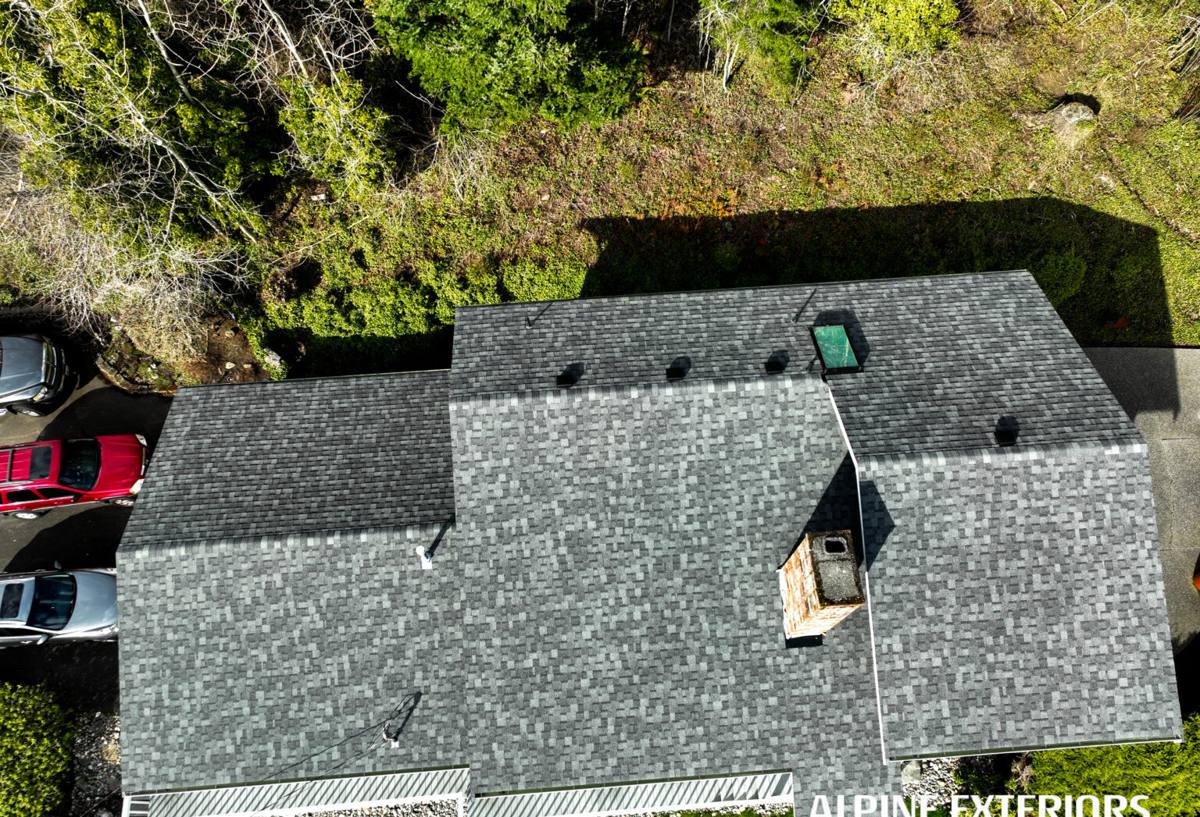
Signs You're Looking at a Replacement, Not a Repair
Not every roof problem means a full tear-off. But there's a point where patching becomes throwing money at a roof that's already lost its ability to protect the house. Some signals that point toward replacement:
- Shingles that are cracked, curling, or losing granules across large sections rather than one localized spot
- More than one active leak, or a leak history that keeps reappearing in different spots after repairs
- Visible sagging in the roof deck, which usually means water has already gotten into the wood
- A roof nearing or past 20 years old (asphalt shingle) with obvious wear, especially if it's never been through a major re-roof
- Granules collecting in gutters or downspouts in large amounts, a sign the shingles are shedding their UV protection layer
- Storm damage significant enough that an insurance adjuster is already involved
If you're only seeing one or two of these and the roof is younger, a targeted repair may genuinely be the right call — we'll tell you that instead of pushing a replacement you don't need yet.
Why "Just Patch It" Doesn't Always Save Money
A roof that's failing broadly rather than in one spot has usually already let moisture into the underlayment or decking in more places than are visible from the ground. Repairing the visible symptom without addressing what's underneath means paying for the same repair again within a year or two, often after the damage has spread.
What a Correct Roof Replacement Involves
A roof replacement is more than stripping old shingles and nailing down new ones. In a wind-and-rain climate like this one, the layers underneath the shingles do as much work as the shingles themselves. A properly done job includes:
- Full tear-off down to the deck — never a layover on top of old shingles, which traps moisture and hides deck problems
- Deck inspection and repair — replacing any rotted or delaminated plywood/OSB before anything new goes down
- Self-adhering underlayment at eaves, valleys, and penetrations, giving a secondary water barrier if wind-driven rain gets under the shingles
- Proper drip edge and flashing at every roof-to-wall transition, chimney, skylight, and vent — flashing failure is one of the most common causes of leaks that homeowners misdiagnose as a "shingle problem"
- Wind-rated fastening matched to current Florida Building Code wind speed requirements for this area, not just whatever the old roof used
- Attic ventilation that's balanced (intake and exhaust), which affects both shingle lifespan and cooling costs in a climate that runs hot most of the year
Skipping any one of these to save a day of labor is exactly how a roof ends up needing attention again in five years instead of twenty.
Material Options for This Climate
Most homes here land on one of a few roofing systems. Each has real trade-offs worth understanding rather than a "best" answer that fits every house.
| Material | Typical Lifespan | How It Handles This Climate |
|---|---|---|
| 3-tab asphalt shingle | 15–20 years | Lowest upfront cost; lower wind rating and UV resistance than architectural shingles, so it wears faster here |
| Architectural (dimensional) shingle | 20–30 years | Thicker, better wind rating, better UV/granule retention; the most common choice for this area |
| Standing seam metal | 40–50+ years | Excellent wind and hurricane performance, reflects heat well, higher upfront cost, needs correct fastening detail to avoid oil-canning or seam issues |
| Tile (concrete or clay) | 30–50 years | Very durable against UV and wind when properly fastened, but heavier, costlier, and repairs after impact damage require matching tile |
We don't push one product line as the answer for every roof. The right call depends on the home's structure, your budget, and how long you plan to stay in the house — we'll walk through the honest trade-offs rather than upsell you into something the roof or the budget doesn't call for.
Our Roof Replacement Process
- On-site inspection — we look at the deck, flashing, ventilation, and overall condition, not just the shingles from the ground
- Written estimate — clear scope, materials, and price before any work starts, no surprise change orders for things we should have caught upfront
- Permitting — pulled correctly for the jurisdiction before work begins
- Tear-off and deck repair — old roofing removed, deck inspected board by board, damaged sections replaced
- Underlayment, flashing, and new roofing installed to code and manufacturer specification
- Final walkthrough and cleanup — including a magnetic nail sweep of the yard, which matters if you have kids, pets, or park in the driveway
Permits, Code, and Insurance in Pinellas County
Kenneth City is its own small incorporated municipality inside Pinellas County, which means roofing permits can run through the town's building process or through an interlocal arrangement with the county, depending on current jurisdiction agreements. Either way, the permit needs to be pulled correctly and inspected before it's closed out — a roof installed without a proper permit can create real problems later with insurance claims or when you go to sell the house.
Florida's building code requirements for wind resistance are not optional extras; they're the baseline for anything installed today, and they exist because of exactly the kind of storm exposure this part of the state sees. A contractor who treats code minimums as "upgrades" you can skip isn't doing you a favor.
Insurance Considerations
Many insurers in this part of Florida now ask for proof of roof age, permit documentation, and sometimes a wind mitigation inspection to set or maintain premiums. A documented, permitted replacement with the right fastening and underlayment can help on that front — an undocumented or corner-cut job can hurt you when it's time to renew or file a claim.
What Roof Replacement Typically Costs
Exact pricing depends on the roof's size, pitch, current condition, and material choice, but the main cost drivers are worth understanding before you get quotes:
| Factor | Why It Moves the Price |
|---|---|
| Roof size and pitch | More square footage and steeper pitches take more material and labor time |
| Deck condition | Rotted or delaminated decking found during tear-off adds material and labor to replace it properly |
| Material choice | Asphalt shingle, metal, and tile sit at very different price points, both material and installation labor |
| Number of penetrations | Chimneys, skylights, and multiple vents each need individual flashing work |
| Layers to remove | A roof with an existing layover (more than one layer) costs more to tear off than a single-layer roof |
Be cautious of a bid that's dramatically lower than every other quote you get — it usually means something is being skipped, whether that's deck repair, proper underlayment, or code-required fastening.
Why a Crew That Already Works in Kenneth City Matters
A roofing crew that regularly works this specific pocket of Pinellas County already knows the typical construction of homes here, has a working relationship with the applicable permitting process, and has seen firsthand how the local mix of sun, salt air, and storm exposure actually plays out over time on roofs like yours — not just in a manufacturer's spec sheet. That local familiarity shortens the inspection process, reduces surprises once tear-off starts, and means the crew isn't guessing at what this climate demands from flashing and fastening details.
It also matters for accountability. A contractor who works this neighborhood regularly has a reputation to protect with your actual neighbors, not just an out-of-town service area on a website.
Questions to Ask Before You Sign
- Is the estimate a full tear-off, or does it include a layover option — and do you understand why that matters?
- Does the quote specify underlayment type, flashing details, and fastening pattern, or just "new roof installed"?
- Who pulls the permit, and is that cost included in the quote?
- What's the warranty on materials versus the warranty on workmanship, and who backs each one?
- What happens if the crew finds rotted decking once tear-off starts — is that a separate change order, and roughly what would it cost?
- Is the company licensed and insured to work in Florida, and can they provide proof without you having to chase it down?
If your roof in Kenneth City is showing its age or you just want an honest opinion on repair versus replacement, we're happy to take a look. Fill out the form below for a free, no-pressure estimate.