 St. Petersburg Siding
 A Historic Neighborhood With Roofs Built for an Earlier Era
Roser Park is one of the older, more established residential pockets close to downtown St. Petersburg — a mix of early bungalow and craftsman-style homes on mature, tree-lined lots, with more topographic character than most of the flat grid that makes up the rest of the city. Many of these roofs were framed, decked, and shingled under a much older version of the Florida Building Code, if they were built before code even required wind-rated roofing assemblies at all. A roof that was adequate when it went on can be genuinely undersized for what Pinellas County weather throws at it today.
That's the starting point for almost every roof replacement conversation we have in this neighborhood: not "what's the cheapest way to cover the house again," but "what does this specific home, on this street, with this tree canopy and this roof pitch, actually need to hold up for the next 20-plus years."
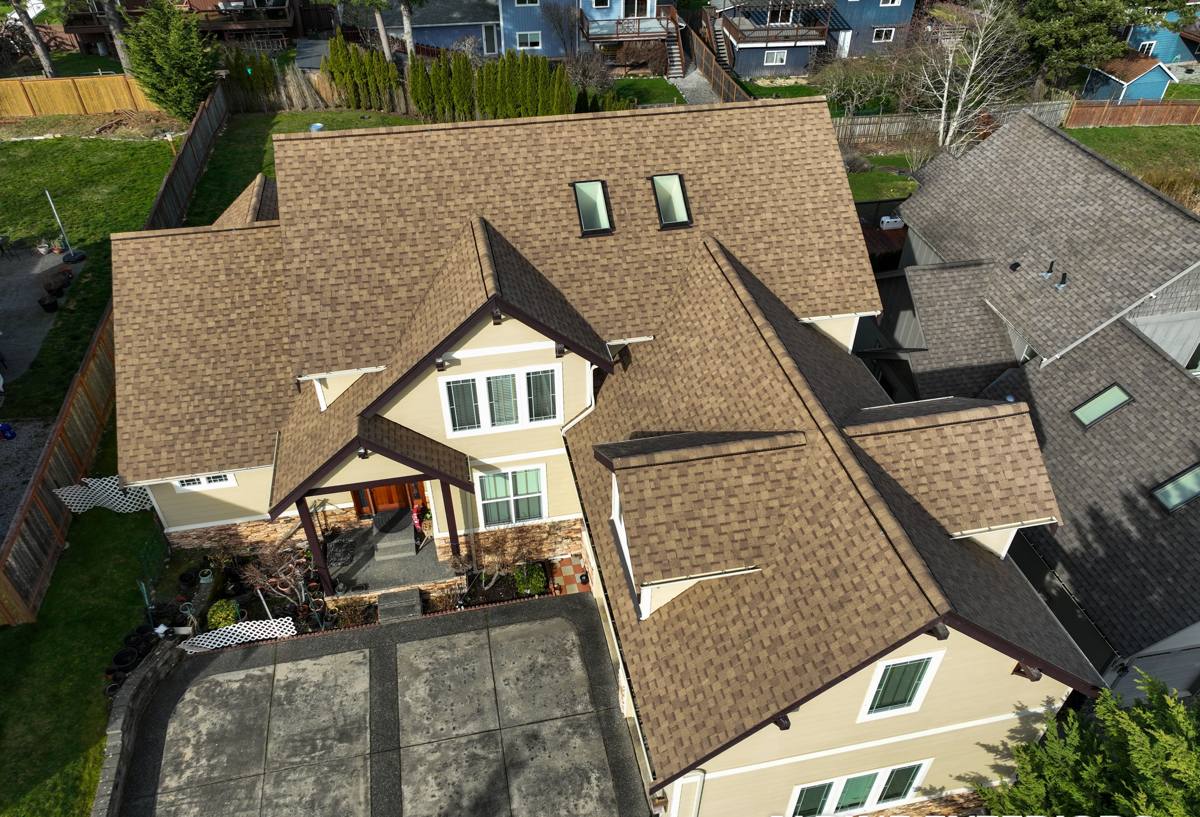
What Hurricane Winds, UV, Rain, and Salt Air Do to a Roof
St. Petersburg sits on a peninsula, and every roof in Pinellas County is dealing with the same four stresses, just in different combinations depending on tree cover, orientation, and roof age:
- Hurricane-force wind gets under loose or aging shingle tabs and flashing first, then works its way into fastener holes and deck seams — that's how a roof loses shingles in sheets instead of a few at a time.
- Intense, year-round UV breaks down asphalt oils and shingle granules faster here than in most of the country, which is why a shingle rated for a 25-30 year lifespan up north often shows real wear well before that in Florida.
- Wind-driven rain doesn't just fall straight down — during storms it gets pushed sideways and upward under shingle edges and around penetrations, which is why flashing detail and underlayment matter as much as the shingle itself.
- Salt air, even several miles inland from the bay, accelerates corrosion on exposed metal — nail heads, flashing, vent stacks, and fasteners — long before most homeowners notice anything wrong on the shingle surface.
None of that is unique to Roser Park, but the neighborhood's mature oak canopy adds its own wear pattern: more shade means more moisture retention on the roof surface, more debris in valleys, and more granule loss from branches and falling limbs over time. A roof under heavy tree cover can fail differently than an identical roof out in the open, even on the same street.
Signs You Need Replacement, Not Another Repair
Plenty of roofs can be patched for a few more years. The trick is knowing when a repair is actually just delaying a bigger, more expensive problem. Before we recommend full replacement, we look for:
- Shingles that are curling, cupping, or losing granules in patches rather than just around one damaged area
- Soft spots or sagging when walked on, which usually means the decking underneath has taken on moisture
- Repeated leaks in different spots after past repairs, rather than one isolated failure point
- Visible daylight through the attic decking, or water staining on multiple rafters
- Flashing around chimneys, skylights, or roof-to-wall transitions that's rusted, lifted, or was never properly step-flashed to begin with
- A roof approaching or past the age where its shingle warranty has expired, especially if it's never been reroofed since the home was built
- Granules collecting heavily in gutters after every rain, a sign the shingle surface is breaking down
If you're only seeing one or two of these and the roof is otherwise sound, a repair may genuinely be the right call — we'll tell you that. Replacement makes sense when the underlying materials, not just the surface, are compromised.
What a Correct Roof Replacement Involves
Full Tear-Off and Deck Inspection
We don't install new shingles over old ones, and we'd advise against hiring anyone who offers to. A layover hides the condition of the deck, traps heat and moisture, and voids most manufacturer warranties. A correct replacement starts with stripping the roof down to bare decking so we can see — not guess at — the actual condition of the plywood or board sheathing underneath. Any soft, delaminated, or water-damaged sections get cut out and replaced before anything new goes down.
Underlayment and Secondary Water Barrier
Current Florida Building Code requires a sealed or taped deck, sometimes called a secondary water barrier, on new roof installations — this is what keeps a home dry even if wind-driven rain manages to get past the shingles during a storm. We install synthetic or self-adhering underlayment at seams and roof edges specifically because this region's storms don't just test the surface layer, they test everything underneath it.
Flashing and Ventilation
Flashing around chimneys, walls, skylights, and valleys is where most leaks actually originate, not the open shingle field — so this is where corner-cutting shows up years later as a hidden problem. We also check attic ventilation as part of every replacement. Correct intake and exhaust airflow keeps attic temperatures and moisture in check, which extends shingle life and helps prevent the kind of trapped humidity that leads to deck rot, especially under a dense tree canopy where a roof gets less direct sun to dry out after rain.
Choosing the Right Roofing Material
There's no single "best" roofing material for St. Petersburg — the right choice depends on your budget, your roof's pitch and structure, and how long you plan to own the home. Here's how the main options stack up against Pinellas County's climate specifically:
| Material | Wind & Storm Performance | UV & Salt-Air Resistance | Maintenance | Typical Fit for Roser Park |
|---|---|---|---|---|
| Architectural (dimensional) asphalt shingles | Strong when properly nailed and rated for high wind; standard choice for most homes | Good; quality varies by product line and color | Low; periodic inspection after storms | Fits the traditional bungalow look at a moderate cost |
| 3-tab asphalt shingles | Lower wind resistance than architectural shingles | Shorter effective lifespan in intense sun | Low, but shorter service life overall | Rarely our recommendation for this climate; we're glad to explain why on a call |
| Standing-seam metal | Excellent; among the best available for high-wind areas | Excellent; resists salt-air corrosion well with the right coating | Very low over the long term | Higher upfront cost, often makes sense for homeowners planning to stay long-term |
| Concrete or clay tile | Strong if the roof structure can support the added weight | Very good; the material itself doesn't degrade from UV | Moderate; individual tiles can crack and need replacement | Common on some period homes, but requires structural review first |
For most Roser Park homes, that comes down to architectural shingles as the practical, code-compliant, budget-conscious default, with metal as the upgrade path for homeowners who want to stop thinking about their roof for the next 40-plus years. We'll walk through the real trade-offs for your specific roof rather than pushing one product.
Our Process, Start to Finish
- On-site inspection — we get on the roof, check the decking condition where accessible, look at flashing, ventilation, and gutter attachment, and take photos to review with you.
- Written estimate — a clear scope of work and price range, including material options, before anything is scheduled.
- Permitting — we pull the required City of St. Petersburg / Pinellas County roofing permit and handle inspections; this isn't optional, and it's also what protects your insurance coverage and resale disclosures later.
- Material delivery and site protection — landscaping, driveways, and walkways get protected before tear-off starts, and we lay tarps to catch debris given the tree cover common in this neighborhood.
- Tear-off and deck repair — full removal down to the sheathing, with any damaged decking replaced and documented.
- Underlayment, flashing, and new roofing installation — installed to current code and manufacturer specification, not just "close enough."
- Cleanup and magnetic nail sweep — full site cleanup, including a pass for stray fasteners in the yard and driveway.
- Final walkthrough and inspection — we review the finished roof with you, and the job closes out with the municipal inspection required to close the permit.
Permits, Codes, and Wind Mitigation
Every full roof replacement in the city requires a permit — there's no legitimate way around this, and any contractor offering to "skip the paperwork" is putting your insurance coverage at risk, not saving you money. Roofs here are installed to current Florida Building Code wind-speed and attachment requirements, which are meaningfully stricter than what a lot of these homes were built under originally.
If your home falls within one of St. Petersburg's designated historic districts, it's worth checking with the city on whether exterior material or color guidelines apply before finalizing your material choice — we're happy to help you sort out what's required versus what's simply optional.
A new roof installed to current code is also the basis for a wind mitigation inspection, which can lower your homeowners insurance premium by documenting features like a sealed deck, hip roof geometry, and proper roof-to-wall connections. We can point you toward getting that inspection done after the job is complete.
What Roof Replacement Typically Costs
Pricing depends on more than square footage. The honest range for most homes in this area runs from a straightforward architectural-shingle job on a simple roof up through a full metal roof on a steeper, more complex structure — the factors below are what actually move that number:
| Factor | Why It Affects Your Price |
|---|---|
| Roof size and pitch | Steeper roofs take longer to work safely and use more material per square foot of coverage |
| Deck condition | Rotted or delaminated sheathing found during tear-off adds material and labor to replace |
| Number of penetrations | Chimneys, skylights, and vent stacks each need individual flashing work |
| Material choice | Architectural shingle, metal, and tile carry different material and labor costs |
| Access and tree cover | Mature trees close to the house can require extra care, protection, or limb clearance |
| Layers to remove | A roof with a prior layover means more tear-off work before new materials go down |
We won't quote a number without seeing the roof — anyone who will is guessing. What we can promise is a written estimate that spells out exactly what's included, so there are no surprise add-ons once the tear-off exposes the deck.
Why Hire a Crew That Already Works Roser Park
A neighborhood like this rewards familiarity. Knowing that homes here tend to be older, that lots are tighter and more heavily landscaped than the newer subdivisions further out, and that the roof pitches and framing methods common to this era of construction aren't the same as a 1990s tract home — that all shapes how a job gets planned and executed, from equipment staging to how we protect the yard during tear-off. It also means fewer surprises: we've seen what decking and framing from this period of St. Petersburg construction typically looks like once the shingles come off, so estimates hold up better once work actually starts.
Being local also means being accountable after the job is done. If a question comes up during the next storm season, you're calling a crew that's still working streets near yours, not chasing down a company that rolled through once and left town.
Talk to a Local Crew About Your Roof
If your Roser Park roof is showing its age, aren't sure whether it needs a repair or a full replacement, or you just want a straight answer about what current code and this climate actually require, we're glad to take a look. Reach out for a free, no-pressure estimate — the form below gets you started.