 St. Petersburg Siding
 Roser Park's Siding Problem Isn't Like Inland Florida's
Roser Park sits close enough to Tampa Bay that salt air, humidity, and storm winds are a daily fact of life, not an occasional event. St. Petersburg homes here deal with a combination most inland Florida towns never see: constant UV breaking down surface finishes, wind-driven rain forcing water sideways into joints and laps, salt-laden air corroding fasteners and trim, and hurricane-force gusts testing every seam in the cladding system. Any one of these will shorten the life of ordinary siding. Together, over years, they expose exactly where a siding job was done right and where it wasn't.
That's the lens we use on every Roser Park project: not "what siding looks good going up" but "what siding, installed which way, survives fifteen Julys and a few real storms without turning into a maintenance project."
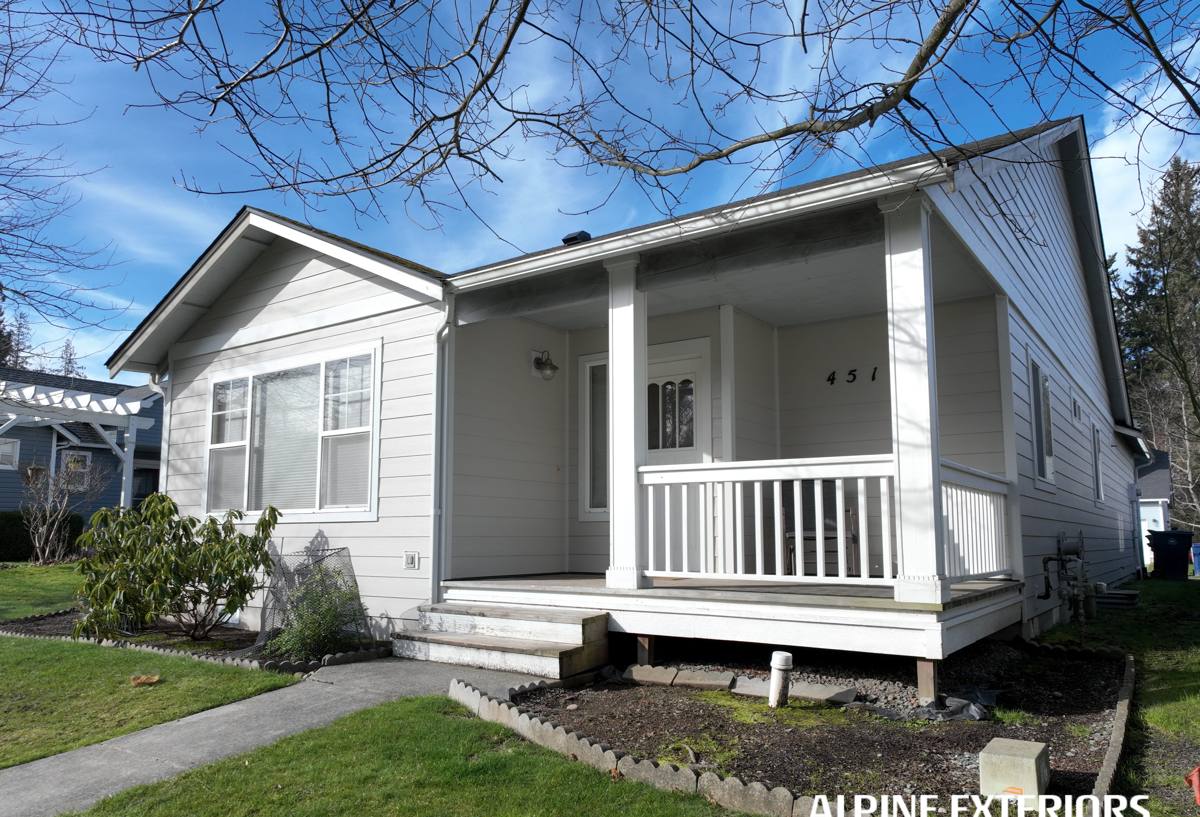
What Makes Roser Park's Housing Stock Different
Roser Park is one of St. Petersburg's older, established neighborhoods — known locally for its rolling, tree-shaded streets, which is unusual in a city that's otherwise flat. That terrain and tree canopy matter for siding in two practical ways. First, mature tree cover means more shade-to-sun cycling on walls throughout the day, which stresses paint and coatings differently than a home sitting in open sun all day. Second, older homes in established neighborhoods like this one often have layers of siding history — sometimes original wood siding, sometimes a vinyl or aluminum re-side from decades back — and what's underneath affects what a correct re-side actually requires.
We don't assume every Roser Park home is a blank slate. Part of doing this job right here is finding out what's already on the wall, what the sheathing underneath looks like once the old siding comes off, and whether there's hidden moisture damage before we ever talk about new material.
Why We Only Install James Hardie Here
We install James Hardie fiber cement siding exclusively — no vinyl, no LP SmartSide, no Cemplank, no Allura, no primed wood. That's a deliberate standard, not a sales preference, and it matters more in a climate like this than almost anywhere else in the country.
Non-combustible
Fiber cement doesn't burn, melt, or warp from heat the way vinyl and engineered wood products can. That's a real difference in Florida's dry season and during lightning-driven brush fires.
Built for the moisture cycle
James Hardie's HZ5 product line is engineered specifically for high-humidity, high-moisture climates like the Gulf Coast. Fiber cement doesn't swell, rot, or delaminate the way wood-based products can when they take on repeated wetting from wind-driven rain.
ColorPlus finish holds up to UV and salt
Factory-applied ColorPlus finish is baked on under controlled conditions and backed by its own finish warranty — a meaningfully different proposition than field-applied paint, which breaks down faster under constant Florida sun and salt exposure and needs repainting on a shorter cycle.
A warranty that's actually transferable
James Hardie's product warranty structure is designed to survive a sale of the home — relevant in a desirable, close-to-the-water neighborhood where houses do change hands.
What a Correct Installation Actually Involves
Fiber cement siding is only as good as the installation underneath it. Most of the failures we get called out to inspect on older siding jobs — anywhere, not just here — trace back to a handful of installation shortcuts, not the material itself.
- Proper weather-resistive barrier installed and lapped correctly before any siding goes on — not just relying on the old barrier if it's compromised
- Correct starter strip at the base course so the first row sits at the right plane and angle
- Manufacturer-specified minimum clearances at grade, roof lines, decks, and other siding-to-surface transitions, so water has somewhere to go instead of wicking into the bottom edge
- Flashing at every window, door, and penetration — installed before siding, not caulked in after the fact
- Correct fastener type, spacing, and depth — Hardie is specific about this, and over- or under-driven nails are one of the most common causes of premature cracking
- Field-cut edges primed or sealed per spec, since a raw cut edge is where moisture intrusion starts
- Proper joint and butt-seam treatment, especially at inside and outside corners where wind-driven rain hits hardest
None of this is exotic. It's just detail work that takes longer to do correctly than to fake, and it's the difference between siding that looks fine at year one and siding that's still performing at year fifteen.
Our Process on a Roser Park Job
We run every project the same way, whether it's a small bungalow or a larger home:
- On-site assessment. We look at the existing siding, sheathing condition, trim, and any problem areas — soft spots, staining, prior repairs — before we ever quote.
- Tear-off and inspection. Old siding comes off and we check the sheathing underneath for rot or moisture damage before covering it back up. Anything compromised gets addressed, not hidden.
- Weather barrier and flashing. This is the layer nobody sees again once siding goes on, and it's the layer that actually keeps water out.
- Hardie installation to manufacturer spec. Correct fasteners, correct clearances, correct joint treatment — installed by a crew that installs this product routinely, not occasionally.
- Trim, caulking, and final detail. Edges sealed, corners finished, touch-up on any field cuts.
- Walkthrough. We go over the finished job with you before we call it done.
Cost Factors on a Roser Park James Hardie Job
Every home is different, but the same variables drive cost on most jobs in this neighborhood:
| Factor | Why It Matters |
|---|---|
| Tear-off complexity | Multiple layers of old siding or extensive rot repair adds labor before new siding even starts |
| Home size and wall detail | Bungalow-style homes often have more trim, gables, and cut lines than a simple rectangular footprint |
| Siding profile | Lap siding, shingle-style panels, and board-and-batten each have different material and labor costs |
| Trim and accessory work | Fascia, soffit, and window/door trim replacement often gets bundled with a re-side |
| Access and site conditions | Mature landscaping, narrow side yards, and multi-story sections all affect labor time |
We don't quote off a square-footage guess. A real number comes from actually looking at the house.
James Hardie vs. Other Siding Options
Homeowners in this neighborhood often ask why we won't just install a cheaper alternative. Here's the honest comparison:
| Material | How It Holds Up Here |
|---|---|
| Vinyl | Lower upfront cost, but can warp or fade under sustained Florida UV, and heavy wind can pull panels loose at the locking edges in a real storm |
| LP SmartSide (engineered wood) | Wood-based core is more moisture-sensitive over time than fiber cement, which matters in a climate with this much humidity and wind-driven rain |
| Primed wood or cedar | Needs the most ongoing maintenance — repainting, caulking, moisture checks — of any option in this climate |
| James Hardie fiber cement | Non-combustible, engineered for high-moisture climates, factory-cured ColorPlus finish resists UV fading, backed by a transferable warranty |
We're not going to tell you those other products are junk — plenty of homes around the country wear them fine. But for what this specific climate does to a house year over year, we made a professional call to install one product and install it correctly, rather than offer five options and hope the cheapest one holds up.
Why Hiring a Crew That Already Works This Neighborhood Matters
Roser Park is a National Register historic district, and older, established neighborhoods like it sometimes come with architectural review considerations that a crew unfamiliar with the area won't think to check before they start pulling siding off. A local crew also already understands Pinellas County's wind-load and permitting requirements, knows what to expect once old siding comes off older St. Petersburg homes, and isn't learning the neighborhood's quirks on your project. That familiarity shows up in fewer surprises mid-job, not just a faster start.
Questions worth asking any siding contractor before you hire them
- Are you a certified or preferred James Hardie installer, and can you explain your fastening and clearance specs?
- What's your plan if you find rot or moisture damage once old siding comes off?
- Do you pull the required local permits, or is that left to the homeowner?
- What's actually covered under the manufacturer's warranty versus your workmanship warranty?
- Can you walk me through your process for flashing around windows and doors?
What to Expect After Installation
Correctly installed James Hardie siding is genuinely low-maintenance, not maintenance-free. A yearly rinse to clear salt residue and organic buildup, a periodic look at caulking around trim and penetrations, and prompt attention to any impact damage (from storm debris, lawn equipment, etc.) is about all it needs. That's a meaningfully lighter maintenance load than repainting a wood-sided home every few years in this same salt-and-UV environment.
If you're weighing a re-side in Roser Park, we're glad to come take a real look at your home, walk you through what we find, and put together a straightforward, no-pressure estimate — no inflated urgency, just an honest read on what your house needs. The form below gets that started.