 St. Petersburg Siding
 Why Roser Park's Older Homes Face Unique Siding Challenges
Roser Park is one of St. Petersburg's older, established neighborhoods, with a mix of vintage bungalow-style homes and mid-century houses that have been added onto, re-sided, and repaired more than once over the decades. That history matters when it comes to siding repair. A house built decades ago wasn't engineered for today's wind-load codes, and whatever siding is on it now may be the third or fourth material that section of wall has seen.
Layer on the climate and the picture gets more complicated. Pinellas County sits on a peninsula, which means every home in St. Petersburg — Roser Park included — deals with hurricane-force wind gusts, wind-driven rain that gets forced sideways into seams and laps, intense UV exposure nearly year-round, and salt-laden air drifting in off Tampa Bay and the Gulf. None of these forces act alone. Wind opens a gap, rain gets behind the siding through that gap, UV bakes and embrittles whatever caulk or paint was supposed to protect the seam, and salt air accelerates corrosion of every fastener and metal flashing piece involved. A repair that only addresses what's visible on the surface — a cracked board, a loose panel — without addressing what's happening behind it is a repair that fails again within a year or two.
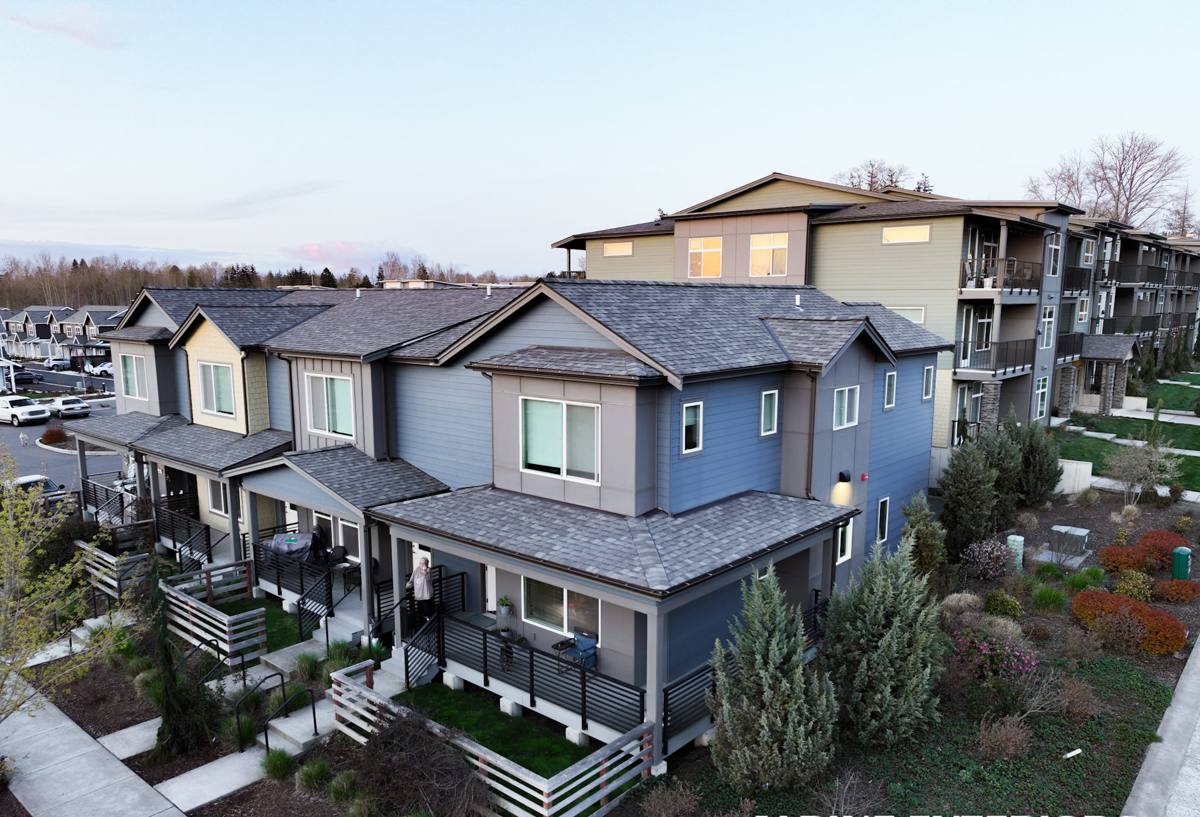
Signs Your Roser Park Home Needs Siding Repair
Most siding damage in this climate doesn't show up as a dramatic hole in the wall. It shows up as small, easy-to-dismiss details that indicate moisture or wind has already gotten past the surface. Homeowners in older, established neighborhoods like Roser Park should walk their home's exterior a couple of times a year and look for:
- Cracked, split, or visibly bowed siding boards or panels, especially near corners and window trim
- Soft or spongy spots when you press on the siding, which usually means the substrate behind it is wet
- Paint that's peeling, bubbling, or flaking in one specific area rather than uniformly across the wall
- Visible gaps or separation at seams, joints, or where siding meets trim, windows, or the roofline
- Discoloration, dark streaking, or a musty smell along interior walls that back up to exterior siding
- Rust staining below nail heads or fasteners, a sign the fasteners themselves are failing
- Sections that flex or rattle in wind, which often means fasteners have pulled loose
Any one of these on its own might be minor. Several together, or any sign of softness or moisture, usually means water has been getting behind the siding for a while and the damage extends past what you can see from the outside.
What a Correctly Done Siding Repair Actually Involves
There's a difference between a repair that patches the symptom and one that actually fixes the problem. A correct repair has to address three things every time, regardless of how small the visible damage looks.
Removing and Inspecting the Substrate
Before anything new goes up, the damaged section has to come off and the wall behind it needs a real inspection — sheathing, framing, and any existing house wrap or moisture barrier. In an older home, this is often where the real story is. Wood that looks fine from six feet away can be soft, and a moisture barrier installed years ago may be torn, sagging, or simply missing in that spot. Skipping this step and just fastening new siding over a compromised wall guarantees a repeat failure.
Rebuilding the Moisture Barrier and Flashing
This is the step that separates a lasting repair from a cosmetic one. Every seam, joint, and penetration needs proper flashing and a continuous, correctly lapped moisture barrier underneath the siding — installed so water sheds downward and outward, never inward. Given how much wind-driven rain this area sees, a repair that reuses old, brittle house wrap or relies on caulk alone to keep water out is not a repair that will hold up through the next storm season.
Matching the Existing Siding's Finish
The last piece is making the repair blend in rather than stand out as an obvious patch. That means matching the profile, the exposure (how much of each course is visible), and the finish color as closely as possible. With factory-finished siding, this is far more reliable than with field-painted materials, because a factory finish keeps its exact color and sheen without fading unevenly against the surrounding siding — which matters even more in a climate where UV exposure fades unprotected paint at different rates depending on sun exposure per wall.
Repair or Replace? How We Make That Call for Roser Park Homes
Not every repair should be a repair, and not every problem area needs a full re-side. We look at the extent of the damage, how much of the wall's structure and moisture barrier is compromised, and how old and how far degraded the existing siding is overall before recommending a direction.
| Situation | Typical Recommendation | Why |
|---|---|---|
| One or two damaged boards, sound structure underneath | Targeted repair | Isolated issue; rest of the siding and wall structure is still performing well |
| Repeated damage in the same area, year after year | Repair plus root-cause fix (flashing, drainage, grading) | Something is routing water to that spot; patching alone won't stop it from recurring |
| Widespread soft spots, rot, or fastener failure across multiple walls | Full replacement | The underlying moisture barrier and substrate are likely compromised broadly, not just where it's visible |
| Siding material is discontinued or a close color/profile match isn't possible | Replace the affected elevation, or discuss a full re-side | Visible patch mismatches undercut curb appeal and resale value |
| Home is nearing 20+ years on its current siding with multiple past repairs | Replacement conversation, even if current damage is minor | Cumulative wear plus repair history usually means more failures are coming |
We'll always tell you honestly which category your home falls into. If a targeted repair will genuinely solve the problem, that's what we recommend — we're not in the business of upselling a full replacement a home doesn't need yet.
Why We Repair and Rebuild with James Hardie Fiber Cement
When a repair calls for new siding material — whether it's a patch on an existing wall or a full elevation — we use James Hardie fiber cement exclusively. We don't install vinyl, LP SmartSide, Cemplank, Allura, or primed wood siding, and that's a deliberate standard, not an oversight. In a climate like this one, the trade-offs of those other products (moisture sensitivity, field-finish maintenance, or long-term warranty structure) show up faster than they would somewhere with a milder climate, and we'd rather stand behind one material we trust completely than offer several we have reservations about.
ColorPlus Finish Matching
James Hardie's ColorPlus finish is baked on at the factory under controlled conditions, which gives it far more consistent, fade-resistant color than a job-site paint job. That consistency is a real advantage in repair work: matching a factory-finished color to existing ColorPlus siding is straightforward, and the new section will hold its color at the same rate as the rest of the wall instead of fading noticeably faster or slower over the following years.
Built for Florida: the HZ5 Product Line
James Hardie engineers its siding by climate zone, and the HZ5 line is built specifically for hot, humid, high-moisture regions like the Gulf Coast. It's formulated to resist moisture-related damage and hold up under the freeze-thaw isn't-the-issue, humidity-and-UV-is climate that Pinellas County actually deals with. Fiber cement is also non-combustible, which is a meaningful, permanent advantage over any wood-based or engineered-wood siding product regardless of how well it's finished.
Our Siding Repair Process, Start to Finish
Homeowners want to know what's actually going to happen at their house, not just marketing language. Here's the process we follow on a Roser Park repair job:
- On-site inspection. We look at the visible damage and check surrounding areas, corners, and penetrations for related issues before quoting anything.
- Honest scope and estimate. You get a written explanation of what we found, what needs to happen, and why — including if we think a repair is sufficient rather than a full re-side.
- Removal and substrate check. Damaged siding comes off, and we inspect the sheathing, framing, and moisture barrier underneath before proceeding.
- Repair the root cause. Any compromised house wrap, flashing, or framing gets addressed — not just covered over.
- Install matched James Hardie siding. New material is cut, fastened, and finished to manufacturer spec, with attention to matching profile and ColorPlus color to the surrounding siding.
- Final walkthrough. We review the completed work with you before we consider the job done.
Why Local Experience in Roser Park (and St. Petersburg) Matters
A siding repair crew that regularly works in and around St. Petersburg has already seen how this specific climate treats homes over time — where wind-driven rain tends to find its way in, how salt air accelerates fastener corrosion faster than in inland areas, and how UV exposure differs from a west-facing wall to a shaded one. That experience shows up in the details: choosing corrosion-resistant fasteners as standard rather than an afterthought, knowing which flashing details actually hold up through a Gulf Coast storm season, and recognizing common repair patterns in older, established neighborhoods rather than treating every job as a blank slate.
It also matters for permitting and code compliance. Pinellas County and the City of St. Petersburg have wind-load and building code requirements that apply to exterior work, and a crew unfamiliar with local requirements can end up doing work that doesn't pass inspection or doesn't meet current wind-resistance standards. Working locally, consistently, means we already know what's required before we start.
Keeping Your Repaired Siding Looking Right for Years
A correct repair should be close to maintenance-free, but a little attention goes a long way in this climate. After a repair, we recommend:
- Rinsing siding periodically to clear salt residue and airborne grime, especially on walls facing open water or prevailing wind
- Checking caulking at trim and penetrations annually, since even quality sealant has a service life in constant UV exposure
- Trimming back vegetation and tree canopy that traps moisture against the siding or drops debris into laps and seams
- Walking the exterior after any major storm to catch new damage early, before it has months to worsen
- Keeping gutters and downspouts clear so water is directed away from walls rather than sheeting down them
If you're noticing damage, softness, or repeated problem spots on your Roser Park home's siding, we're happy to take a look and give you a straight answer about what it needs — a targeted repair, a broader fix, or something in between. Reach out for a free, no-pressure estimate using the form below.