 St. Petersburg Siding
 Why Seminole Homes Need Siding Built for This Climate
Seminole sits in Pinellas County, close enough to the Gulf and the Intracoastal that salt air is a daily fact of life, not an occasional nuisance. Add in Florida's intense, near-constant UV exposure, hurricane-season wind, and the kind of wind-driven rain that gets pushed sideways into walls rather than falling straight down, and you have one of the harder environments in the country to keep exterior siding looking and performing well. Siding that's rated fine for a mild climate somewhere else often struggles here within a few years.
Salt Air and Corrosion
Airborne salt doesn't just affect homes directly on the water. It travels inland on the wind and settles on every exterior surface it touches, including siding, trim, and fasteners. Over time it accelerates corrosion in metal components and breaks down coatings and caulks that weren't formulated to handle it. Siding material and hardware both need to be chosen with that in mind, not treated as an afterthought.
Wind-Driven Rain and Moisture Intrusion
During a squall or tropical system, rain in this area rarely falls straight down — it's pushed horizontally into the wall assembly. That means the water-resistive barrier, flashing, and siding overlaps behind the visible surface matter just as much as the siding itself. A product that looks fine on the surface can still let moisture behind it if those details were rushed.
Year-Round UV and Heat Cycling
Florida sun is relentless, and it doesn't take a season off. Siding here goes through constant heat-up-and-cool-down cycling, plus UV exposure strong enough to fade cheap finishes and dry out organic materials over just a few years. Whatever goes on a Seminole home needs a factory finish engineered for that, not a coating that was designed for a milder climate and happens to also be sold in Florida.
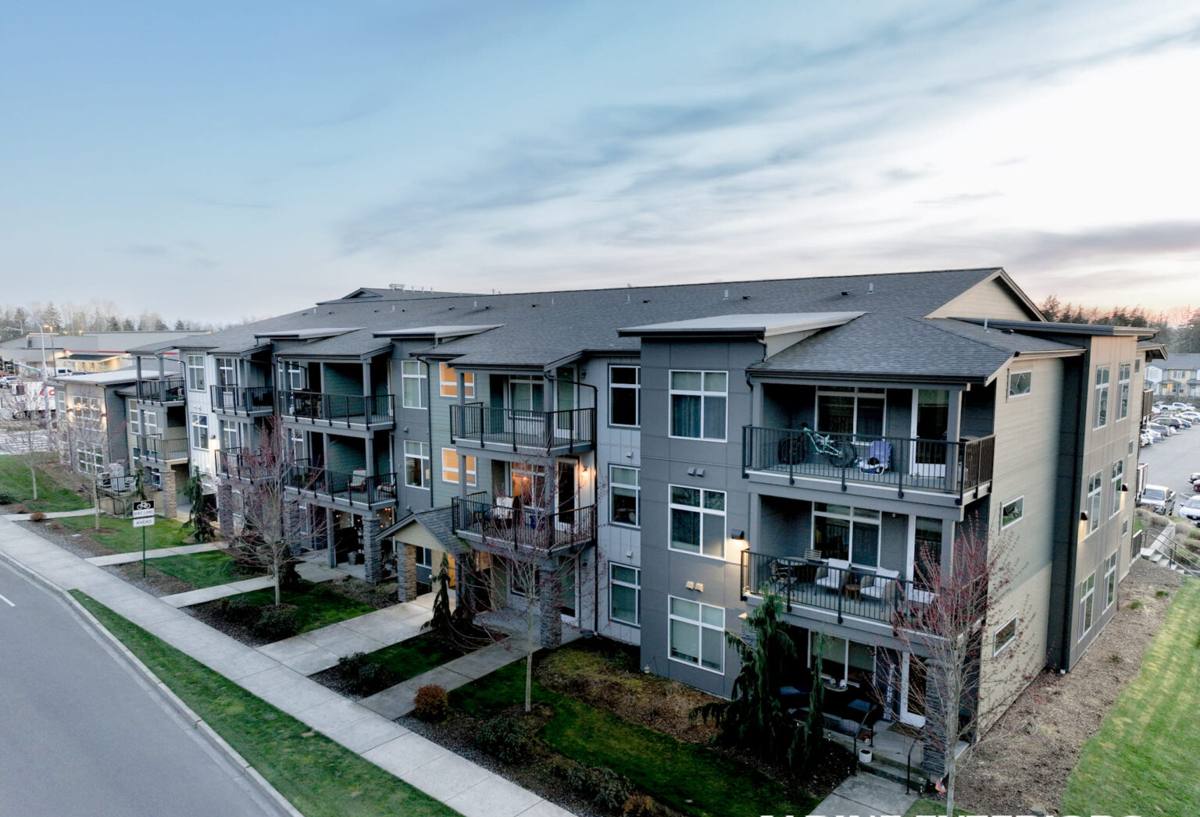
What a Correct Fiber Cement Siding Installation Actually Involves
Fiber cement is a forgiving, durable material — but only when it's installed to the manufacturer's specifications. In this climate, skipped details show up faster than they would somewhere drier and calmer.
Flashing and Water Management
Every window, door, and penetration needs proper flashing integrated with the water-resistive barrier before a single piece of siding goes up. This is the layer that actually keeps a home dry during wind-driven rain — the siding is the second line of defense, not the first.
Fastening for Wind Resistance
Fastener type, spacing, and placement all affect how well siding holds up in high wind. Manufacturer specs exist for a reason, and in a hurricane-exposed area like Pinellas County, following them precisely is the difference between siding that stays put through a storm and siding that doesn't.
Clearances, Gaps, and Ventilation
Fiber cement needs the correct clearance from rooflines, decks, and grade, along with properly caulked or gapped joints depending on the manufacturer's system. Get this wrong and you trap moisture against the material or the framing behind it, which causes problems no amount of good siding material can prevent on its own.
The James Hardie Product Lines We Use in Seminole
We install James Hardie fiber cement exclusively, and we select the product line based on the home's style and exposure rather than defaulting to one option for every job.
| Product Line | Typical Use | Why It Fits Seminole Homes |
|---|---|---|
| HardiePlank Lap Siding | Traditional horizontal lap look | The most common choice for the ranch and traditional Florida homes found throughout the area; sheds wind-driven rain well when lapped correctly |
| HardiePanel Vertical Siding | Vertical siding, accents, gable ends | Clean modern look for accent walls or full elevations; fewer horizontal seams for water to work into |
| HardieShingle Siding | Shingle-style accents or full elevations | Coastal cottage look without the maintenance burden of real wood shingles in salt air |
| HardieTrim Boards | Fascia, corners, window and door trim | Matches the siding's durability so trim doesn't become the weak point in the system |
All of these come with James Hardie's ColorPlus factory finish, which is baked on and warranted against fading and peeling — a meaningful advantage in an environment where UV breaks down field-applied paint faster than in most of the country.
Why We Only Install James Hardie Fiber Cement
We don't install vinyl, LP SmartSide, primed wood, cedar, or other fiber cement brands, and that's a deliberate standard, not a limitation in what we're capable of doing. Vinyl can warp and become brittle under sustained heat and UV, and it offers very little resistance in high wind. Wood and wood-based siding products require ongoing maintenance to resist moisture and insects, which is a harder fight to win in a humid, salt-laden climate. Other fiber cement brands may perform reasonably well, but James Hardie is engineered specifically for climate zones like ours through its HZ product line, backs the material with a strong transferable warranty, and is the product we've found holds up consistently when installed correctly. Standardizing on one manufacturer also means our crews install it constantly, rather than switching systems from job to job, which keeps the details tighter.
Our Process, From Estimate to Finished Job
- On-site evaluation. We walk the home, check the current siding and substrate condition, and note anything specific to the property — sun exposure, wind exposure, existing moisture issues.
- Written estimate. You get a clear scope of work and pricing before any commitment, with the product lines and finish options laid out plainly.
- Prep and tear-off. Old siding comes off, and we inspect the sheathing underneath for rot or damage before it gets covered up again.
- Water-resistive barrier and flashing. This layer goes in correctly the first time, since it's the part you won't see again once siding is up.
- Hardie installation to spec. Fastening, clearances, and joint treatment follow manufacturer specifications for our wind zone, not shortcuts.
- Trim, caulking, and finish details. The details that make the job look clean and keep water out over the long run.
- Final walkthrough. We review the finished work with you before calling the job complete.
What Drives the Cost of Fiber Cement Siding in Seminole
Every home is different, and we'd rather walk your property and give you real numbers than throw out a figure that doesn't apply to your job. In general, these are the factors that move the price up or down:
| Factor | Why It Matters | Typical Impact |
|---|---|---|
| Substrate condition | Rotted or damaged sheathing found during tear-off needs repair before new siding goes on | Moderate to higher |
| Home size and complexity | More corners, gables, and dormers mean more cutting, flashing, and labor | Moderate to higher |
| Product line and profile | Lap, panel, and shingle styles have different material and labor requirements | Low to moderate |
| ColorPlus vs. field-painted finish | Factory finish costs more up front but eliminates a repaint cycle | Moderate |
| Accessibility | Multi-story sections or tight lot lines can add labor and equipment needs | Low to moderate |
Fiber cement generally sits above vinyl and below premium masonry systems in upfront cost, but it typically outperforms vinyl on longevity and storm resistance by a wide enough margin that the lifetime cost comparison favors Hardie for most homeowners planning to stay in the home for years.
Signs Your Current Siding Is Already Struggling in This Environment
If your home has existing siding — vinyl, wood, or an older fiber cement product — watch for these warning signs, which tend to show up faster in Pinellas County's climate than in milder regions:
- Warping, buckling, or waviness, especially on sun-exposed elevations
- Chalky, faded, or peeling paint that keeps needing to be redone
- Soft or spongy spots when pressed, which often signal moisture behind the siding
- Visible gaps, cracked caulk lines, or separated joints
- Corroded or rust-streaked fasteners and trim hardware
- Increased pest activity around wall penetrations or the base of the siding
- Rising energy bills that could point to a compromised building envelope
Why Hiring a Crew That Already Works in Seminole Matters
Fiber cement siding is only as good as the installation, and installation quality is only as good as the crew's familiarity with local conditions. A crew that regularly works in Seminole and the surrounding St. Petersburg area already understands how to detail flashing for wind-driven rain, how to space fasteners for local wind exposure, and which finish choices actually hold up against salt air and sun rather than just looking good on a sample board. That local pattern recognition is hard to substitute for, no matter how good a crew is on paper.
Caring for Fiber Cement Siding in a Salt-Air, High-UV Climate
One reason we recommend Hardie's ColorPlus finish is that it drastically cuts down on maintenance compared to field-painted siding. Even so, a few habits help siding last as long as it's designed to in this environment: rinse salt and grime off exterior walls periodically, especially on sides facing prevailing wind; keep gutters and downspouts clear so water is directed away from the wall assembly; inspect caulking at trim and penetrations once a year and touch it up before gaps widen; and address any impact damage from debris promptly rather than letting moisture find its way in through a small chip. None of this is heavy maintenance — it's the kind of upkeep that protects the investment you've already made.
If you're weighing your siding options for a home in Seminole or anywhere else in the St. Petersburg area, we're happy to take a look and talk through what makes sense for your specific house. Reach out for a free, no-pressure estimate using the form below.