 St. Petersburg Siding
 Siding Installation Built for Seminole's Coastal Exposure
Seminole sits in the western stretch of Pinellas County, close enough to the Gulf and the Intracoastal that salt air, humidity, and wind-driven rain are simply part of daily life for a home's exterior. Add in the sun exposure that any Florida-facing wall gets nearly year-round and the hurricane-season wind loads that come with living on a peninsula, and you have one of the tougher climates in the country to keep siding looking and performing well. A siding job done for a home in a milder inland climate doesn't automatically hold up here — the materials, fasteners, flashing details, and installation sequence all need to account for what this specific stretch of coastline throws at a house.
We install James Hardie fiber cement siding exclusively, and we've done that work throughout St. Petersburg and the surrounding Pinellas communities, including Seminole. That local, repetitive experience matters more than it might seem — a crew that only occasionally works near the coast tends to under-detail the parts of the job that don't show up as a problem until year three or four.
What Seminole's Climate Actually Does to Siding
Salt Air and Humidity
Seminole's proximity to the water means airborne salt settles on exterior surfaces even when there's no direct ocean view from the property. Combined with Florida's humidity, that salt accelerates corrosion of fasteners, trim, and any metal flashing that isn't properly rated or protected. Siding materials that rely on paint film alone for protection are more exposed to this cycle than a factory-baked finish designed to resist it.
UV Exposure
Florida sun is intense and consistent across most of the year. Paint and coatings on siding break down under sustained UV exposure faster here than in most of the country, which is why field-applied paint jobs on wood or composite siding tend to need repainting on a shorter cycle than manufacturers' generic estimates suggest.
Wind-Driven Rain
During Florida's wet season and any tropical system that pushes through, rain doesn't fall straight down — it drives sideways into walls under wind pressure. That means every seam, joint, and penetration in the siding system is a potential entry point for water if it isn't lapped, flashed, and sealed correctly. This is less about the siding material itself and more about installation discipline.
Hurricane-Force Wind
Pinellas County sits in a wind-borne debris region under Florida's building code, and Seminole is no exception. Siding has to be fastened to hold up under sustained high wind, not just look good on a calm day. Fastener spacing, fastener type, and how the siding is attached to the wall assembly all affect whether it stays put during a storm.
Why We Only Install James Hardie in Seminole
We made a deliberate decision years ago to install one siding system — James Hardie fiber cement — rather than offer a menu of vinyl, LP SmartSide, or other composite options. That's not a marketing angle; it's because fiber cement is the material best suited to what this coastline does to a house over time.
- Non-combustible material — fiber cement doesn't contribute fuel to a fire the way wood-based or vinyl products can, which matters for both safety and insurance considerations.
- Factory-applied ColorPlus finish — baked-on color resists UV fade far better than field-applied paint, which matters a great deal under Florida sun.
- Climate-engineered HZ5 product line — James Hardie manufactures a version of its siding specifically formulated for Florida's humidity and moisture exposure, rather than a one-size-fits-all national product.
- Dimensional stability — fiber cement doesn't expand, contract, warp, or rot the way wood and some composites do when humidity swings hard, which it does here.
- Strong transferable warranty — backed by a large, established manufacturer, which matters if the home changes hands.
Vinyl siding can soften and warp under sustained heat and direct sun, and its seams and J-channels give wind-driven rain more opportunities to find a way behind the cladding. Wood and primed spruce siding require ongoing paint maintenance that Florida's UV and humidity make expensive to sustain, and they're far more vulnerable to moisture intrusion and rot once a coating starts to fail. We'd rather stand behind one system we trust completely than sell several and hope each one performs.
What a Correct Installation Involves
The siding material is only part of the equation. Most siding failures we get called out to inspect trace back to installation shortcuts, not the product itself. A correct James Hardie installation in a coastal-influenced area like Seminole includes:
- Removal of existing siding and inspection of the wall sheathing underneath for hidden moisture damage or rot before anything new goes up.
- Correction of any compromised sheathing — covering over a problem with new siding just hides it and lets it keep spreading.
- Installation of a code-compliant weather-resistive barrier, properly lapped from the bottom of the wall up so water sheds outward rather than working its way in.
- Correct flashing at every window, door, and penetration — this is the single most common place we find water damage originating in older installs.
- Manufacturer-specified fastener type, length, and spacing, sized for the wind exposure this area actually sees.
- Proper clearance between the bottom of the siding and grade, decks, or roof lines so water doesn't wick up into the board.
- Caulking and sealing only where James Hardie's install specifications call for it — over-caulking can trap moisture rather than shed it.
Our Process for a Seminole Siding Project
| Step | What Happens |
|---|---|
| Site visit and estimate | We walk the home, assess existing siding condition and wall substrate, and discuss color and product line options. |
| Proposal | A written scope covering material, prep work, flashing details, and timeline — no vague allowances. |
| Removal and inspection | Old siding comes off and we check sheathing before proceeding. |
| Weather barrier and flashing | Installed and inspected before any Hardie board goes up. |
| Hardie installation | Installed to manufacturer specification for fastening, spacing, and clearances. |
| Final walkthrough | We review the finished work with the homeowner and address any punch-list items. |
Choosing the Right Product Line and Color
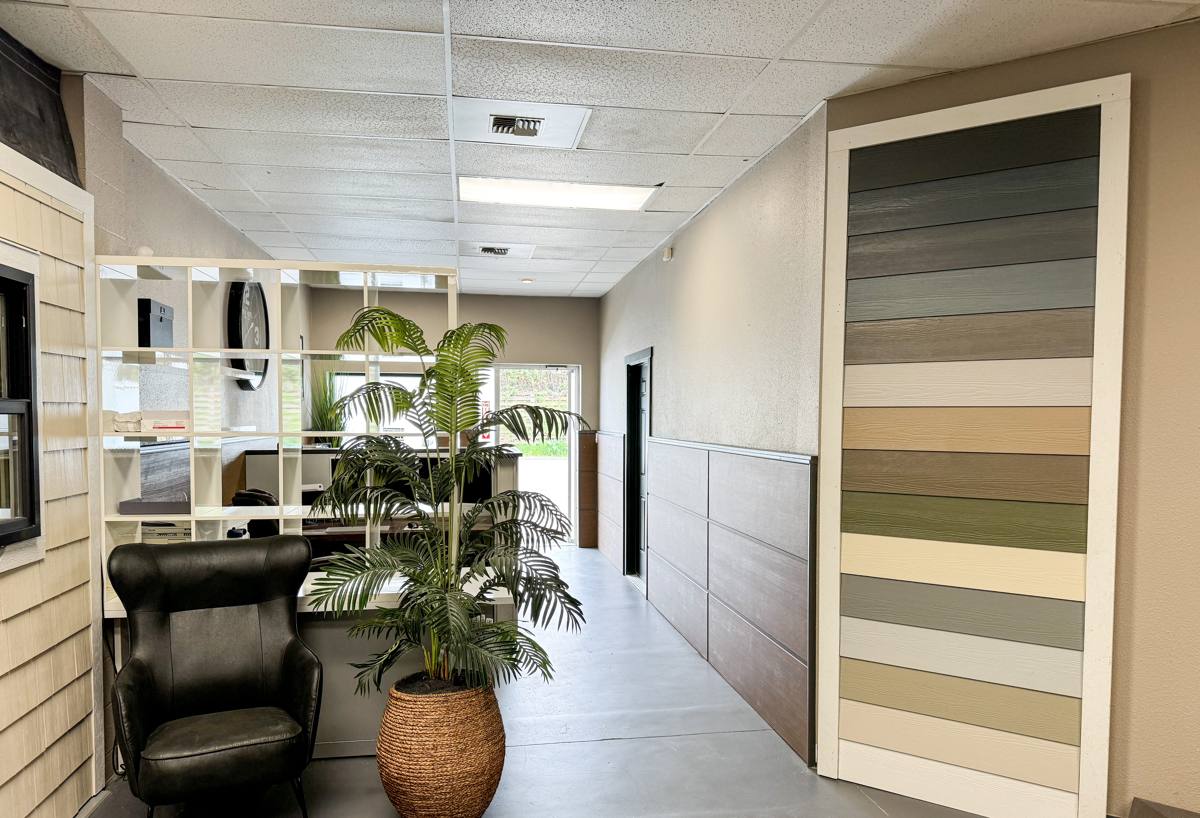
James Hardie offers several siding profiles — lap siding, board and batten, shingle-style panels — and a range of factory colors through its ColorPlus program. For a home in Seminole, we typically talk through:
- Whether the HZ5 zone formulation is specified for the project (it should be, standard for this climate zone).
- Lap width and profile that suits the home's architectural style.
- Color selection weighed against HOA guidelines where applicable and how a given color performs under intense sun (darker colors absorb more heat and can affect substrate behavior slightly differently than lighter tones).
- Trim and accent choices that complement the primary siding without over-complicating maintenance.
Cost Factors to Expect
| Factor | How It Affects the Job |
|---|---|
| Home size and wall area | The primary driver of material and labor cost. |
| Existing substrate condition | Hidden rot or moisture damage found during removal adds repair scope. |
| Number of stories | Multi-story homes require more staging and safety setup. |
| Architectural detail | Dormers, multiple roof lines, and trim work add labor time. |
| Product line and profile | Different Hardie profiles and accessories carry different material costs. |
We don't quote a number without seeing the home first — anyone who does is guessing, and guesses on siding jobs tend to turn into change orders.
Why Local Experience in Seminole Matters
A crew that regularly works homes in Seminole and the surrounding St. Petersburg area already knows what to look for: how prior installations in this area tend to fail, which wall orientations take the worst sun and wind exposure, and how to sequence a job around Florida's rain patterns so the wall isn't left exposed longer than necessary. That local pattern recognition is hard to replicate on a first-time visit from an out-of-area crew, and it's part of why we've kept our focus tight — one product, one standard of installation, applied consistently across the neighborhoods we actually know.
Signs Your Seminole Home May Need New Siding
- Visible warping, buckling, or soft spots when pressed
- Paint that's peeling or chalking faster than expected
- Cracks or gaps at seams, corners, or around windows and doors
- Rising utility bills that suggest a compromised thermal envelope
- Visible mold, mildew, or discoloration that keeps returning after cleaning
- Soft or discolored drywall or trim on the interior near exterior walls
Any one of these is worth a professional look before it becomes a bigger repair, especially heading into or coming out of hurricane season.
If your Seminole home's siding is showing its age or you're planning ahead of storm season, we're happy to take a look and walk you through what James Hardie fiber cement would involve for your specific home. Reach out for a free, no-pressure estimate using the form below.