 St. Petersburg Siding
 Siding Installation in Bartlett Park: What the Climate Actually Demands
Bartlett Park sits inside a stretch of Pinellas County that takes a beating from every direction. Hurricane-force winds push horizontal rain into wall assemblies that were never designed to shed water sideways. Intense, near year-round UV bakes painted wood and lower-grade siding products until they chalk, fade, and crack. Salt air drifting in off Tampa Bay corrodes fasteners and trim long before a homeowner notices a problem on the surface. None of this is unique to any one street or block — it's the baseline every home in this part of St. Petersburg has to survive, year after year, without a break in the weather to let materials recover.
Siding installation done right in this environment isn't about picking an attractive panel and nailing it up. It's about choosing a material engineered for exactly these conditions and installing it with a system — underlayment, flashing, fastening, sealant — that actually works together to keep water out and hold up under wind load. Get any one part of that wrong and the siding will look fine for a year or two before problems start showing at seams, corners, and penetrations.
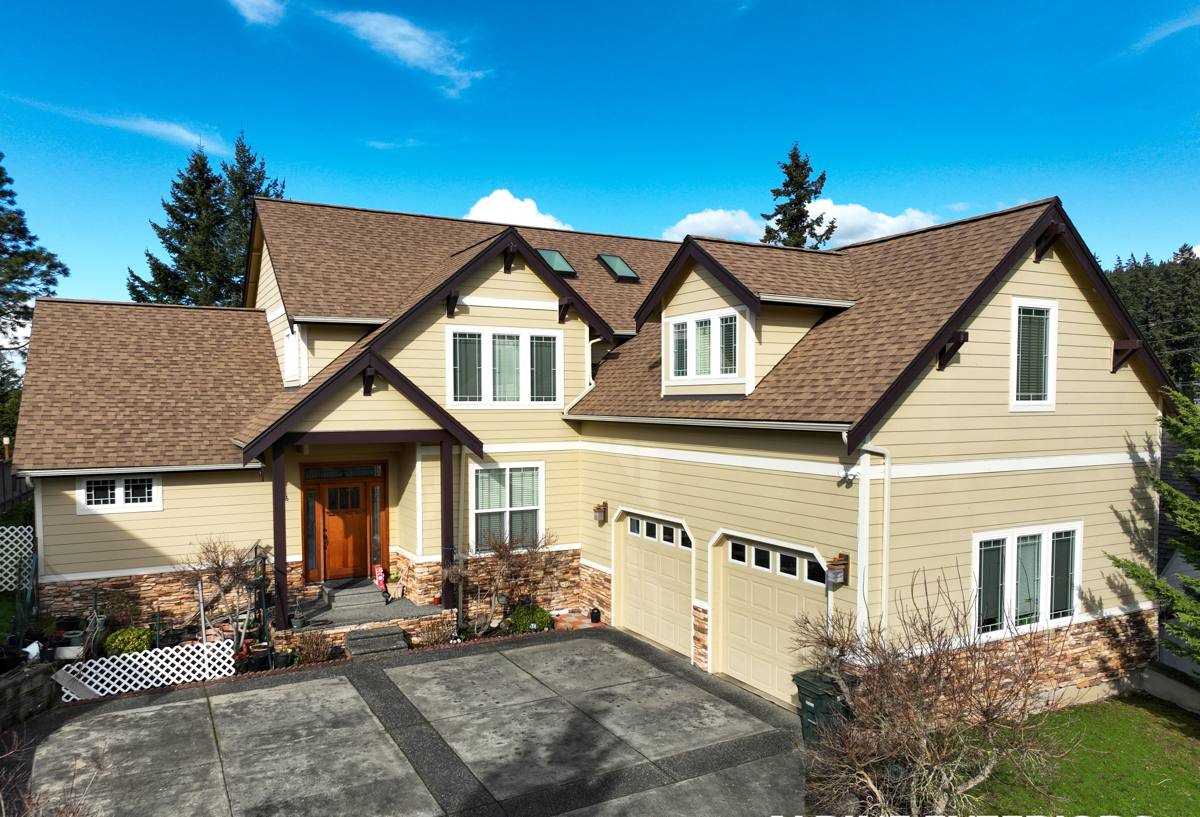
Why Bartlett Park's Housing Stock Needs Extra Attention
Like much of established South St. Petersburg, Bartlett Park has a mix of home ages and construction styles — older wood-frame bungalows and mid-century homes sitting alongside more recently updated properties. Older wood-frame construction often has original sheathing, dated or missing weather-resistive barriers, and wall assemblies that were built to a much older (or no) code standard. That's not a knock on these homes — it just means an installer needs to actually evaluate what's underneath the existing siding rather than assuming a one-size-fits-all approach will work.
When we tear off old siding on a home in this kind of neighborhood, we're checking for:
- Rotted or delaminated sheathing that needs to be replaced before new siding goes on
- Missing or degraded weather-resistive barrier (house wrap or felt)
- Improper or absent flashing around windows, doors, and roof-to-wall intersections
- Evidence of prior water intrusion — staining, soft wood, mold — that needs to be addressed, not covered up
- Wall framing that's out of plane, which affects how the new siding will sit and perform
Covering these issues with new siding instead of fixing them is one of the most common ways an installation fails early — the siding itself can be perfect and the wall behind it will still fail.
What a Correct Siding Installation Actually Involves
A proper installation is a layered system, not a single product. Each layer has a job:
The Weather-Resistive Barrier
This is the drainage plane behind the siding — it's what actually keeps bulk water out of the wall assembly if any gets past the siding itself. In a wind-driven rain environment like coastal Pinellas County, this layer matters as much as the siding on top of it.
Flashing and Penetrations
Every window, door, hose bib, vent, and light fixture that penetrates the wall is a potential entry point for water. Correct flashing — installed in the right sequence, shingle-style, so water is always directed outward and downward — is where most installation failures actually originate when they happen.
Fastening and Clearances
Fiber cement siding has specific fastener spacing, penetration depth, and clearance requirements — from grade, from roof lines, from decks — that are engineered into the manufacturer's install specs for wind resistance. Skipping these to save time is the single biggest reason a house can lose siding in a storm even when the product itself was rated to withstand it.
Joints, Caulking, and Expansion
Fiber cement expands and contracts with temperature and humidity differently than wood or vinyl. Joints need the right gap, the right backer rod where called for, and the right sealant — not just a bead of caulk run down every seam.
Why We Only Install James Hardie Fiber Cement
We don't install LP SmartSide, vinyl, Cemplank, Allura, or primed wood siding. That's a deliberate standard, not a sales pitch. In a climate that combines hurricane wind exposure, constant UV, wind-driven rain, and salt air, we've found that James Hardie's fiber cement products give the most consistent, longest-lasting result when installed correctly — and we'd rather stand behind one system we know inside and out than offer several we have reservations about.
A few specifics that matter for a home in this part of St. Petersburg:
- Non-combustible material — fiber cement doesn't feed a fire the way wood-based products can
- HZ5 formulation — Hardie engineers its siding by climate zone, and HZ5 is built for the moisture, humidity, and freeze-thaw-free conditions of the Gulf Coast, including Pinellas County
- ColorPlus factory finish — a baked-on finish applied under controlled conditions, which holds up to UV fading far better than field-applied paint and doesn't need repainting on the same cycle
- Rigidity — fiber cement doesn't warp, buckle, or ripple in heat the way vinyl can, which matters on south- and west-facing walls that take the worst of the Florida sun
- Transferable warranty — meaningful protection that carries some value if the home changes hands
We're not going to tell a homeowner that other products are worthless — plenty of them have real strengths. But when we weigh the maintenance burden, moisture behavior, and long-term performance in a coastal Florida climate against what James Hardie delivers, it's not close enough for us to put our name behind the alternatives.
Our Siding Installation Process
- On-site assessment — we look at the existing siding, sheathing condition, wall framing, and any problem areas before quoting anything
- Tear-off and substrate repair — old siding comes off, damaged sheathing gets replaced, and we don't proceed until the wall underneath is sound
- Weather-resistive barrier and flashing — installed per manufacturer specification around every window, door, and penetration
- Hardie panel or lap siding installation — fastened to spec for wind resistance, with correct clearances from grade, roofline, and trim
- Joint treatment and trim — sealant and trim work done to manufacturer detail, not shortcuts
- Final walkthrough — we go over the finished work with the homeowner before calling the job done
What Drives Cost on a Bartlett Park Installation
| Factor | Why It Matters |
|---|---|
| Substrate condition | Rotted or out-of-plane sheathing found during tear-off adds repair work before new siding can go on |
| Wall complexity | Homes with lots of corners, dormers, or trim detail take more labor and material than a simple rectangular wall |
| Existing siding layers | Removing old siding costs less when there's one layer to strip versus multiple past re-sides stacked on top of each other |
| Access and lot layout | Tight side yards, fencing, or landscaping close to the house can slow staging and material handling |
| Trim and accent choices | Board-and-batten sections, shakes, or custom trim details add cost over standard lap siding |
| Wind zone requirements | Fastening schedules and clearances are engineered to code, which affects labor time regardless of the wall itself |
What to Look For in a Siding Crew Working This Neighborhood
- Florida contractor's license and current insurance, verifiable on request
- Willingness to inspect and document sheathing condition before quoting a final price
- A written scope that specifies the weather-resistive barrier, flashing details, and fastening approach — not just "siding installed"
- Familiarity with Pinellas County permitting and wind-load requirements for exterior work
- A manufacturer-specific installation approach, not a generalized "we do all brands" pitch
- Clear answers about what happens if rot or moisture damage is found once old siding comes off
Permits and Local Code in Pinellas County
Siding installation in St. Petersburg typically requires a permit, and the work has to meet wind-load and fastening requirements set by Florida Building Code for this coastal zone. That's not paperwork for its own sake — those standards exist because homes here genuinely do get tested by hurricane-force wind, and a fastening schedule that would be fine in a calmer climate isn't adequate here. A crew that pulls permits and builds to code isn't just checking a box; they're building in the margin that keeps siding on the house during the next storm.
Why Local Experience in Bartlett Park Matters
A crew that already works in this part of St. Petersburg knows the mix of home ages here, has already seen what tends to be hiding under old siding on homes of this era, and understands the permitting process with the city and county without it becoming a delay. That familiarity shows up in fewer surprises mid-project, more accurate initial quotes, and a finished installation that's built for the specific conditions of this neighborhood rather than a generic template.
If you're weighing a siding replacement for a home in Bartlett Park, we're glad to take a look and give you a straight assessment — no pressure, no inflated scope. Request a free estimate using the form below and we'll walk the property with you and talk through what your home actually needs.