 St. Petersburg Siding
 Siding Installation Built for Pinellas Park's Climate
Pinellas Park sits inland from the open Gulf, but "inland" in Pinellas County still means salt-laden air, brutal summer UV, and the same tropical storm and hurricane exposure that the rest of the peninsula deals with. Homes here get hit with a combination few other parts of the country face: wind-driven rain that punches sideways during squalls, months of 90-degree-plus heat that bakes exterior cladding, and humidity that never really lets up. Siding that isn't matched to that combination fails early — and it usually fails from the inside out, which means the damage is often invisible until it's expensive.
We install James Hardie fiber cement siding, exclusively, on homes throughout St. Petersburg and Pinellas Park. This page covers what a siding installation project actually involves in this specific area, what correct work looks like, and why the crew doing the install matters as much as the product itself.
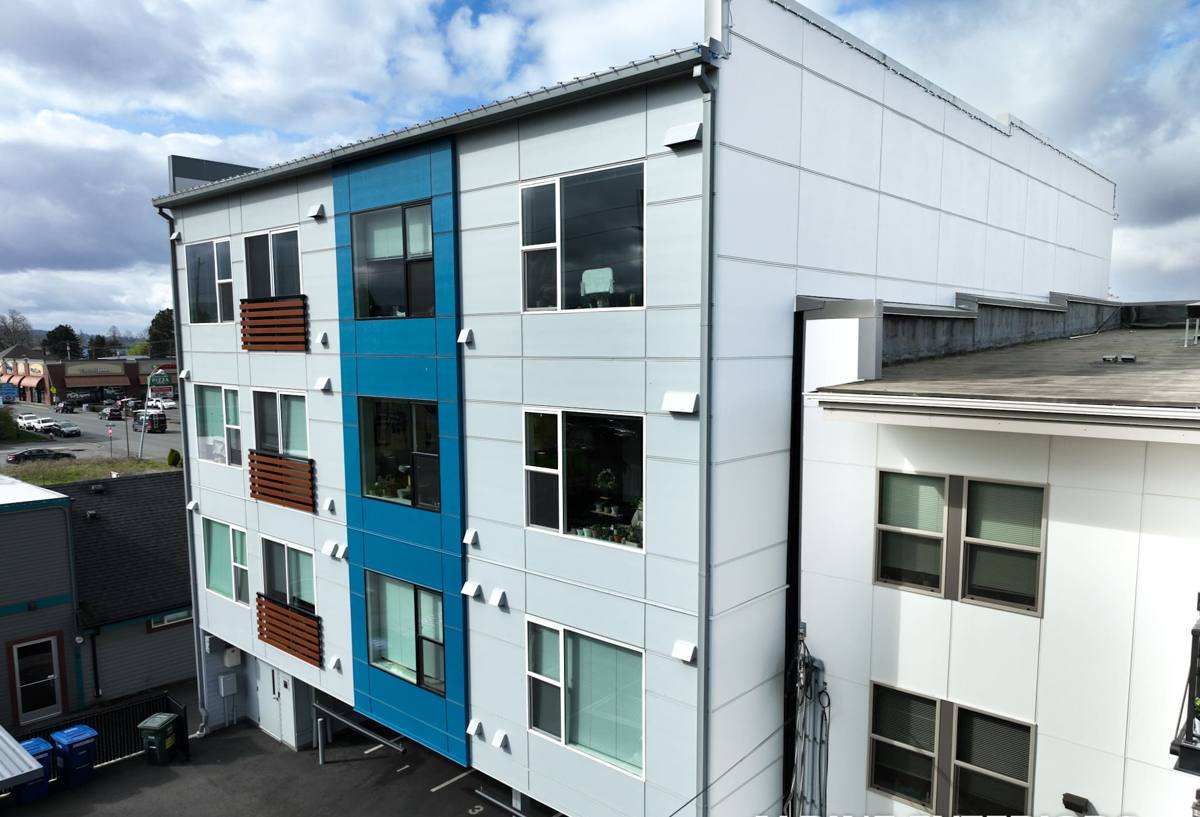
What Pinellas Park Homes Need From Their Siding
Wind and Storm Resistance
Pinellas Park homes need siding rated to hold up under sustained wind loads and wind-driven rain, not just the standard exposure ratings used for milder climates. During a tropical system, water isn't falling straight down — it's being driven horizontally into every seam, joint, and fastener point on the wall. A siding system with weak water-shedding detailing at the laps and terminations will let moisture behind the cladding long before the wind itself does structural damage.
UV and Heat Stability
Central Florida sun is relentless. Siding on a west- or south-facing wall in Pinellas Park can spend a full summer afternoon in direct, high-intensity sun. Products that rely on paint film or lower-grade coatings chalk, fade, and become brittle faster here than they would in a northern climate. That accelerates cracking, warping, and the kind of repainting cycle that eats into any savings from a cheaper material up front.
Moisture and Salt Air Tolerance
Even away from the immediate waterfront, Pinellas County's humidity and salt-carrying air work on organic and wood-based sidings continuously — not just during storms. Materials that swell, absorb moisture, or support fungal growth when wet are fighting a losing battle in this environment unless they're maintained on a strict schedule most homeowners don't have time for.
Why We Install Only James Hardie Fiber Cement
James Hardie's fiber cement is engineered specifically for the demands described above. It's non-combustible, dimensionally stable in heat and humidity swings, and resistant to moisture absorption in a way that wood-based and many engineered-wood products simply aren't. Hardie also makes a Florida-specific product formulation — their HZ5 line — engineered for high-humidity, high-moisture climates like the Gulf Coast, which is the line we spec for Pinellas Park installs.
The factory-applied ColorPlus finish is also a meaningful advantage in this climate. It's baked on under controlled conditions rather than field-applied, which gives it more consistent UV and fade resistance than a job-site paint job, and it carries its own finish warranty separate from the product warranty. For a homeowner in a market with this much sun exposure, that's not a marketing detail — it's the difference between repainting every several years and going a long stretch without touching the exterior.
We don't install LP SmartSide, vinyl, Cemplank, Allura, or unfinished wood siding. Each of those has legitimate uses in the right climate or budget, but none of them match fiber cement's combination of moisture tolerance, fire performance, and finish durability for what Pinellas Park's weather does to a house year after year. Standardizing on one product line also means our crew installs it constantly — there's no guessing on details because it's the only system we touch.
What a Correct Siding Installation Involves
Siding installation isn't just fastening boards to a wall. In this climate, the parts you don't see are what determine whether the job lasts.
- Substrate inspection: checking sheathing for existing moisture damage or rot before anything new goes up — covering a compromised wall just hides the problem
- Weather-resistive barrier: a properly lapped and sealed house wrap or building paper installed to shed wind-driven rain correctly
- Flashing at every penetration: windows, doors, vents, hose bibs, and electrical penetrations all need proper flashing so water can't track behind the siding
- Correct fastening pattern: James Hardie specifies fastener type, spacing, and placement by product line and wind exposure — this is where wind resistance is actually won or lost
- Proper clearances: gaps at grade, roofline, and decks so siding doesn't wick moisture from standing water or trapped debris
- Joint and butt-seam treatment: sealed or engineered to shed water rather than trap it
Skipping or rushing any one of these doesn't show up on day one. It shows up two or three years later as staining, soft spots, or a failed section during the next named storm.
Our Installation Process for Pinellas Park Homes
1. On-Site Assessment
We walk the home, check the current siding and substrate condition, and note anything storm-related — prior wind damage, moisture intrusion around openings, or areas that have taken more sun and weather exposure than others.
2. Product and Line Selection
We spec the appropriate James Hardie product and profile for the home — lap siding, panel systems, or trim — and the HZ5 formulation suited to this humidity zone, along with a ColorPlus finish selection.
3. Tear-Off and Substrate Prep
Old siding comes off, sheathing is inspected and repaired as needed, and any moisture or pest damage found underneath is addressed before the new system goes on.
4. Weather Barrier and Flashing
House wrap and flashing are installed and integrated correctly around every window, door, and penetration — the step most responsible for long-term performance in this climate.
5. Installation to Manufacturer Spec
Siding goes up following James Hardie's fastening, spacing, and clearance requirements for the specific product line and local wind exposure, not a generic install pattern.
6. Final Walkthrough
We review the completed work with the homeowner, cover warranty registration, and go over any basic care recommendations specific to this climate.
Cost Factors for a Pinellas Park Siding Installation
Every home is different, but the same variables drive cost on most projects in this area:
| Factor | Why It Matters Here |
|---|---|
| Home size and wall area | Directly drives material and labor volume |
| Existing siding removal | Tear-off and disposal of old material adds labor |
| Substrate condition | Rot, moisture damage, or pest issues found underneath require repair before install |
| Product line and profile | Lap width, panel style, and trim details affect material cost |
| Color and finish selection | Custom ColorPlus finishes vs. standard palette options |
| Home complexity | Multiple stories, dormers, and detailed trim work increase install time |
We give homeowners a firm, itemized estimate after the on-site assessment rather than a rough number over the phone — with a job this weather-dependent, guessing at scope from a description alone doesn't serve anyone well.
Why Hiring a Crew That Already Works Pinellas Park Matters
A crew that installs siding across St. Petersburg and Pinellas Park regularly already knows what this climate does to a house — which walls take the worst sun, where wind-driven rain finds gaps, and what substrate condition looks like on homes of the age and construction common in this area. That local repetition matters more than it sounds like it should: it's the difference between a crew following a generic installation checklist and one that's actually seen how a rushed flashing detail plays out three summers later in this exact climate.
It also means faster response if something needs a look after a storm, and a crew that's already familiar with local permitting and inspection expectations for exterior work in Pinellas County. Hiring someone unfamiliar with this specific combination of heat, humidity, and storm exposure means paying for their learning curve on your house.
Signs Your Pinellas Park Home May Need New Siding
- Visible warping, buckling, or gaps between siding boards
- Soft spots or give when pressing on the siding surface
- Peeling paint or a chalky residue that keeps returning after repainting
- Staining or discoloration that suggests moisture behind the siding
- Increased pest activity around wall penetrations or the base of exterior walls
- Rising cooling costs that may point to compromised exterior insulation and air sealing
Get an Honest Look at Your Home's Siding
If you're in Pinellas Park and dealing with aging, damaged, or storm-worn siding, we're happy to come take a look and give you a straight assessment — no pressure, no sales script. Fill out the form below for a free estimate and we'll walk you through exactly what your home needs and why.