 St. Petersburg Siding
 Siding Installation Built for Roser Park's Older Homes
Roser Park is one of St. Petersburg's oldest residential neighborhoods, and it looks the part — brick streets, mature tree canopy, and a mix of early 20th-century bungalow and Craftsman-style homes that give the area its character. That character is exactly why siding work here needs a different approach than a straightforward re-side on a newer subdivision home. Original framing, decades of prior repairs, and a shaded, humid microclimate under heavy tree cover all change what "doing it right" actually means. We install siding on homes across St. Petersburg and Pinellas County, and Roser Park's older housing stock is a category we've come to know well.
This page covers what siding installation for a Roser Park home should actually involve — not a generic overview, but the specific things that matter for a historic-era house in this neighborhood, in this climate.
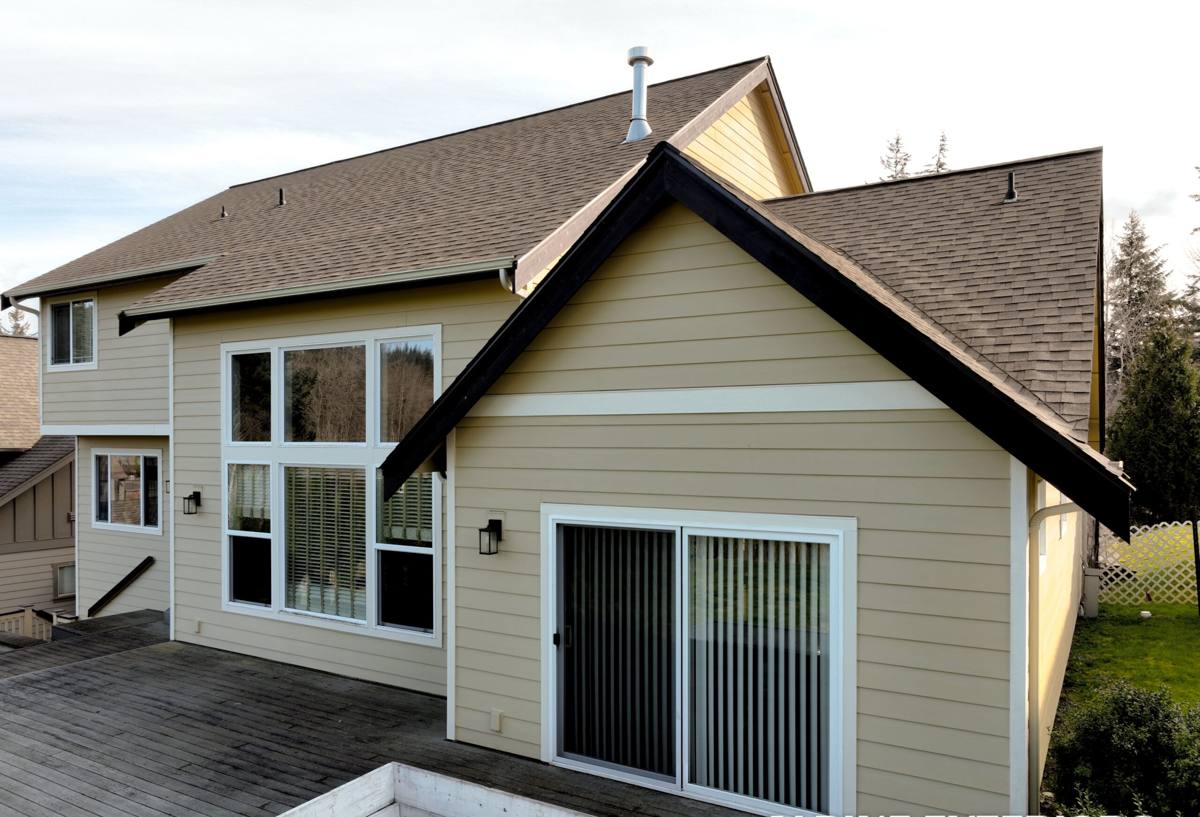
What Makes Roser Park Homes Different
Older Framing and Sheathing
Homes from the bungalow era were framed differently than today's construction, and many have been through multiple rounds of repair, additions, or re-siding over the past century. Before any new siding goes on, that substrate has to be assessed honestly — soft sheathing, old nail patterns, and uneven wall planes are common and need to be dealt with, not covered up.
Heavy Tree Canopy
The mature oak and tree canopy that gives Roser Park its charm also means more shade, more leaf litter in gutters and against wall surfaces, and slower drying after rain. Siding and the water-resistive barrier behind it need to handle that extended moisture exposure, and installation details like clearance from grade, gutters, and planting beds matter more here than on a home in full sun.
Historic District Considerations
Roser Park is a designated historic district. If your home falls under architectural review requirements, that can affect decisions like siding profile, exposure width, and color — details worth confirming with the city before work begins. We factor that into the estimate and product selection rather than treating it as an afterthought.
What St. Petersburg's Climate Does to Siding
Every home in Pinellas County deals with the same baseline conditions, but they hit older, tree-shaded homes differently than newer construction in open subdivisions.
| Climate Factor | Effect on Siding | Why It Matters More in Roser Park |
|---|---|---|
| Hurricane-force wind | Uplift and pressure on panels, loosened fasteners, edge failures | Older framing may not provide the same nailing surface consistency as modern sheathing |
| Year-round UV | Fading, chalking, and breakdown of unprotected coatings | Sun exposure varies wildly across a shaded lot — inconsistent fade patterns are common |
| Wind-driven rain | Forces water behind siding at laps, seams, and penetrations | Tree canopy slows drying time after storms, extending moisture contact |
| Salt air | Accelerates corrosion of fasteners and metal trim | Even inland from the coast, salt-laden air travels across the peninsula |
None of these factors act alone — a hurricane-driven rain event combines wind, water, and pressure all at once, which is why the installation details matter as much as the siding material itself.
What a Correct Siding Installation Actually Involves
Siding failures in this climate are rarely about the material choice alone — they're almost always about installation shortcuts. A correct job on a Roser Park home includes:
- Full removal of old siding and inspection of the sheathing underneath, with any soft or damaged wood replaced before moving forward
- A continuous, properly lapped water-resistive barrier, sealed at every seam and penetration
- Correct flashing at windows, doors, and any roof-to-wall transitions — the most common source of hidden leaks
- Manufacturer-specified fastener type, spacing, and penetration depth, not "close enough"
- Proper clearance between the bottom of the siding and grade, roofing, and decking to prevent wicking
- Correct panel gapping and caulking sequence so the assembly can handle Florida's expansion and contraction cycles
- Trim and joint treatment that sheds wind-driven rain rather than trapping it
Skipping any one of these doesn't show up on day one. It shows up two or three years later as a soft spot, a stain, or a section that's failing while the rest of the wall looks fine.
Why We Install Only James Hardie Fiber Cement
We made a decision as a company to install James Hardie fiber cement siding exclusively — not LP SmartSide, not vinyl, not Cemplank or Allura, not primed spruce or cedar. That's not brand loyalty, it's a standard we hold because of what these homes and this climate demand.
Non-Combustible
James Hardie siding is fiber cement, not wood or wood-based composite. It doesn't burn the way engineered wood products can, which matters on older homes with tight lot spacing.
Climate-Engineered Product Lines
Hardie's HZ5 product line is engineered specifically for hot, humid, high-moisture climates like ours — it's formulated and tested for the freeze-thaw-free, high-humidity, storm-prone conditions Gulf Coast Florida actually sees, rather than a one-size-fits-all national spec.
ColorPlus Factory Finish
Rather than field-painting siding after installation, ColorPlus finishes are baked on at the factory in a controlled environment, giving more consistent UV and fade resistance than a job-site paint job — a real advantage on a shaded, sun-dappled lot where uneven fading is otherwise common.
Moisture and Rot Resistance
Fiber cement doesn't absorb and swell with water the way wood or wood-composite products can, and it doesn't rot. Under a tree canopy that slows drying time after every storm, that behavior matters more than it does on a sun-baked open lot.
A Warranty That Reflects Confidence in the Product
James Hardie backs its siding with a strong, transferable limited warranty — a meaningful detail for a historic neighborhood where homes change hands and buyers want documented, transferable protection on major exterior work.
Our Process, From Estimate to Finished Job
- On-site assessment — we walk the home, check the existing siding and sheathing condition, note any historic district considerations, and measure exposure to sun, wind, and moisture
- Written estimate — product line, color, and scope laid out clearly, with siding and trim priced separately from any sheathing repair
- Tear-off and substrate repair — old siding removed, sheathing inspected, and any damaged wood replaced before anything new goes up
- Weather barrier and flashing — installed and sealed before a single piece of siding is hung
- Siding installation — installed to James Hardie's published specifications for fastening, gapping, and clearance
- Trim, caulking, and final detail work — the finishing steps that determine how the assembly performs in wind-driven rain
- Final walkthrough — we review the finished work with you before calling the job complete
Cost Factors on a Roser Park Home
Every home is different, but these are the variables that most affect the price of a siding project in this neighborhood specifically.
| Factor | Why It Affects Cost |
|---|---|
| Sheathing condition | Older homes often need some wood replacement discovered only after tear-off |
| Home size and wall complexity | Bungalow rooflines, dormers, and porches add labor and trim work |
| Siding profile and exposure | Lap width and texture affect material quantity and installation time |
| Historic district review | May influence product profile or color approval timeline, not typically total cost |
| Access and site conditions | Mature landscaping and tree canopy can affect equipment access and disposal |
We'll walk through your specific home during the estimate rather than quoting off a generic per-square-foot number — the variables above genuinely move the price, and you deserve to know why.
Why Hiring a Crew That Already Works Roser Park Matters
A crew that's worked in this neighborhood already knows what to expect before they pull the first piece of old siding: the framing quirks common to homes of this era, how the tree canopy affects drying and drainage, and what documentation a historic district review is likely to require. That familiarity shows up in fewer surprises mid-project and a tighter, more accurate estimate up front — instead of change orders once the walls are opened up.
It also matters for permitting and inspection. St. Petersburg's building department and any applicable historic district guidelines have specific expectations, and a contractor who's already navigated them for other homes nearby moves through that process faster than one encountering it for the first time.
Maintenance After Installation
Correctly installed James Hardie siding is low-maintenance, not no-maintenance. A few habits keep it performing well long-term:
- Rinse siding periodically to clear salt residue and tree debris, especially after storms
- Keep gutters clear so water isn't overflowing onto wall surfaces
- Trim back vegetation and tree limbs that hold moisture against the siding
- Re-caulk trim joints if you notice gaps opening up over time
- Have caulking and flashing points checked periodically, particularly after major storms
If you own a home in Roser Park and you're weighing a siding replacement, we're happy to take a look and give you a straightforward, no-pressure estimate — no invented urgency, just an honest read on what your home needs. Use the form below to get started.