 St. Petersburg Siding
 Disston Heights Sits in One of Florida's Toughest Testing Grounds for Siding
Disston Heights is an established St. Petersburg neighborhood built out mostly with mid-century homes, and that housing stock has now spent decades absorbing everything Pinellas County's climate can throw at it. Hurricane-force wind events, punishing year-round UV, wind-driven rain that gets pushed sideways into wall assemblies, and a steady dose of salt air off Tampa Bay don't just age siding cosmetically — they attack the material and the fasteners holding it on. A siding panel that looks fine from the sidewalk can be hiding rot, corroded fasteners, or a moisture path that's been feeding damage behind the wall for years.
Because so many Disston Heights homes are older, they were sided at different points in time with whatever product was standard at the time — old vinyl, wood, hardboard, or early fiber cement. That mix matters when something needs repair, because a patch that doesn't match the existing material's profile, thickness, or finish will stand out and can behave differently in the weather than the panels around it. Repair work here isn't a generic task; it's specific to what's already on the wall and what this climate has done to it.
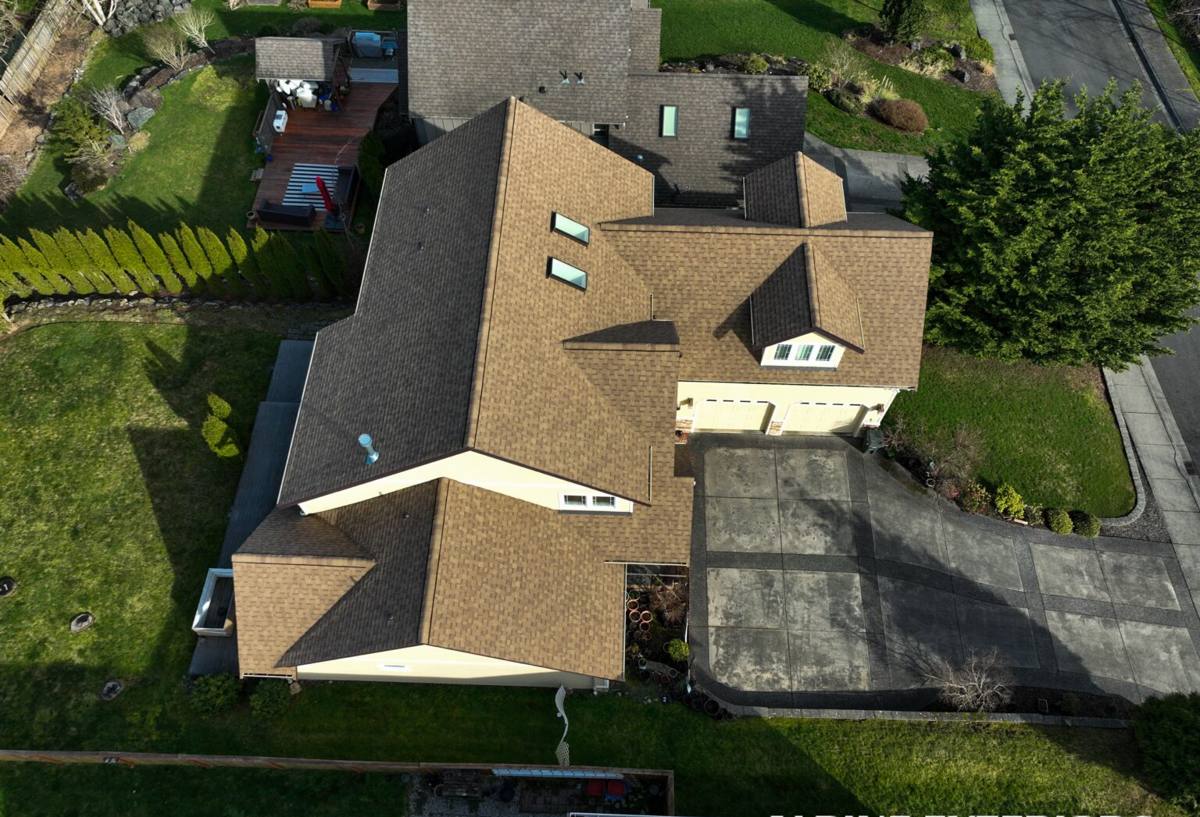
Warning Signs Disston Heights Homeowners Shouldn't Ignore
Siding damage in this climate rarely announces itself with a hole in the wall. It usually starts small and gets worse every hurricane season it goes unaddressed. Here's what to check for, especially after a windstorm or a stretch of hard rain:
- Cracked, split, or buckled panels, particularly on the sides of the house that catch the most sun and wind-driven rain
- Soft or spongy spots when you press on the siding, which usually means moisture has already gotten behind it
- Visible gaps or separation at seams, corners, or around window and door trim
- Peeling, bubbling, or chalky paint — a sign the surface coating has broken down under UV exposure
- Streaking, dark staining, or mildew that keeps coming back no matter how often it's cleaned
- Nail heads popping through the surface or visible rust bleeding from fasteners
- Warped or wavy sections that weren't there a year or two ago
- Higher cooling bills or noticeably warmer interior walls, which can point to moisture-damaged insulation behind the siding
Any one of these on its own might be minor. Several together, especially after a named storm, usually means water has found a way in and the damage is spreading faster than it looks.
What a Correct Siding Repair Actually Involves
Finding the Real Cause, Not Just the Symptom
A siding repair that only replaces the visibly cracked panel and stops there is a repair that's likely to fail again. Damage almost always has a cause — a failed seal at a penetration, a flashing detail that was never installed correctly, a gutter dumping water against a wall, or simple age and UV breakdown of the material itself. Before any panel comes off, we look at why that section failed. If the cause isn't addressed, the new material goes right back into the same failure conditions.
Matching Material, Profile, and Finish
Once the cause is identified, the repair has to match what's already on the house — or, where it makes sense, transition cleanly to a better product. Mismatched panel width, exposure reveal, or texture is one of the most common signs of an amateur repair, and it's usually avoidable with the right prep work and product knowledge.
Flashing and Sealing Come First
Siding is a system, not just a surface. Correct water management — house wrap, flashing at every penetration and transition, properly lapped seams, and sealant only where it belongs — does more to prevent the next repair call than the siding material itself. We treat this step as non-negotiable, even on a small patch job, because it's the part that fails silently and causes the most expensive damage later.
Repair or Replace? How We Help You Decide
Not every damaged section needs a full re-side, and not every homeowner needs to be sold a bigger job than they actually have. The table below covers the factors we walk through on a Disston Heights repair estimate.
| Factor | Leans Toward Repair | Leans Toward Replacement |
|---|---|---|
| Extent of damage | Isolated to one or two sections/elevations | Spread across multiple walls or the whole house |
| Underlying moisture | Localized, caught early | Widespread rot in sheathing or framing |
| Age of existing siding | Newer material, still within useful life | Original siding decades old, near end of service life |
| Material match availability | Same or comparable profile still obtainable | Discontinued profile that can't be matched cleanly |
| Storm history | First real damage after years of stability | Repeated storm damage to the same areas |
| Homeowner's timeline | Wants a fix now, replacement later | Ready to solve it permanently in one project |
We'll give you a straight answer either way. If a targeted repair genuinely solves the problem, that's what we'll recommend — a bigger sale isn't worth a homeowner losing trust in the estimate.
Why We Repair With James Hardie Fiber Cement — and Are Selective About What Else We'll Patch
Our company installs James Hardie fiber cement exclusively — we don't install LP SmartSide, vinyl, Cemplank, Allura, primed spruce, or cedar. That standard shapes how we approach repair work too. When an existing wall is already Hardie, repairs are straightforward: the material holds its factory ColorPlus finish, resists moisture intrusion, and is non-combustible, so a well-matched patch behaves the same as the surrounding panels for decades.
When a Disston Heights home has an older or different material — vinyl that's brittle from UV exposure, hardboard that's swelling at the seams, or wood that's rotting from wind-driven rain — we'll still assess it honestly. Some of these can be patched competently as a stopgap. Others have reached a point where a quality repair isn't realistic because the material itself has broken down system-wide, not just at the damaged spot. In those cases, we'll tell you plainly rather than sell a patch we don't think will hold, and we'll explain why we'd recommend transitioning to Hardie fiber cement when the time comes: it's engineered for exactly the humidity, UV, and storm exposure this coast produces, backed by a strong transferable warranty, and it doesn't carry the ongoing maintenance burden that wood or older composite sidings do in salt air.
Our Disston Heights Siding Repair Process
- On-site inspection — we look at the damaged area and the wall assembly behind it, not just the surface
- Cause diagnosis — identifying the water path, structural issue, or material failure driving the damage
- Honest repair-vs-replace recommendation — in writing, with the reasoning explained
- Material sourcing and matching — pulling the closest available match, or proposing a clean transition point if an exact match isn't possible
- Removal and structural check — pulling damaged panels and inspecting sheathing and framing underneath before anything new goes on
- Proper water management rebuild — house wrap, flashing, and sealant details corrected, not just recovered
- Installation to manufacturer spec — correct fastening, spacing, and reveal so the repair performs like the rest of the wall
- Final walkthrough — reviewing the completed work with the homeowner before we consider the job done
Why a Crew That Already Works This Neighborhood Matters
Siding repair in an established St. Petersburg neighborhood like Disston Heights isn't the same as repair work in a new subdivision with uniform, recently built homes. The housing stock here spans different decades and different original materials, so a crew needs to recognize what they're looking at before they can repair it correctly. A contractor who's already worked on homes in this part of Pinellas County has seen how local exposure — proximity to the bay, tree canopy, roof and gutter layouts common to the area — tends to concentrate damage in predictable spots, which speeds up diagnosis and keeps the repair estimate accurate instead of padded with guesswork.
There's also a practical, storm-season reason to hire local: when wind and rain damage hits after a tropical system, response time matters. A crew that already has a working relationship with Disston Heights and the surrounding St. Petersburg area can get to an exposed wall faster, which limits how much additional water gets into the structure while repairs are scheduled.
Keeping a Repair From Becoming a Repeat Job
A repair done correctly should hold up through normal Florida weather, but a few habits on the homeowner's side extend that further:
- Keep gutters clean and properly pitched so water isn't dumping directly against a wall
- Trim vegetation and trees back from siding to reduce trapped moisture and physical abrasion during wind events
- Rinse siding periodically to clear salt residue and mildew before either gets a foothold
- Walk the exterior after major storms and note any new cracks, gaps, or soft spots early
- Re-caulk around windows, doors, and penetrations as sealant ages — it has a shorter service life than the siding itself
- Address small repairs promptly rather than waiting for the next season, since minor damage compounds quickly in this climate
If your Disston Heights home has siding damage — whether it's a single storm-cracked panel or something you've been meaning to have looked at for a while — we're happy to come take a look and give you a straight, no-pressure assessment. Fill out the form below for a free estimate.