 St. Petersburg Siding
 Siding Replacement in Gulfport: What This Waterfront Community Needs
Gulfport sits right on Boca Ciega Bay, and that location is exactly what makes it such an appealing place to live — and exactly why the siding on Gulfport homes takes a harder beating than siding a few miles inland. Bay-facing exposure means near-constant airflow off the water, and that airflow carries salt, moisture, and grit that settle into every seam, joint, and fastener hole in a home's exterior. Add in Pinellas County's intense year-round UV load and the wind-driven rain that comes with every strong storm system, and you have a climate that is genuinely tough on building materials, not just uncomfortable to live in.
A lot of Gulfport's housing stock is older — bungalows, mid-century homes, and cottages that have been added onto, re-sided, or patched more than once over the decades. That history matters when it's time to replace siding, because what's underneath the surface (old fastener patterns, layered materials, sheathing that's been wet before) affects what a correct replacement actually requires. This page focuses on that one job — full siding replacement, done right, for homes in Gulfport specifically.
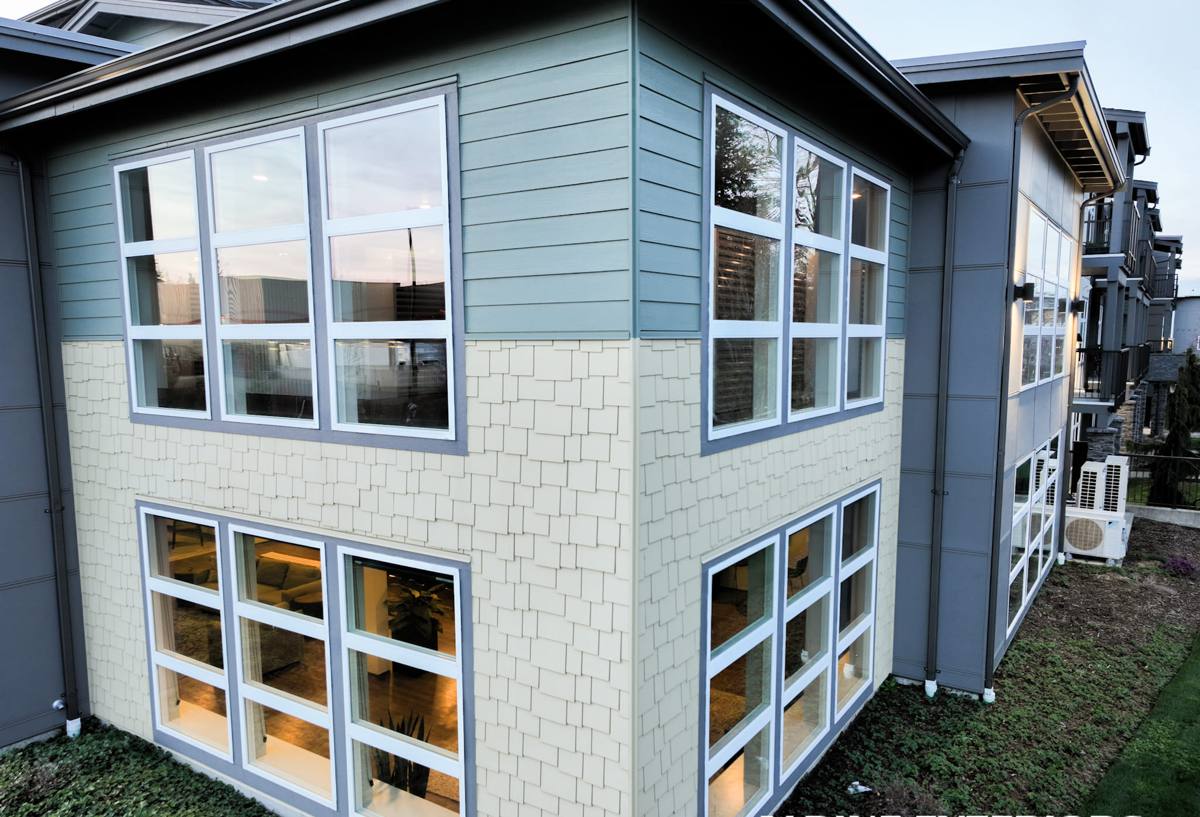
Why Gulfport's Climate Wears Down Siding Faster
Salt Air and Bay Wind
Homes closer to the water take in more airborne salt than homes further inland, even within the same city. Salt is corrosive to metal fasteners and trim, and it's abrasive to painted and coated surfaces over time. Combined with steady bay breezes, that salt gets driven into every gap in a siding system rather than just settling on the surface.
UV Exposure
Florida's sun is intense for most of the year, and UV breaks down pigments and surface coatings on siding faster than in most parts of the country. Materials that aren't engineered for this kind of sun exposure tend to fade, chalk, or become brittle well ahead of their expected lifespan.
Wind-Driven Rain
It's not just rainfall totals that matter — it's the direction and force behind the rain during Gulf storms. Wind-driven rain gets pushed sideways and upward into laps, joints, and penetrations that would stay dry in a normal rain event. Siding and the water-resistive barrier behind it both have to be installed to handle that reality, not just vertical rainfall.
Storm Wind Loads
Gulfport, like the rest of Pinellas County, falls under Florida's high-velocity wind design requirements. Siding has to be rated and fastened for those wind speeds — this isn't optional or cosmetic, it's a structural performance requirement built into the products and the installation method.
Signs a Gulfport Home Needs Full Replacement, Not a Patch
Not every siding problem calls for a full tear-off. But in a climate like this, patch jobs often mask a bigger issue underneath, and homeowners deserve an honest answer about which situation they're in.
- Soft or spongy spots when you press on the siding, especially near the bottom courses or around windows and doors
- Visible warping, buckling, or separation at seams and corners
- Paint that won't hold — repeated peeling or bubbling within a year or two of repainting
- Persistent staining, streaking, or a musty smell along exterior walls
- Siding that's original to a home built decades ago and has already been patched multiple times
- Visible fastener corrosion or popped nails/screws, especially on the bay-facing side of the house
If more than one or two of these apply, a full replacement is almost always the more honest recommendation than another round of caulk and paint.
What a Correct Siding Replacement Actually Involves
Tear-Off and Sheathing Inspection
Full replacement starts with removing the old siding completely, not installing over it. That step matters because it's the only way to actually see the wall sheathing underneath. In a bay-exposed, high-humidity environment, hidden rot or moisture damage behind old siding is common enough that skipping this inspection is a real risk — any soft or compromised sheathing needs to be repaired before new siding goes on, or the new system is going over a bad foundation.
Water-Resistive Barrier and Flashing
A correctly installed weather-resistive barrier (house wrap) goes over the sheathing, with flashing detailed around every window, door, and penetration. Given how much wind-driven rain this area sees, flashing details are not a place to cut corners — most of the moisture problems we find in older homes trace back to flashing that was missing, reversed, or improperly lapped.
Fastening for Wind Zone
Siding has to be fastened according to the manufacturer's specification for the local wind zone, using the correct fastener type, spacing, and embedment. Under-fastened siding might look fine for a few years and then fail during the first serious wind event — this is one of the most common corner-cutting mistakes we see when correcting other contractors' work.
Product Selection for This Climate
We install James Hardie fiber cement siding, engineered in a version specifically built for hot, humid, coastal climates like ours (Hardie's HZ5 product line). It's non-combustible, holds up to moisture far better than wood-based products, and its factory-applied ColorPlus finish is built to resist the fading that comes with year-round Florida UV.
Our Process for a Gulfport Siding Replacement
- On-site assessment — we walk the exterior, check for soft sheathing, evaluate existing flashing and drainage, and talk through what we're seeing in plain language.
- Written scope and estimate — a clear breakdown of what's being replaced, what sheathing repair (if any) is anticipated, and the product and color options that fit the home.
- Permitting — siding replacement in Pinellas County requires permitting, and we handle that process rather than leaving it to the homeowner.
- Tear-off and prep — full removal of old materials, sheathing repair where needed, and correct installation of the water-resistive barrier and flashing.
- Hardie installation to spec — installed per manufacturer requirements for fastening, clearances, and joint treatment, matched to the local wind zone.
- Final walkthrough — we go over the finished work with the homeowner before considering the job complete.
Why We Only Install James Hardie
We get asked fairly often about vinyl, LP SmartSide, or cedar, and we're upfront about why we don't install them. In a bay-exposed environment like Gulfport, vinyl can warp under sustained heat and sun, and it doesn't offer the same fire resistance or impact durability as fiber cement. Wood-based siding, including LP SmartSide and traditional cedar, needs a level of ongoing maintenance and moisture vigilance that's a tougher ask in a climate that stays humid most of the year. James Hardie fiber cement is non-combustible, engineered specifically for climates like ours, and backed by a strong transferable warranty when installed to specification. That combination is why it's the only product we put on homes.
Cost Factors for Gulfport Siding Replacement
| Factor | Why It Affects Cost |
|---|---|
| Home size and wall complexity | More square footage, corners, and architectural detail means more material and labor |
| Sheathing condition | Rot or moisture damage found during tear-off requires repair before new siding goes on |
| Existing siding material | Removing multiple old layers or heavier materials takes more labor than a single layer |
| Trim and accessory work | Fascia, soffit, and trim replacement alongside siding adds scope but improves the finished result |
| Product profile and color | Lap width, texture, and ColorPlus finish selection affect material pricing |
| Access and site conditions | Waterfront lots, tight setbacks, or limited access can affect labor time |
We don't quote a number without seeing the home — anyone offering a firm price over the phone for a full replacement is skipping the inspection step that actually determines the scope.
Living With Hardie Siding in Gulfport's Climate
Once correctly installed, fiber cement siding is genuinely low-maintenance compared to wood or vinyl alternatives, but "low-maintenance" doesn't mean "no maintenance." A simple annual rinse to remove salt buildup and organic growth, a periodic check of caulking at joints and penetrations, and prompt attention to any impact damage will keep the system performing the way it's designed to. Because the ColorPlus finish is factory-applied and baked on, homeowners generally aren't repainting on the same short cycle that older painted siding often demanded in this climate.
Why Hiring a Crew That Already Works Gulfport Matters
A contractor who regularly works in this part of St. Petersburg already understands the local permitting process, the wind-zone fastening requirements that apply here, and the specific moisture and salt exposure that bay-facing homes deal with. That's different from a crew treating every job the same regardless of location. Gulfport's mix of older homes and waterfront exposure means the sheathing inspection, flashing detail, and product choice all deserve more attention than a standard inland replacement — and a crew that's done this work here before knows what to look for before the first piece of old siding even comes off.
If you're weighing a siding replacement for a Gulfport home, we're glad to come take a look and give you a straight answer about what your home actually needs. Reach out for a free, no-pressure estimate using the form below.