 St. Petersburg Siding
 Asphalt Shingle Roofing for Historic Old Southeast
Historic Old Southeast sits close enough to the water that every roof in the neighborhood is doing double duty: shedding Florida's heavy seasonal rain and standing up to salt-laden air moving in off Tampa Bay. Add in the older housing stock that makes up much of this part of St. Petersburg — bungalows, Craftsman-style homes, and mid-century additions with roof decks that have been patched and repatched over the decades — and you have a neighborhood where "just re-shingle it" often isn't as simple as it sounds. We install and repair asphalt shingle roofs on Old Southeast homes with that history in mind, not a one-size-fits-all approach pulled from a newer subdivision across town.
This page covers what asphalt shingle roofing actually needs to hold up in this specific part of Pinellas County, what we check before we ever quote a job, and how our process is built around the realities of working on older homes near the coast.
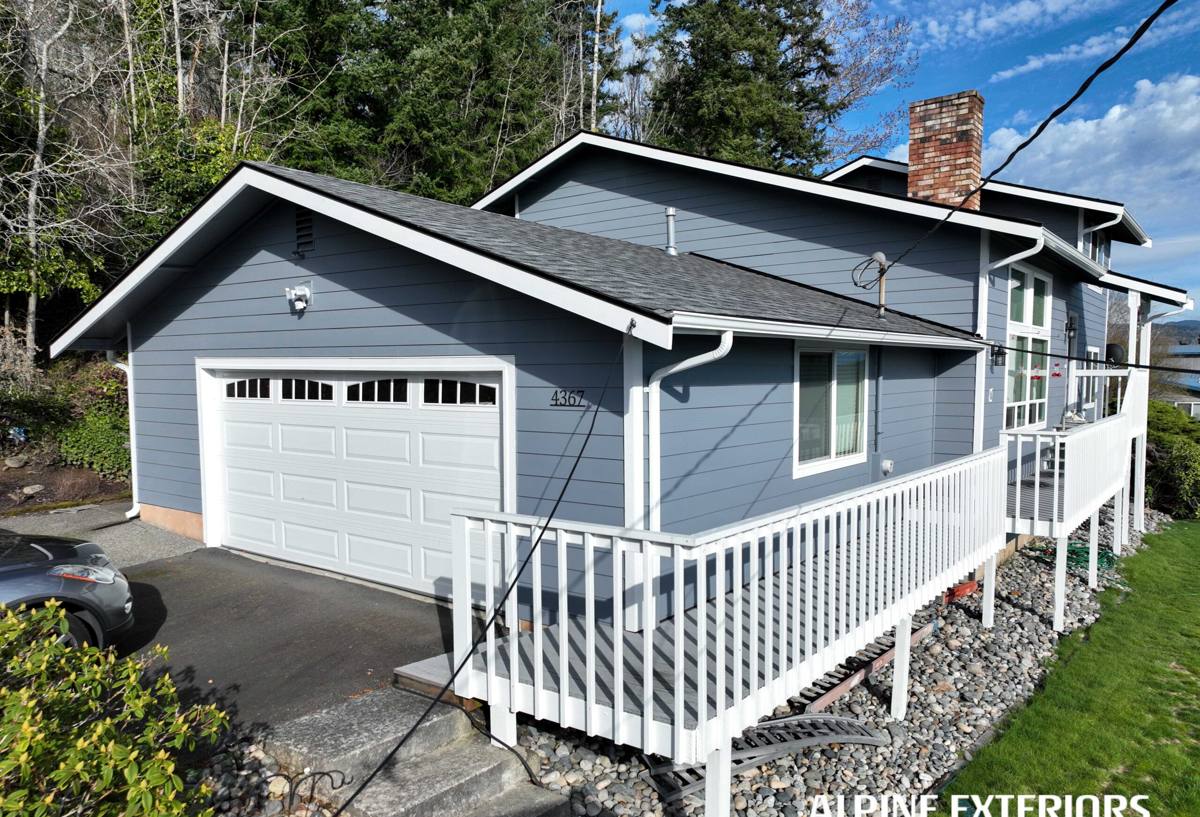
Why This Neighborhood Is Hard on a Shingle Roof
Every roof in St. Petersburg deals with sun, rain, and wind. What makes Old Southeast a bit tougher is the combination and the age of the housing:
- Salt air exposure: proximity to the bay accelerates corrosion on exposed metal fasteners, flashing, and vent stacks — the parts of a roof that fail long before the shingles themselves wear out.
- Intense, year-round UV: Florida sun bakes the asphalt in shingles, driving off oils and granules faster than in most of the country, which shortens usable roof life if the shingle line and ventilation weren't matched to this climate.
- Wind-driven rain: storms here rarely fall straight down. Wind pushes rain sideways and up under shingle edges, so a roof that would be fine in a calmer climate can leak here if the underlayment and sealing details are off.
- Hurricane-force wind events: Pinellas County sits in a wind-borne debris region, and roofs need shingles, nailing patterns, and starter courses rated and installed to hold under uplift, not just look right on a calm day.
- Older roof decks: many homes in this neighborhood have original or older sheathing underneath prior roofing layers. Fasteners that don't bite solid wood, or decking that's soft from old leaks, undermine even a top-tier shingle.
None of this means asphalt shingles are the wrong choice for the area — they're still the most cost-effective, widely available, and easily repaired roofing option for most homes here. It means the installation has to account for these conditions instead of ignoring them.
What a Correct Asphalt Shingle Job Actually Involves
The Deck Comes First
Before a single shingle goes down, the roof deck gets inspected for soft spots, delamination, and nail pull-through — especially around older penetrations like chimneys or plumbing stacks that may have leaked quietly for years. On a home in Old Southeast, we treat deck inspection as a required step, not an upsell, because covering a compromised deck with new shingles just delays a bigger repair.
Underlayment Matched to the Climate
A synthetic or self-adhered underlayment gives the deck a second line of defense against wind-driven rain, which matters more here than in drier, calmer regions. In vulnerable areas — valleys, low-slope sections, and eaves — we use enhanced underlayment designed to resist wind-driven water intrusion, not just standard felt.
Flashing and Fasteners That Won't Corrode Early
Given the salt air, we pay close attention to flashing material and fastener corrosion resistance around chimneys, walls, and roof-to-wall transitions. Cutting corners here is one of the most common reasons an otherwise good shingle roof starts leaking within a few years near the coast.
Wind-Rated Shingle Installation
Shingle uplift resistance depends as much on the installation as the product rating on the wrapper. Correct nail placement (not staples), the right number of fasteners per shingle, and a properly sealed starter strip along eaves and rakes are what actually keep shingles attached in a wind event — this is where a lot of underbid roofing jobs quietly cut corners.
Ventilation
Poor attic ventilation traps heat and moisture, which shortens shingle life and can void manufacturer warranties. We check intake and exhaust balance as part of any full roof replacement, not as a separate line item people skip to save money.
Signs an Old Southeast Roof Needs Attention
- Granules collecting in gutters or at the base of downspouts
- Curling, cupping, or cracked shingles, especially on the sun-exposed side of the roof
- Dark streaking or algae growth across large sections of shingle
- Soft spots or sagging when walked (we check this, not something to test yourself)
- Rust staining around flashing, vent boots, or exposed fasteners
- Daylight visible through the attic decking or water stains on interior ceilings
- Missing shingles or exposed nail heads after a storm
Any one of these on its own might just mean a minor repair. Several at once usually means it's time to talk about full replacement before a small problem becomes a water-intrusion problem.
Repair vs. Full Replacement: How We Help You Decide
| Factor | Repair Usually Makes Sense | Replacement Usually Makes Sense |
|---|---|---|
| Age of roof | Under 10-12 years, isolated damage | Approaching or past the shingle's rated lifespan |
| Extent of damage | Localized — one slope, one penetration, storm-related | Widespread granule loss, curling across multiple slopes |
| Deck condition | Solid, no soft spots found | Soft decking, rot, or repeated leak history |
| Number of past repairs | First or second repair on this roof | Roof has a long patch history already |
| Matching shingles | Discontinued color/line not a major concern | Original shingle line no longer available, patches will stand out |
We'll walk you through where your roof actually falls on this table before recommending either option — there's no reason to replace a roof that has years of good life left in it, and no reason to keep patching one that's past that point.
Our Process on an Old Southeast Job
- On-site inspection: we get on the roof, check the deck from the attic side where possible, and document actual condition instead of guessing from the ground.
- Written estimate: a clear scope covering tear-off (if applicable), decking repairs if needed, underlayment type, shingle line, flashing work, and ventilation — no vague allowances.
- Material delivery and staging: we plan around the property — older Old Southeast lots and narrow streets sometimes mean tighter staging than a newer subdivision, and we account for that upfront.
- Tear-off and deck repair: old roofing removed down to the deck, damaged sheathing replaced and documented, not covered over.
- Underlayment, flashing, and shingle installation: installed to the wind-rated specifications appropriate for our coastal wind zone, not the manufacturer's bare minimum.
- Final walkthrough: we review the finished roof with you, including any flashing or ventilation changes made, before calling the job done.
Why a Crew That Already Works This Neighborhood Matters
Roofing crews that mainly work newer construction across the county sometimes treat an older Old Southeast home the same as a ten-year-old build in a newer development — same deck assumptions, same fastening approach, same underlayment package. That mismatch is where problems start. A crew that regularly works in this part of St. Petersburg knows to expect older decking, knows which flashing details tend to fail first near the bay, and prices the job around what's actually under the old roof rather than what's typical elsewhere.
We also factor in Pinellas County permitting and inspection requirements as a normal part of scheduling a job here, not an afterthought that delays your project.
What to Ask Before Hiring Anyone for This Work
- Will you inspect the deck before quoting, or only after tear-off has already started?
- What underlayment are you using in valleys and low-slope areas specifically?
- What's your nailing pattern and fastener spec for our wind zone?
- Are you licensed and insured to work in Pinellas County, and can you provide proof?
- Will the estimate be in writing with materials and scope spelled out, not just a total price?
A contractor who answers these plainly, without hedging, is one worth trusting with a roof over your head — literally.
Get a Straight Answer on Your Roof
If you're in Historic Old Southeast and dealing with an aging shingle roof, storm damage, or just want an honest read on how much life is left in what's up there, we're happy to take a look. The estimate is free, there's no pressure to sign anything on the spot, and you'll get a clear explanation of what we find — repair, replacement, or "you're fine for now." Fill out the form below to get started.