 St. Petersburg Siding
 Why St. Pete Beach Homes Are Hard on Siding
St. Pete Beach sits on a barrier island, which means every exterior surface on the house is dealing with conditions that homes even a few miles inland don't see to the same degree. Salt-laden air moves off the Gulf of Mexico and settles on siding, trim, and fasteners day after day. Summer UV is intense and constant, not seasonal, so anything that can fade, chalk, or become brittle gets tested year-round. Add wind-driven rain during the wet season and the real risk of hurricane-force gusts, and you have a short list of the toughest conditions a siding product can face anywhere in the country.
None of this means siding is a lost cause here — it means the material and the installation have to be matched to the environment on purpose, not by default. That's the whole point of this page: what fiber cement siding needs to do correctly on a St. Pete Beach home, and what it takes to get that right.
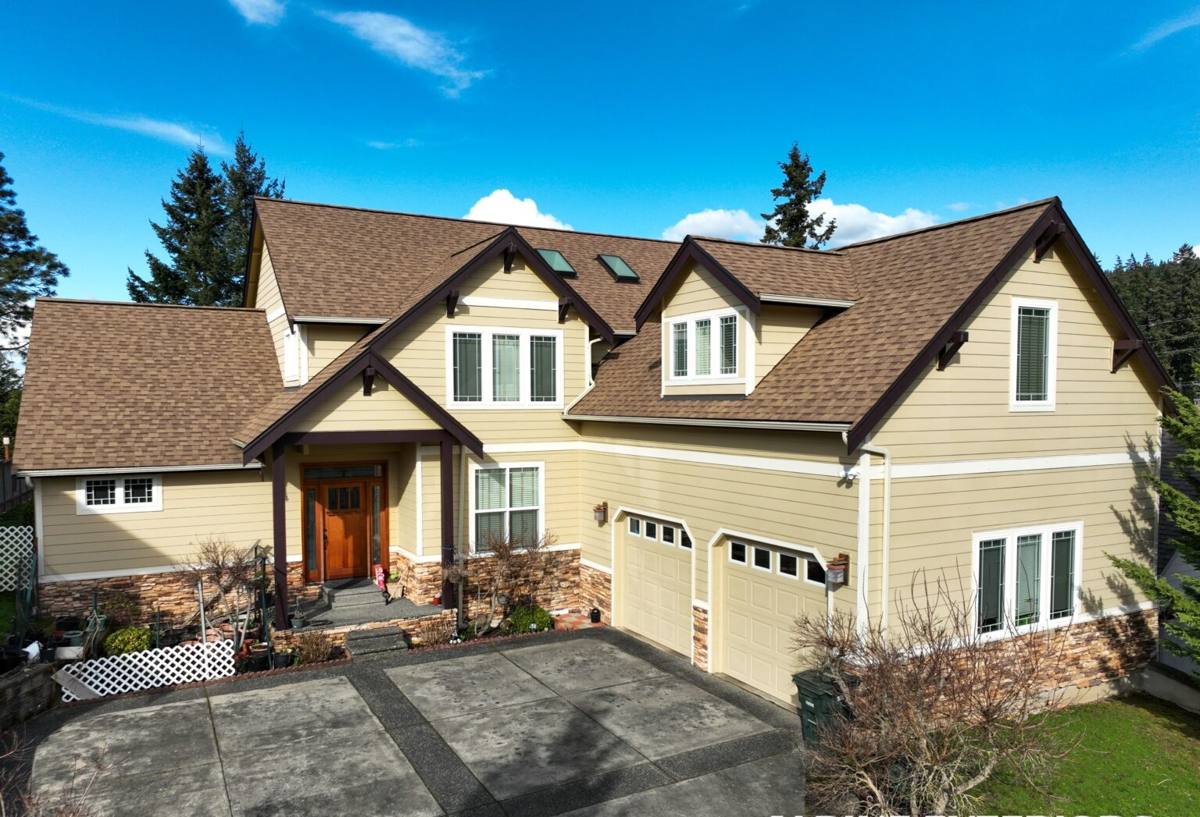
Why We Only Install James Hardie Fiber Cement
We get asked fairly often why we don't offer vinyl, LP SmartSide, cedar, or other fiber cement brands like Cemplank or Allura. The honest answer is that we standardized on James Hardie because, of the options on the market, it's the one we're comfortable putting our name behind in this specific climate.
Vinyl softens, warps, and can crack in direct, sustained heat, and it isn't rated to stand up to the wind speeds Gulf-coast homes need to plan for. Engineered wood products like LP SmartSide perform well in many parts of the country but rely on factory treatments and careful field sealing to resist moisture — a tall order in a place with this much humidity and salt exposure. Cedar and primed wood look great on day one but demand a maintenance schedule (repainting, resealing, pest treatment) that most homeowners underestimate until year three or four. Other fiber cement brands aren't necessarily bad products — we simply don't have the same track record, factory finish system, or manufacturer support with them that we have with Hardie, and we'd rather specialize in one system and install it well than spread ourselves across several we know less deeply.
Fiber cement itself is non-combustible, doesn't attract termites, and holds its shape in heat and humidity far better than vinyl or wood. That's the category we work in. James Hardie is the brand within that category we've chosen to stand behind.
The Product Lines We Use Locally
Hardie makes several siding profiles — lap siding (the classic horizontal board look), HardiePanel for vertical or board-and-batten styles, HardieShingle for accent areas, and trim boards to match. For St. Pete Beach specifically, we spec Hardie's HZ5 climate-engineered formulation, which is built for hot, humid, high-moisture regions like ours rather than the HZ10 formulation made for freeze-thaw climates up north. The boards come pre-finished with Hardie's ColorPlus factory finish — baked-on color that resists fading and doesn't need repainting on the same schedule as field-painted siding.
What "Correct" Looks Like on a Coastal Install
Fiber cement is only as good as the installation underneath it. Most of the siding failures we get called out to inspect on the island aren't the material's fault — they're installation shortcuts that a coastal environment exposes faster than an inland one would. A correct job involves several things that are easy to skip and hard to spot once the siding is up:
- Corrosion-resistant fasteners — hot-dipped galvanized or stainless steel nails, matched to salt-air exposure, not standard fasteners that will bleed rust through the finish within a couple of years.
- Correct clearances — siding held above roof lines, decks, and grade per Hardie's published instructions, so water has somewhere to go instead of wicking into the board's cut edges.
- Proper flashing and water-resistive barrier — a weather barrier behind the siding and flashing at every window, door, and penetration, installed in the right shingle-lap order so water sheds outward instead of behind the cladding.
- Factory-cut edges sealed — any field cuts get primed or sealed per manufacturer spec before installation, since a raw cut edge is where moisture intrusion typically starts.
- Correct fastening pattern and gaps — nailing per Hardie's wind-zone requirements, with expansion gaps at joints so panels aren't fighting themselves during temperature swings.
Skip any one of these and the siding can still look fine for a season or two. On a barrier island, the gap between "looks fine" and "actually performing" shows up faster than almost anywhere else in Florida.
Material Comparison for Salt-Air, High-Wind Exposure
| Factor | James Hardie Fiber Cement | Vinyl Siding | Wood / Engineered Wood |
|---|---|---|---|
| Salt air resistance | Strong — cement composite doesn't corrode; factory finish resists staining | Moderate — can chalk and discolor faster near salt spray | Weak without diligent sealing and repainting |
| Wind performance | Engineered and tested for high-wind installation per manufacturer specs | Lower wind ratings; more prone to cracking or blow-off in gusts | Depends heavily on fastening; panels can lift if sealing fails |
| UV / fade resistance | ColorPlus factory finish holds color under constant sun exposure | Can fade and become brittle under sustained heat | Paint/stain fades and needs recoating on a regular cycle |
| Moisture behavior | Doesn't rot; needs correct flashing/clearances to manage water | Doesn't absorb water but seams can trap moisture behind panels | Absorbs moisture if finish fails; rot risk in humid climates |
| Typical maintenance | Occasional rinse; repaint only if ever desired, not required for years | Low, but replacement panels can be hard to color-match over time | Regular repainting/resealing and periodic pest checks |
Our Process, Start to Finish
Assessment and Estimate
We walk the exterior, check the current siding and the sheathing underneath where it's accessible, and talk through what's driving the replacement — age, storm damage, moisture issues, or just wanting something that will hold up better going forward. You get a written estimate that spells out the Hardie products, colors, and scope, not a vague number.
Prep and Tear-Off
Old siding comes off, and we inspect the sheathing and framing underneath for any rot or water damage before anything new goes up. This step matters everywhere, but especially here — covering up a moisture problem with new siding just hides it for a while.
Weather Barrier and Flashing
A new water-resistive barrier goes on, along with flashing at every window, door, and penetration point, before a single piece of siding is installed.
Installation to Manufacturer Spec
Hardie boards go up with the correct fasteners, clearances, and fastening pattern for our wind zone, following James Hardie's published installation instructions — the requirements that keep the manufacturer's warranty intact.
Final Walkthrough
We walk the finished job with you, check trim and caulking details, and make sure everything matches what was scoped in the estimate.
Permitting and Wind Requirements in Pinellas County
Exterior work in St. Pete Beach and the rest of Pinellas County falls under the Florida Building Code's wind-borne debris and wind-load provisions for our region, and siding replacement typically requires a permit and inspection. Requirements can vary by specific property and by how much of the exterior is being replaced, so we handle the permitting conversation as part of the job rather than leaving it for the homeowner to sort out. Working through the correct local process isn't optional here — it's part of what keeps the installation both legal and actually rated for the wind conditions the island sees.
Maintenance in a Salt-Air Environment
One of the appeals of fiber cement is how little ongoing maintenance it asks for compared to wood or vinyl, but "low maintenance" isn't "no maintenance," especially this close to the Gulf. A periodic rinse to knock salt residue and airborne grime off the surface goes a long way. It's also worth doing a visual check after major storms — looking at caulk lines, trim joints, and any areas where debris may have struck the siding — since catching a small issue early is a lot cheaper than catching it after it's had a year to work its way behind the boards.
Here's a quick self-check homeowners can run once or twice a year:
- Look for cracked, gapped, or missing caulk at trim and joints
- Check for streaking or discoloration that might indicate water is running somewhere it shouldn't
- Look at fastener heads for rust bleed, which signals the wrong fastener type was used
- Check clearance at the bottom edge of the siding — grade, mulch, or deck buildup shouldn't be touching it
- Note any soft spots or panel movement, which can mean moisture got behind the board
Why Local Experience on St. Pete Beach Matters
A crew that regularly works this specific stretch of coast already knows the wind-zone requirements that apply here, has a working relationship with the local permitting process, and has seen firsthand how salt air, UV, and storm exposure actually play out on siding over a few years — not just in a manufacturer's spec sheet. That matters for things as practical as scheduling around storm season, staging materials and equipment on tight barrier-island lots, and knowing which details (flashing, fastener choice, clearances) are worth extra attention in this environment versus a home twenty miles inland.
It also means fewer surprises. A contractor unfamiliar with the area might spec a generic installation that technically meets code on paper but doesn't account for how much harder this coastline is on exterior materials. We'd rather get the details right the first time than have a homeowner call us back in two years about something that should have been handled during installation.
If your siding is aging, storm-damaged, or you're just planning ahead for a barrier-island home that needs to hold up, we're happy to walk the exterior with you and put together a straightforward, no-pressure estimate. Use the form below to get started.