 St. Petersburg Siding
 Why St. Pete Beach Siding Wears Out Faster Than Inland Homes
A house a few blocks from the Gulf ages differently than one ten miles inland in Pinellas County. St. Pete Beach sits directly in the path of salt spray, near-constant humidity, intense year-round UV, and the wind-driven rain that comes with every summer storm and hurricane season pass. None of that is occasional here — it's daily exposure, twelve months a year. Siding on a barrier island isn't just cladding; it's the first line of defense against conditions that are actively working to break it down.
Homeowners often assume siding failure means storm damage — a big wind event that rips panels off. In reality, most siding replacement calls we get in this area come from slow, cumulative deterioration: fasteners corroding, seams opening, panels warping or fading, and moisture finding its way behind the cladding long before any hurricane touches the coast. By the time it's visibly failing, the substrate and house wrap underneath have often been compromised for a while.
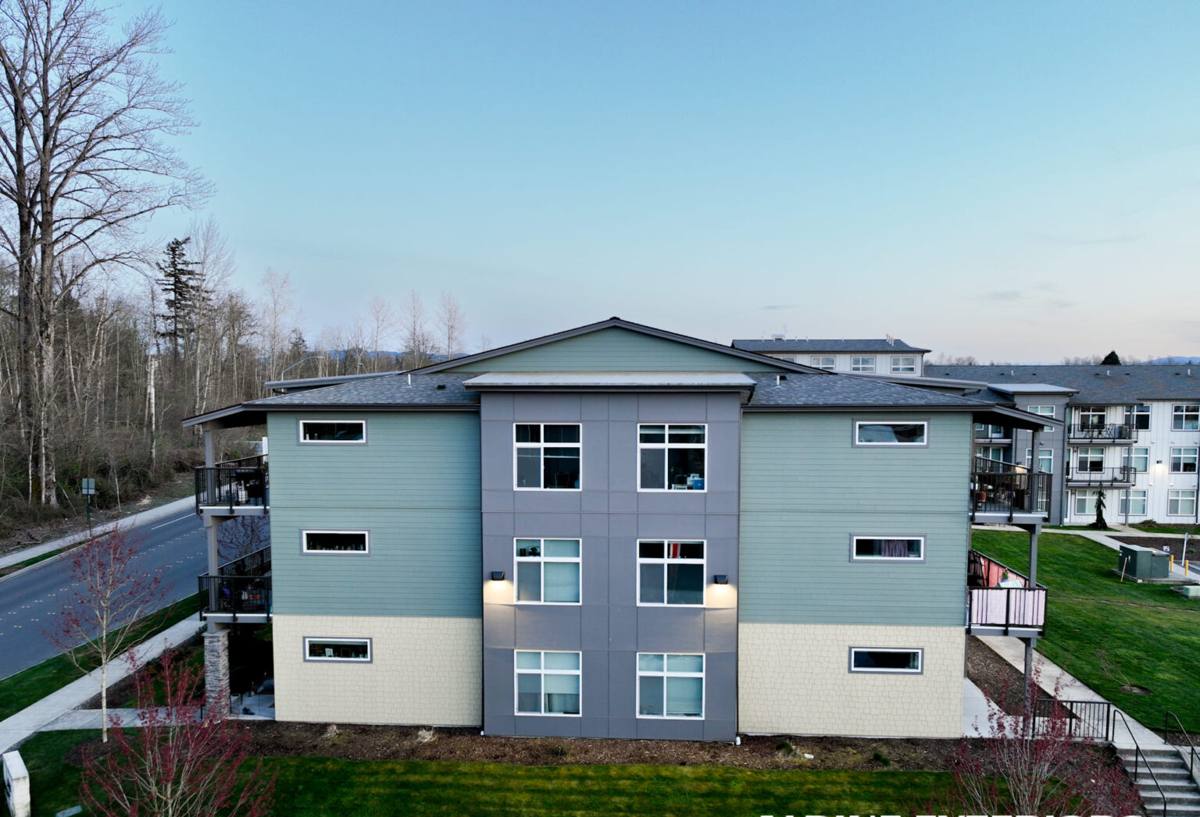
What Salt Air, UV, and Coastal Wind Actually Do to Siding
Salt Air
Airborne salt settles on every exterior surface near the Gulf, including panels, trim, and fasteners. It accelerates corrosion on metal components and, over time, degrades the surface finish on materials not engineered to resist it. This is a slow process — it's why siding on a beach-side home can look tired years before an identical product would on an inland house.
UV Exposure
Florida sun is intense and constant. Cheaper coatings and unprotected substrates chalk, fade, and become brittle under years of direct UV. Color loss isn't just cosmetic — a degraded finish exposes the material underneath to moisture it wasn't built to handle on its own.
Wind-Driven Rain and Storm Wind
Pinellas County's coastal wind requirements exist for a reason. Wind doesn't just push against siding — during a storm it drives rain sideways, forcing water into any seam, fastener hole, or lap joint that isn't sealed and installed correctly. Weak installation is where most storm-related siding failures actually start; the wind finds the gap that was already there.
Signs Your St. Pete Beach Home Needs Replacement, Not Just Repair
- Panels that are visibly warped, buckled, or pulling away from the wall
- Soft or spongy spots when you press on the siding, especially near the bottom courses
- Persistent staining, streaking, or a chalky residue that won't wash off
- Paint or finish that's peeling, bubbling, or has faded unevenly across the same wall
- Visible rot, mold, or a musty smell along interior walls that back up to exterior siding
- Rusted or backed-out fasteners, or siding that rattles or flexes in wind
- Rising energy bills with no other explanation, suggesting compromised insulation behind the wall
A few loose or cracked pieces can sometimes be repaired. But once moisture has gotten behind the cladding on more than a section or two, patchwork repairs usually just delay a full replacement while the underlying wood sheathing keeps absorbing damage.
What a Correct Siding Replacement Actually Involves
Replacing siding on a coastal home is not a cosmetic swap. Done right, it's a full building-envelope job:
- Full tear-off and inspection — removing old siding to check the sheathing underneath for rot, delamination, or hidden moisture damage before anything new goes up
- Sheathing repair — replacing any compromised wood before it's covered again, not siding over a problem
- A correct water-resistive barrier — properly lapped house wrap or building paper, installed so water sheds outward instead of pooling behind the cladding
- Flashing at every penetration — windows, doors, and any wall penetration need flashing detailed to shed wind-driven rain, not just caulk
- Manufacturer-spec fastening — correct fastener type, spacing, and depth, matched to the region's wind load requirements
- Proper joint and seam treatment — gaps, laps, and butt joints sealed and finished the way the manufacturer actually requires, not however is fastest
Skip any one of these steps and the new siding will look fine for a season or two before the same problems resurface — often faster than the original failure, because the underlying issue was never actually fixed.
Why We Install Only James Hardie Fiber Cement Here
We don't install vinyl siding, LP SmartSide, primed wood, or other fiber cement brands. That's a deliberate standard, not a sales pitch, and it matters more on a barrier island than almost anywhere else in Florida.
Vinyl siding is affordable and easy to install, but it's a petroleum-based product that softens, warps, and becomes brittle under sustained heat and UV — exactly the exposure a Gulf-facing home gets every day. In wind events it's also more prone to cracking or blowing off compared to fiber cement rated for the same wind pressures.
Engineered wood products like LP SmartSide use a treated wood-strand substrate. It performs well in many climates, but wood-based siding depends heavily on paint and caulk staying intact to keep moisture out — a maintenance burden that's harder to keep up with in a humid, salt-heavy coastal environment where finishes degrade faster.
James Hardie fiber cement is non-combustible, doesn't rot, and isn't a food source for pests. Its ColorPlus factory-applied finish is baked on under controlled conditions and holds color and integrity far longer than field-applied paint exposed to Florida sun. Hardie also engineers specific product lines for humid, high-moisture climates like ours, and backs installations with a strong transferable warranty — provided the job is installed to spec, which is exactly what our process is built around.
Our Siding Replacement Process
- On-site assessment — we walk the exterior, check for moisture and sheathing issues, and talk through what's actually driving the need for replacement
- Product and profile selection — choosing the Hardie plank profile, texture, and ColorPlus color that fits the home and the neighborhood
- Written scope and estimate — a clear breakdown of tear-off, sheathing repair contingencies, materials, and installation, no vague allowances
- Tear-off and sheathing inspection — old siding removed, substrate checked and repaired before anything new is installed
- Weather barrier and flashing — house wrap and flashing installed and lapped correctly around every window, door, and penetration
- Hardie installation to manufacturer spec — correct fasteners, spacing, clearances, and joint treatment for our wind zone
- Final walkthrough — checking the finished job against the scope before we call it done
What Drives the Cost
Every home is different, but the same factors move the price up or down on most St. Pete Beach jobs:
| Factor | Why It Matters |
|---|---|
| Home size and wall complexity | More square footage and more corners, gables, and cutouts mean more labor and material |
| Sheathing condition | Rot or moisture damage found during tear-off adds repair scope before new siding goes up |
| Siding profile and finish | Lap width, texture, and ColorPlus color selection affect material cost |
| Trim and detail work | Corner boards, window trim, and soffit work add labor beyond the flat wall area |
| Access and site conditions | Multi-story sections, tight lot lines, or landscaping obstacles affect scaffolding and staging time |
We give a written, itemized estimate after seeing the home in person — not a phone quote — because on a coastal property, sheathing condition alone can change the scope significantly once we're behind the old siding.
Hiring a Contractor Who Actually Works the Barrier Islands
Not every siding contractor working the greater St. Petersburg area is used to building for Gulf-front exposure. A crew that mostly works inland subdivisions may not think twice about flashing details, fastener corrosion resistance, or wind-load fastening schedules the way a crew that works St. Pete Beach regularly does. Before hiring, it's worth asking:
- Do you carry current Florida contractor licensing and insurance, and can you provide proof?
- Have you installed siding on other homes in St. Pete Beach or similarly exposed coastal areas?
- What's your process for checking sheathing condition during tear-off, and how do you handle repairs found mid-job?
- What warranty applies to labor, separate from the manufacturer's material warranty?
- Can I see a written scope of work before signing anything?
A contractor who can answer these clearly, in writing, is one who's done this job on this coastline before — not just siding in general.
Caring for New Hardie Siding on the Coast
Fiber cement is low-maintenance, not zero-maintenance, especially with salt air in the mix. A simple routine keeps it performing for the long haul:
- Rinse salt residue and airborne grime off the exterior periodically with a garden hose
- Keep sprinklers and irrigation from spraying directly onto siding long-term
- Check caulking around windows, doors, and trim annually and reseal where it's cracked or gapped
- Trim back landscaping that keeps siding shaded and damp
- After any major storm, walk the exterior and look for loose panels, damaged trim, or fresh staining
If your St. Pete Beach home's siding is showing its age or you're planning ahead of the next storm season, we're happy to take a look and give you a straightforward, no-pressure estimate — just fill out the form below.