 St. Petersburg Siding
 Storm Damage on an Older Roof Is a Different Job
Historic Old Southeast is one of St. Petersburg's oldest residential neighborhoods, and that shows in the roofs. Many homes here were built decades before modern wind-uplift codes existed, and even where a roof has been replaced since, it's usually sitting on original framing, older decking, and rooflines with more valleys, dormers, and transitions than a typical newer build. When a storm comes through Pinellas County, those details are exactly where damage starts. A hurricane-force gust doesn't need to touch the whole roof to cause a real problem — it needs one lifted shingle edge, one cracked tile, or one piece of failed flashing at a chimney or wall intersection.
That's the mindset we bring to storm damage roof repair in this neighborhood: treat the roof as a system of connected parts, not just a field of shingles or tile. A repair that only patches the obvious hole and ignores the flashing, decking, or underlayment underneath it is a repair that fails again in the next storm.
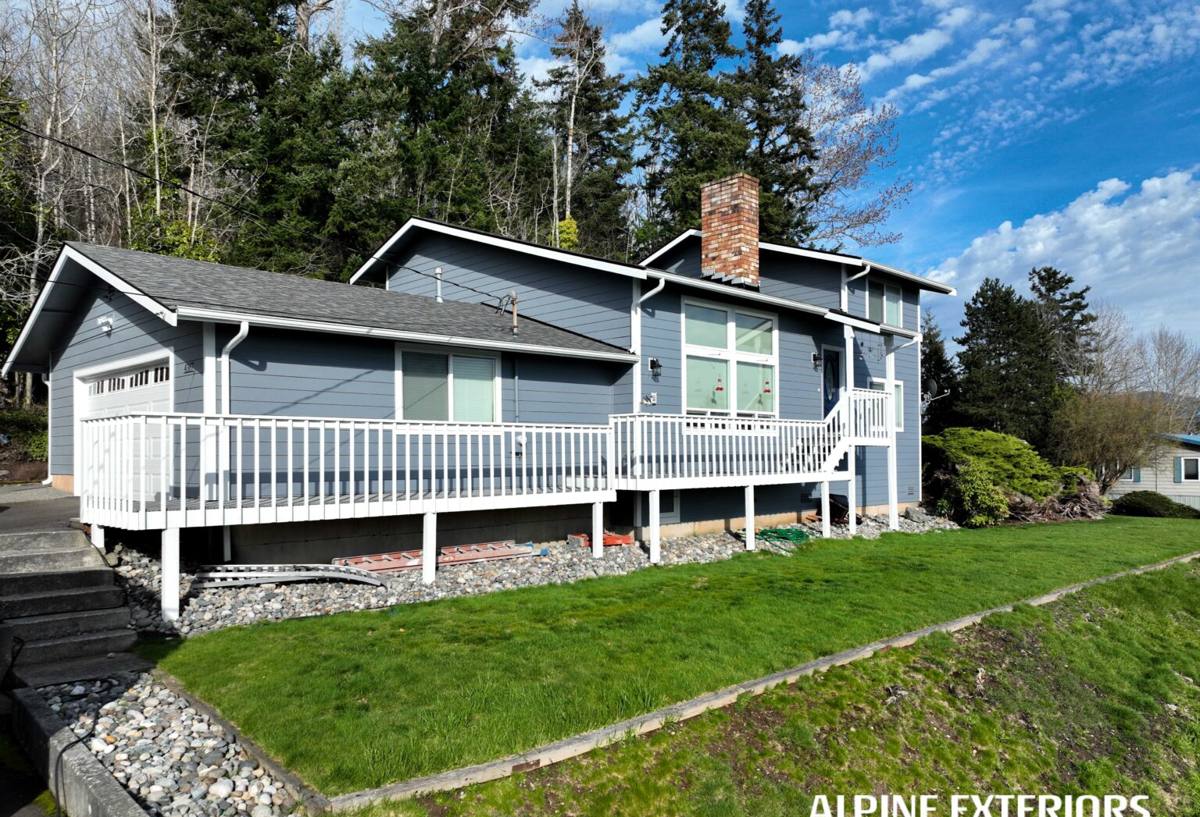
What St. Pete Weather Actually Does to a Roof
Old Southeast sits close to Tampa Bay, and the exposure that makes it a desirable place to live also means the roofs here take a beating from several directions at once.
- Wind-driven rain: Tropical storms and hurricanes in this part of Florida rarely produce straight-down rain. Wind pushes water sideways and up under roof edges, ridge caps, and flashing that was never designed to handle water moving in that direction.
- Sustained UV exposure: St. Petersburg gets strong sun essentially year-round. UV breaks down asphalt shingle oils and dries out sealant and caulking faster than in most of the country, which means storm damage often finds a roof that was already weakened before the wind hit.
- Salt air: Proximity to the bay accelerates corrosion on exposed metal — nail heads, flashing, vent stacks, and gutter hardware. Corroded metal fails quieter than a torn shingle, but it fails just as completely.
- Mature tree canopy: Older, tree-lined streets are part of what gives this neighborhood its character, but overhanging limbs mean more debris impact and more shaded, slower-drying roof sections after a storm.
Individually, none of these are unusual for coastal Florida. Together, on an older roof, they add up faster than most homeowners expect.
Signs Your Roof Took Storm Damage
Some damage is obvious right after a storm. Other damage doesn't show itself until the next hard rain, or until it's already caused an interior problem. Here's what we tell Old Southeast homeowners to check for after any significant wind or rain event:
- Missing, cracked, or curled shingles, or cracked/slipped tiles
- Granules collecting in gutters or at downspout outlets
- Lifted or bent flashing around chimneys, skylights, or where the roof meets a wall
- Soft spots or sagging when walking the attic or viewing the roofline from the ground
- Water stains on interior ceilings, especially near exterior walls or chimneys
- Debris punctures from tree limbs or wind-blown material
- Gutters pulling away from the fascia, or fascia/soffit boards showing new gaps
That last point matters more here than it might elsewhere. Because we work on siding and the full exterior envelope, we routinely find storm damage at the roof-to-wall connection, fascia, and soffit before a homeowner notices it — because it's not damage to the roof field itself, it's damage where the roof and the siding system meet. That's a common failure point on older homes and an easy one to miss if you're only looking up at the shingles.
Damage That Hides Until Later
Wind can lift a shingle or tile just enough to break its seal without tearing it off completely. It looks fine from the ground. Then the next rain gets underneath it, and water starts tracking along the decking to a spot that may be nowhere near where it entered. This is why we don't just photograph a roof from the driveway after a storm — we get on it, or use a drone where roof pitch or age makes walking it unsafe, and check the underlayment and decking condition wherever there's a compromised seal.
What a Correct Storm Repair Actually Involves
A quick patch job can make a roof look repaired without making it sound. Here's what we consider a proper repair, not a shortcut:
- Full damage assessment — not just the spot that's leaking, but the surrounding field, flashing, and any secondary areas wind could have affected.
- Decking check — if water reached the decking, we confirm it's still structurally sound before covering it back up. Rotted or delaminated decking gets replaced, not shingled over.
- Underlayment repair or replacement in the affected section, matched to what's appropriate for the roof's age and covering type.
- Flashing repair at any penetration or wall intersection near the damage — chimneys, vent stacks, valleys, and roof-to-wall transitions are where most repeat leaks originate.
- Matching materials as closely as possible to the existing roof so the repair doesn't stand out or create a mismatched wear pattern over time.
- Sealing and fastening to current wind-resistance standards wherever code and practicality allow, even on an older roof, so the repaired section is less likely to fail again in the next storm.
Skipping any of these steps is how a homeowner ends up paying for the same repair twice.
Repair vs. Replacement: How We Help You Decide
Not every storm-damaged roof needs full replacement, and not every roof is worth patching indefinitely. The right call depends on the roof's age, how much of it is affected, and its condition before the storm.
| Factor | Leans Toward Repair | Leans Toward Replacement |
|---|---|---|
| Damage extent | Isolated area, one slope, or a single flashing detail | Widespread across multiple slopes or the whole roof |
| Roof age | Roof is under 10–12 years and otherwise sound | Roof is near or past its expected service life |
| Decking condition | Decking is dry and solid where inspected | Rot, soft spots, or repeated moisture found in multiple areas |
| Prior repair history | First significant storm damage on this roof | This is the second or third storm repair in a few years |
| Insurance scope | Adjuster's scope covers the affected section cleanly | Adjuster's scope or code triggers a full slope or full roof |
We'll tell you honestly which side of that table your roof falls on. If a targeted repair is the right, durable answer, that's what we'll recommend — we don't push replacement on a roof that doesn't need it.
Our Process for Old Southeast Storm Repairs
1. Fast Assessment
After a storm, we prioritize active leaks and structural concerns first. We inspect the roof, the flashing, and the connected fascia/soffit and siding areas together, since storm damage in this neighborhood rarely stays confined to just the shingles or tile.
2. Clear, Written Scope
You get a written explanation of what's damaged, what needs to be repaired, and why — not a vague estimate. If insurance is involved, we document the damage in a way that holds up during the claims process.
3. Temporary Protection When Needed
If a roof is actively leaking or exposed after a storm, we can install temporary protection to stop further water intrusion while the full repair is scheduled and materials are sourced.
4. The Repair Itself
We match materials, repair the full damaged area including flashing and decking as needed, and clean the site when the work is done. We stand behind the workmanship on every repair we perform.
Working with Homeowners' Insurance
Most storm damage claims in Pinellas County go through homeowners' insurance, and the process goes smoother when the damage is documented clearly and promptly. We can meet an adjuster on-site, provide photos and a written scope that matches what we find, and explain the repair in plain terms if you have questions about what's covered. We're not a public adjuster and we don't negotiate your policy for you, but we make sure the roofing side of your claim is backed by an accurate, honest assessment — not an inflated one and not a lowball one.
Why It Matters That We Already Work This Neighborhood
Old Southeast has its own mix of roof ages, historic-review considerations on some properties, and rooflines shaped by original early-20th-century construction. A crew that's worked here before knows what to expect before they climb up: where older decking tends to be thinner, how common roof-to-wall flashing details in this area were originally built, and what tree coverage typically means for storm debris. That familiarity saves time during an assessment and helps avoid surprises once a repair is underway.
It also matters because we handle the full exterior envelope, not just the roof deck. When a storm damages a roof-to-wall connection, fascia, or soffit alongside the shingles or tile, we can address all of it in one coordinated repair instead of sending you to a second contractor for the parts of the damage that technically aren't "roofing."
Before You Call Anyone After a Storm
- Take photos and video from the ground and, if safe, from inside the attic – don't get on the roof yourself
- Note the date and approximate time of the storm for your insurance claim
- Place buckets or tarps for any active interior leaks to limit further damage
- Avoid signing anything from a door-to-door storm chaser before getting a second, local opinion
- Call a licensed, local contractor for an assessment before assuming the roof needs full replacement
If your Old Southeast home took storm damage, we're glad to come take a look, explain honestly what we find, and give you options — not pressure. Request a free, no-obligation estimate using the form below and we'll get back to you promptly.