 St. Petersburg Siding
 Board & Batten Siding, Done Right for Bartlett Park
Board and batten is one of the most recognizable siding profiles in Florida — vertical panels or boards with narrow strips (battens) covering the seams, giving a clean, linear look that works on cottages, bungalows, and new construction alike. In Bartlett Park, a longstanding residential neighborhood in south-central St. Petersburg, board and batten shows up on everything from older single-family homes to newer infill builds. It's a great-looking profile, but it is also one of the least forgiving siding styles when it's installed with shortcuts. The vertical seams, the fastening pattern, and the exposed batten strips all create more opportunities for water intrusion than a standard lap siding job if the details aren't handled correctly.
This page is about that one service — board and batten siding — for that one neighborhood. We're not going to give you a generic rundown of siding options. We're going to explain what Bartlett Park's specific climate exposure means for a vertical siding installation, what a correct job actually involves, and why we install it exclusively in James Hardie fiber cement rather than the wood, vinyl, or engineered-wood alternatives.
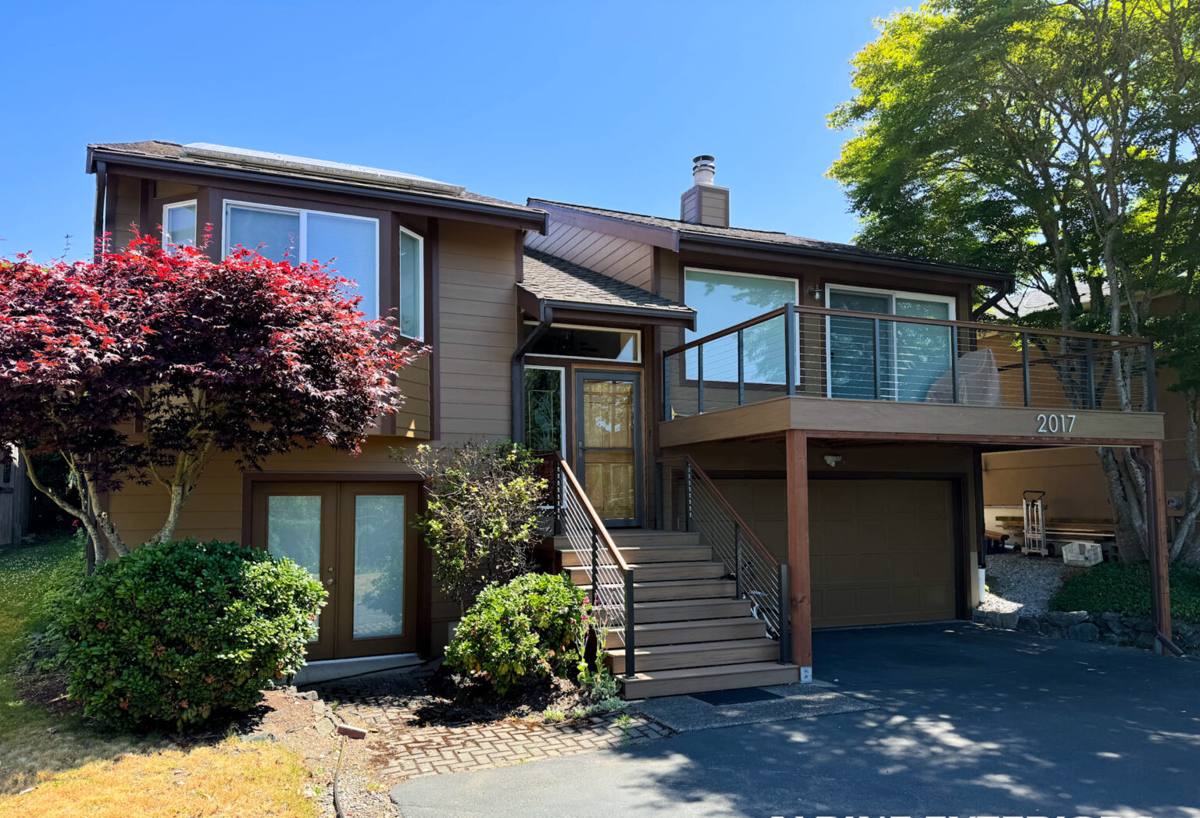
What Bartlett Park's Climate Does to Siding
Pinellas County sits in one of the most weather-exposed parts of the country, and Bartlett Park's mix of mature tree canopy and older housing stock means the siding on these homes takes a beating from several directions at once, year-round:
- Hurricane-force wind: St. Petersburg is in a wind-borne debris region under the Florida Building Code. Even homes that never take a direct hit see repeated tropical-storm-force gusts every season, which stress fasteners and seams on vertical siding far more than on horizontal lap.
- Intense, near-constant UV: Florida sun degrades paint film, caulk, and unprotected wood fiber faster than almost anywhere else in the continental U.S. — siding here doesn't get a winter "rest" from UV exposure the way it does up north.
- Wind-driven rain: Afternoon storms in St. Petersburg routinely drive rain sideways, forcing water into vertical seams and under battens if the flashing and gapping weren't detailed correctly at install.
- Salt air: Bartlett Park isn't waterfront, but it's close enough to Tampa Bay that airborne salt still reaches fasteners, trim, and any exposed metal, accelerating corrosion over the life of the siding.
None of these factors are unique to Bartlett Park — but the combination of an established tree canopy (which holds moisture against homes longer after storms) and a mix of home ages means we see a wider range of existing siding conditions here than in newer subdivisions. Some homes have already had one or two siding jobs; others still carry original wood board and batten that's 30-plus years old.
Why Board & Batten Is Less Forgiving Than Lap Siding
Every vertical siding profile relies on a different water-management strategy than horizontal lap siding. Lap siding sheds water down and out by design — each course overlaps the one below it. Board and batten depends much more heavily on:
Correct gapping and fastening
Vertical boards need consistent expansion gaps and a fastening pattern that lets the material move slightly with temperature and moisture changes without cracking the panel or pulling the batten loose. Get the gap wrong — too tight or too loose — and you either trap stress in the panel or open a path for wind-driven rain.
Batten placement over the seam, not just near it
The batten's whole job is to cover the vertical seam and shed water outward. If battens aren't centered and fastened into solid framing (not just into the panel edge), wind uplift during storm-force gusts can work them loose over time.
Flashing at every horizontal transition
Board and batten still needs proper flashing and drainage planes at windows, doors, soffits, and the foundation transition. A vertical profile makes it more visually tempting to caulk over a flashing problem instead of solving it — that's a shortcut that fails within a few storm seasons in this climate.
What a Correct Board & Batten Job Involves
When we install board and batten in Bartlett Park, the process is built around the specific way this profile fails when it's done wrong. That means:
- Tear-off and inspection of the sheathing underneath — vertical siding hides rot longer than lap siding because water tends to travel down inside the wall cavity rather than showing on the surface right away.
- A code-compliant weather-resistive barrier installed as a continuous drainage plane, lapped correctly at every seam and penetration.
- Panel and batten layout planned before the first piece goes up, so seams land on structural framing and batten spacing is consistent across every elevation.
- Fastener selection and spacing that matches the manufacturer's published wind-load requirements for our wind zone — not just "what's worked before."
- Flashing integrated at windows, doors, and roof-to-wall transitions before any siding closes over them.
- Factory-finished panels wherever possible, so the color coat isn't relying on field-applied paint to survive Florida UV.
Our Process for a Bartlett Park Board & Batten Project
- On-site assessment: We walk the exterior, check the current siding and sheathing condition, and note anything specific to the home — tree cover, existing drainage issues, prior repairs.
- Scope and material plan: We spec the James Hardie board and batten system for the home's exposure — panel size, batten spacing, and color line — and put it in writing.
- Tear-off and moisture check: Old siding comes off, and we inspect sheathing before covering anything back up. Any soft or water-damaged sheathing gets addressed before new siding goes on — not papered over.
- Weather barrier and flashing: A continuous drainage plane goes down first, with flashing detailed at every window, door, and transition.
- Installation to spec: Panels and battens go up following James Hardie's fastening and gapping requirements for our wind exposure, not a generalized approach.
- Trim, caulking, and final finish: Trim boards, corners, and any field-cut edges get sealed and finished according to manufacturer specifications to preserve the warranty.
- Walkthrough and cleanup: We review the finished job with the homeowner and clear the site completely.
Why We Install Only James Hardie Fiber Cement
Board and batten is available in vinyl, engineered wood, and traditional cedar or primed spruce, in addition to fiber cement. We've made a deliberate decision to install James Hardie exclusively, and it comes down to how each material actually performs under Bartlett Park conditions over a 15, 20, or 30-year horizon — not just how it looks on day one.
Non-combustible and dimensionally stable
Fiber cement doesn't expand and contract with humidity the way wood-based products do, which matters enormously on a vertical profile where gap consistency is part of what keeps water out. It's also non-combustible, which is a real consideration on homes with tight setbacks or wildfire-adjacent brush.
Engineered for humid climates
James Hardie's HZ10 product line is specifically engineered for hot, humid coastal climates like ours — Florida and the Gulf Coast — with moisture and freeze-thaw performance tuned differently than their products for northern climates. That's not marketing; it's a real formulation difference that matters when the siding sits in Pinellas County humidity twelve months a year.
Factory-applied ColorPlus finish
Rather than relying on field-applied paint to survive our UV load, Hardie's ColorPlus finish is baked on at the factory with a finish designed to resist fading and hold up to intense sun — a meaningful advantage on a siding style where the exposed batten strips add extra painted surface area.
A warranty that's actually transferable
Hardie backs its siding with a strong, transferable limited warranty — something that matters to Bartlett Park homeowners who may sell within the product's service life, and something that's harder to get with vinyl or unprimed wood systems.
How the Options Actually Compare
| Material | Wind/impact durability | Moisture behavior | UV/color stability | Long-term maintenance |
|---|---|---|---|---|
| James Hardie fiber cement | Engineered to wind-zone fastening specs; rigid and stable | Dimensionally stable, HZ10 line built for humid climates | Factory ColorPlus finish resists fading | Low — occasional wash, no repainting cycle |
| Vinyl board & batten | Can deform or crack under high wind and heat cycling | Doesn't rot, but seams can allow water behind panels | Color is molded-in but fades and chalks over time | Low, but panels can warp and are hard to color-match if replaced |
| Engineered wood (LP-style) | Reasonable if installed to spec | Vulnerable to edge-swell if cuts and seams aren't sealed | Depends entirely on field-applied or factory coating | Moderate — edge sealing and inspection matter |
| Cedar / primed spruce | Softer material, more prone to wind and impact damage | Absorbs moisture, needs consistent sealing to resist rot | Requires repainting or restaining on a recurring cycle | Highest — regular repainting and moisture monitoring |
What Drives Cost on a Board & Batten Project
Every home is different, but the factors that move the price on a Bartlett Park board and batten job are consistent:
| Cost factor | Why it matters |
|---|---|
| Sheathing condition | Rot or water damage found at tear-off adds repair scope before new siding goes on |
| Home height and complexity | Multiple gables, dormers, or a second story add labor and access requirements |
| Batten spacing and panel size | Tighter batten spacing means more material and more fastening labor |
| Trim and corner detail | Custom corner boards and window trim add finish-carpentry time |
| Color and finish selection | Factory ColorPlus finishes vary in cost by line and color depth |
Why Local Experience in Bartlett Park Matters
Board and batten siding isn't installed the same way in every part of the country, and it shouldn't be installed the same way on every home in St. Petersburg, either. A crew that regularly works in and around Bartlett Park brings a few concrete advantages:
- Permitting familiarity: We know the City of St. Petersburg's permitting process for exterior siding work and pull the right permits before starting, not after.
- Wind-zone fastening knowledge: We install to the fastening and wind-load requirements that actually apply in Pinellas County, not a generic national spec.
- Tree canopy awareness: Established neighborhoods with mature trees hold moisture against exterior walls longer after storms — we account for that in how we detail drainage and flashing.
- Consistent crews, not subcontracted labor changing job to job: The same installation standards apply on every board and batten job we run, which is what keeps the seams and battens performing the same way for years.
Signs Your Current Board & Batten Siding Needs Attention
If you're in Bartlett Park and evaluating whether it's time to replace board and batten siding, look for:
- Soft or spongy spots when you press on boards or battens, especially near the bottom courses
- Battens that have visibly separated or loosened from the wall, particularly after storm season
- Paint that's peeling, bubbling, or chalking heavily rather than just fading evenly
- Visible gaps at seams where daylight or drafts are noticeable from inside
- Discoloration or staining that tracks downward from a window, door, or roofline — a sign water is getting behind the siding somewhere above
- Any siding installed more than 20-25 years ago that hasn't been reinspected since
Get a Straightforward Estimate
If you're weighing a board and batten siding project in Bartlett Park — whether it's a full replacement or you're just trying to understand what shape your current siding is in — we're glad to take a look. The estimate is free, there's no pressure, and you'll get a straight answer about what your home actually needs. Use the form below to get started.