 St. Petersburg Siding
 Seminole Roofs Face a Different Kind of Wear
Seminole sits close enough to the Gulf that salt air, humidity, and wind-driven rain are part of daily life for every roof in town, not just the ones that catch a direct hurricane hit. Between named storms, the same roof is absorbing intense year-round UV that bakes shingles and dries out sealants, then getting soaked by sudden afternoon downpours that find every weak spot in flashing and fasteners. It's a slow-and-fast combination: gradual UV breakdown that weakens materials, followed by a wind or rain event that turns that weakness into an actual leak or missing section.
That's why storm damage repair in Pinellas County isn't just "patch the hole and move on." A roof that's been through one storm has usually already been softened up by dozens of smaller weather cycles before it. A repair that only addresses the visible damage and ignores the surrounding wear tends to fail again at the next storm, sometimes within a single season.
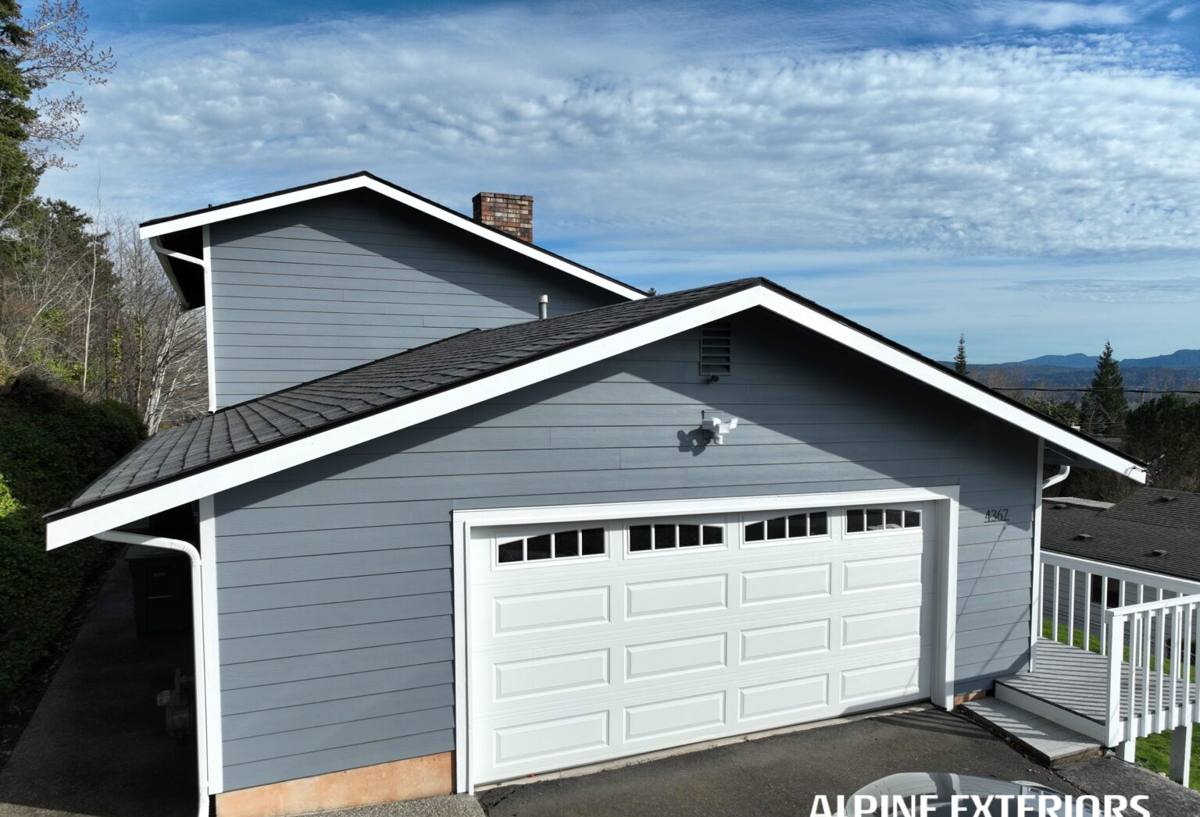
What Actually Counts as Storm Damage
Homeowners often assume storm damage means a hole punched through the roof, but most of what we see in Seminole is less dramatic and easier to miss from the ground.
Wind Damage
Sustained wind and gusts can lift shingle edges, break the seal strips that hold shingles flat, and crease or fold shingles without tearing them off completely. A roof can look intact from the driveway and still have dozens of shingles with broken seals that will leak the next time rain comes in at an angle.
Wind-Driven Rain and Water Intrusion
Florida storms rarely drop rain straight down — it comes in sideways. That pushes water up under shingle edges, through gaps in flashing around chimneys and vent pipes, and into any spot where sealant has aged and cracked. This kind of damage often shows up as a ceiling stain days or weeks after the storm, not during it.
Impact Damage
Debris — tree limbs, roof vents torn loose from a neighbor's house, patio furniture — can bruise or puncture shingles and dent metal flashing or vents. Hail is less common here than in other parts of the country, but it does happen, and impact bruising can be hard to spot without someone who knows what to look for.
Fastener and Underlayment Failure
Older roofs in the area may have nails that have backed out slightly over the years from thermal expansion and contraction. A storm's uplift can be the final push that separates a shingle entirely, even though the storm itself wasn't unusually severe for this roof's age.
What a Correct Storm Damage Inspection Covers
A rushed inspection looks at the roof from the ground or snaps a few photos from a ladder at the eave. A thorough one covers the whole system, because storm damage rarely stays contained to one spot.
- Full walk of the roof surface, not just the areas visible from the street
- Close check of every penetration — vent boots, chimney flashing, skylights — since these are the most common leak points after wind events
- Attic inspection for water staining, wet insulation, or daylight coming through the decking
- Check of gutters and downspouts, since storm debris and granule loss often collect there first
- Assessment of the decking itself where shingles have lifted, looking for soft spots or delamination
- Documentation with dated photos, which matters if you end up filing an insurance claim
We give homeowners a plain answer on what we found, not a sales pitch dressed up as an inspection. If the damage is minor and doesn't need a full repair, we'll tell you that too.
Our Repair Process
- Inspection and documentation. We assess the full roof and attic, not just the obvious damage, and photograph everything before touching it.
- Temporary protection if needed. If there's active leaking or exposed decking, we get it covered and dried out first so the damage doesn't spread while repairs are scheduled.
- Written scope and estimate. You get a clear description of what's damaged, what needs to be replaced versus repaired, and an honest cost range before any work starts.
- Insurance coordination, if applicable. We can walk your adjuster through what we found and provide documentation that matches what they need to see.
- Repair. Damaged shingles, flashing, or decking are replaced with matching materials, sealed and fastened to current code, not just to match what was there before if that original installation was part of the problem.
- Final check. We inspect the completed work and the surrounding areas one more time — a storm rarely damages just one section, and it's worth confirming nothing was missed nearby.
Repair or Replace? How We Actually Decide
Not every storm-damaged roof needs a full replacement, and not every roof that "looks fine" from the yard is actually fine. The honest answer depends on the roof's age, how widespread the damage is, and what's underneath the shingles.
| Factor | Leans Toward Repair | Leans Toward Replacement |
|---|---|---|
| Roof age | Under 10-12 years | Nearing or past expected lifespan |
| Damage spread | Isolated to one section or slope | Scattered across multiple slopes |
| Decking condition | Solid, dry decking underneath | Soft spots, rot, or repeated water staining |
| Shingle condition elsewhere | Remaining shingles still sealing and flexible | Widespread granule loss or brittleness |
| Storm history | First significant storm exposure | Multiple prior storms with patch repairs already done |
We'd rather tell a homeowner their roof only needs a targeted repair than upsell a full replacement it doesn't need — and we'll be just as direct if a repair would only be a short-term fix on a roof that's genuinely at the end of its service life.
Materials That Hold Up on This Coast
What goes back on the roof matters as much as the repair itself. In a coastal, high-UV climate like Pinellas County, we lean toward materials and installation practices built for that reality rather than whatever is cheapest per square.
| Component | Why It Matters Here |
|---|---|
| Shingle rating | Higher wind-rated architectural shingles hold their seal better in sustained coastal wind than basic 3-tab products |
| Underlayment | A synthetic or self-adhering underlayment under repaired sections adds a real second layer of water protection if the top layer ever gets compromised again |
| Flashing and fasteners | Corrosion-resistant metal and fasteners matter near salt air, where standard galvanized components can degrade faster than inland |
| Sealants | UV-stable sealants around penetrations last longer under Florida's year-round sun than general-purpose caulk |
We're not chasing the newest product on the market for its own sake — we're choosing components with a track record for coastal, high-UV conditions, and we're honest when a cheaper option would just mean a repeat visit sooner than it should.
Insurance Claims: What to Expect
Storm damage claims in this part of Florida get more scrutiny than they used to, and adjusters are looking for clear evidence that the damage is storm-related rather than long-term wear that happened to get noticed after a storm. That's exactly why the documentation step in our process matters — dated photos, a clear description of the damage pattern, and an assessment that distinguishes actual storm impact from pre-existing age.
We're not a public adjuster and we don't negotiate your claim for you, but we can meet an adjuster at the property, point out what we found, and provide the paperwork that supports your claim. Keep in mind that most policies have a filing window after a storm, so it's worth getting an inspection scheduled soon after the event rather than waiting until a leak becomes obvious weeks later.
After the Storm: A Homeowner's Checklist
- Walk the yard and check for shingle granules, shingle pieces, or metal flashing on the ground
- Look inside the attic (if safely accessible) for new water stains, damp insulation, or light coming through the roof deck
- Check ceilings and upper walls for new discoloration or soft spots
- Photograph any visible exterior damage from the ground before it's cleaned up or covered
- Avoid walking the roof yourself — storm-loosened shingles and wet surfaces are a real fall risk
- Call for a professional inspection promptly, especially if you plan to file an insurance claim
- Keep any temporary repair receipts (tarps, emergency materials) for your claim records
Why a Crew That Already Works Seminole Matters
A roofing crew that works this specific area regularly knows the difference between damage patterns typical of a Gulf-adjacent property and what shows up further inland. We know which roof ages and shingle types are common in Seminole's neighborhoods, which makes it faster to spot when damage looks worse — or better — than it actually is. Just as importantly, after a significant storm, response time matters. A crew already scheduling work in the area can usually get to a leaking roof faster than one coming from across the bay, and a fast, correct temporary fix is often what keeps a small leak from becoming a ceiling replacement.
Local presence also matters after the repair is done. If a question comes up during an insurance review, or if a related issue shows up in a different spot a few months later, you're dealing with a crew that already has your roof's history on file rather than starting from scratch with someone new.
Protecting Your Roof Between Storms
The best storm repair is the one you never need. A little attention between weather events reduces how much damage any single storm can do.
- Keep gutters clear so wind-driven rain has somewhere to go instead of backing up under shingles
- Trim back tree limbs that overhang the roof, since they're a common source of impact damage
- Have flashing and sealant around vents and chimneys checked every couple of years, since UV breaks these down faster than most homeowners expect
- Address small leaks immediately rather than waiting — a minor issue caught early is a repair; the same issue ignored through a few storms can become a decking replacement
If a recent storm has you wondering about the condition of your roof, we're happy to take a look and give you a straight answer — no pressure, no obligation. Use the form below to request a free estimate.