 St. Petersburg Siding
 Siding That Has to Work in Bartlett Park's Climate
Bartlett Park sits inside St. Petersburg, in Pinellas County, which means every home here deals with the same combination of stressors: hurricane-force wind gusts during storm season, intense year-round UV exposure, wind-driven rain that gets forced sideways into siding joints, and salt-laden air that never fully lets up even a few miles from open water. Any one of those on its own is manageable. Together, over years, they're what separates siding that looks good at installation from siding that still looks good a decade later.
This page is about one thing specifically: installing James Hardie fiber cement siding correctly on Bartlett Park homes. Not a general siding overview, not a sales pitch for every product on the market — just what this neighborhood's housing stock and climate actually demand, and what a proper Hardie installation looks like when it's done right.
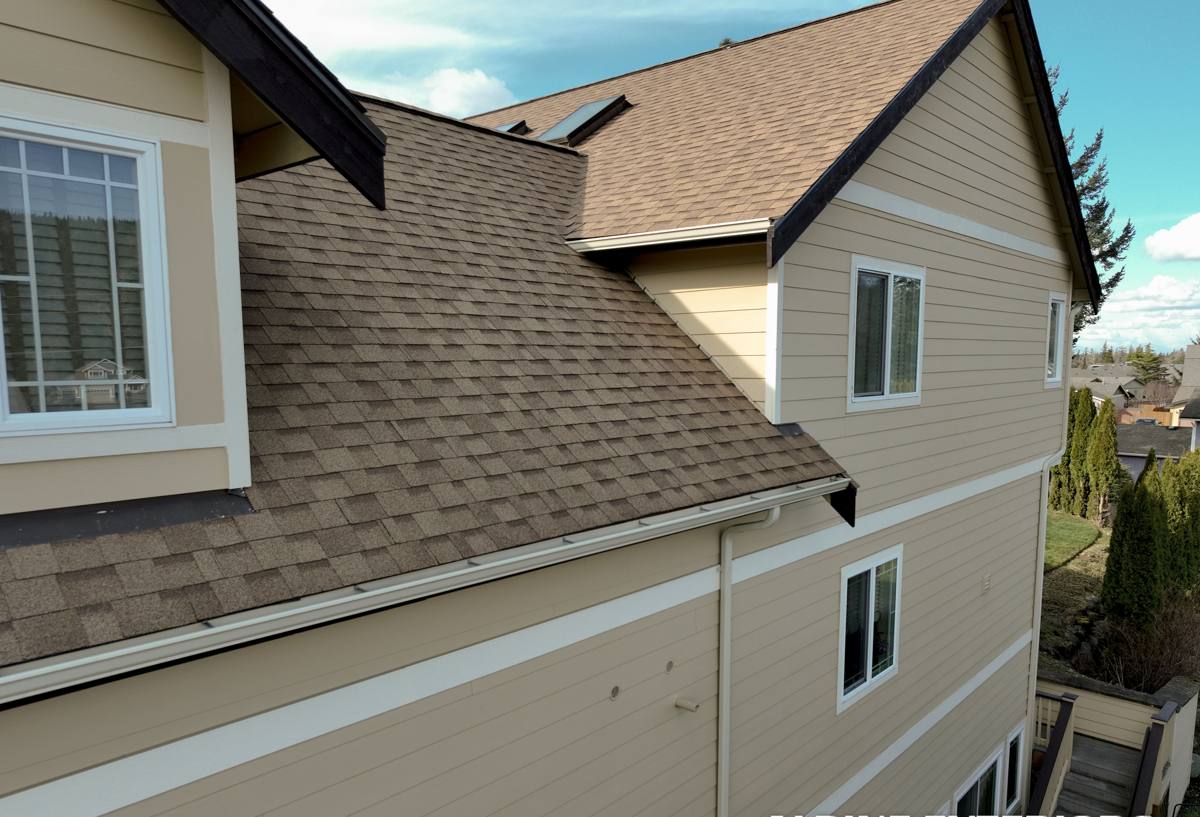
Why We Only Install James Hardie
We don't install vinyl, LP SmartSide, Cemplank, Allura, or primed wood siding. That's not a marketing line — it's a standard we set because of what we've seen those materials do over time in a Florida climate specifically. Vinyl softens and can warp under sustained heat and UV, and it has limited resistance to wind-driven debris. Wood-based and engineered wood products depend heavily on moisture management to avoid swelling, delamination, or rot at cut edges and seams — and Pinellas County humidity doesn't give those products much room for error. James Hardie fiber cement is non-combustible, dimensionally stable in heat and humidity, and engineered specifically for high-moisture, high-UV climates like ours. That's the entire reason we standardized on it.
What Bartlett Park Homes Actually Need From Their Siding
Wind Resistance
St. Petersburg sits in a hurricane-exposed wind zone, and Bartlett Park's mix of older bungalow-style homes and newer infill construction both need siding rated and fastened for sustained high wind, not just occasional gusts. James Hardie's fiber cement products are engineered and tested for high-wind regions, but the product rating only matters if the fastening pattern and edge details match the wind zone the home actually sits in.
Wind-Driven Rain
Florida storms don't just drop rain straight down — they push it sideways into every seam, corner, and penetration in the siding. Correctly lapped, flashed, and caulked Hardie siding sheds that water. Poorly installed siding, even good material, lets it behind the wall assembly, where it causes damage you can't see until it's already expensive.
UV and Sun Exposure
Year-round Florida sun fades and chalks a lot of exterior products faster than homeowners expect. James Hardie's ColorPlus factory-baked finish is formulated to resist UV fading far longer than field-applied paint, which matters in a climate that doesn't give siding an off-season.
Salt Air
Bartlett Park isn't oceanfront, but St. Petersburg's proximity to Tampa Bay and the Gulf means salt-laden air reaches inland neighborhoods too. Salt air accelerates corrosion of exposed fasteners and degrades unprotected wood fiber over time. Fiber cement doesn't corrode, and using the right fastener material matters more here than it would inland.
James Hardie Product Lines for This Neighborhood
Bartlett Park has a mix of home styles — classic Florida bungalows, ranch homes, and newer construction — and different Hardie profiles suit different looks. Here's how the main lines compare for this area:
| Product | Best Fit For | Climate Notes |
|---|---|---|
| HardiePlank Lap Siding | Bungalows, ranch homes, most Bartlett Park street-facing elevations | Most common choice; wide range of exposure widths and textures |
| HardieShingle | Gable accents, dormers, craftsman-style detailing | Individual shingle profile sheds wind-driven rain well when properly lapped |
| HardiePanel | Modern or transitional builds, accent walls | Vertical seams need careful batten and flashing detail in high-wind zones |
| HardieTrim | Corners, fascia, window and door surrounds | Non-combustible, resists the swelling/rot common with wood trim in humidity |
What a Correct Installation Actually Involves
The material is only half the job. Most siding failures we're called out to inspect — on any brand — trace back to installation shortcuts, not product defects. Here's what has to happen for James Hardie siding to perform the way it's engineered to in a Pinellas County storm season:
Weather Barrier and Flashing First
Before a single piece of siding goes up, the house needs a continuous, correctly lapped weather-resistive barrier, with flashing integrated at every window, door, and penetration so water is directed out, not trapped behind the cladding.
Fastening for the Wind Zone
Fastener type, spacing, and placement all change based on the home's actual wind exposure. This isn't a place to use a generic nailing pattern — it needs to match both the Hardie specification and the local wind requirements for the structure.
Proper Clearances and Gaps
Hardie siding needs clearance from grade, roof lines, and horizontal surfaces to avoid trapping moisture. This gets missed often on additions and porch tie-ins, which is exactly where we see the most moisture damage on older homes.
Joint and Seam Treatment
Butt joints, corners, and penetrations need to be sealed with a product and method compatible with fiber cement — not just caulked over as an afterthought. Done wrong, these are the first points of failure in wind-driven rain.
ColorPlus Versus Field Paint
Where possible, we install ColorPlus pre-finished siding rather than field-painting on site. The factory finish is more UV- and fade-resistant than site-applied paint, and it removes an entire step where quality can vary based on weather conditions during installation.
Our Process, Start to Finish
- On-site assessment: We walk the home, check the existing wall assembly, note problem areas (old moisture damage, soft trim, prior patch jobs), and measure exposure to wind and sun.
- Product and color selection: We help you choose the right Hardie profile and ColorPlus color for the home's style and the neighborhood's look, while keeping performance in Pinellas County conditions in mind.
- Tear-off and prep: Old siding comes off, the sheathing is inspected and repaired where needed, and a new weather-resistive barrier and flashing system go in before anything else.
- Installation: Siding, trim, and accessories go up to Hardie's fastening and clearance specifications, adjusted for the home's specific wind exposure.
- Final inspection and cleanup: We walk the finished job with you, check every seam and corner, and clear the site.
Why Local Experience in Bartlett Park Matters
A crew that already works this neighborhood knows the housing stock — the mix of older bungalow framing versus newer construction, common problem spots like porch tie-ins and low-clearance additions, and how St. Petersburg's permitting and wind-code requirements apply to a siding job. That familiarity shows up in fewer surprises once tear-off starts, and in a job that's specified correctly for this exact wind zone the first time, instead of getting adjusted mid-project.
It also means we're not guessing at how Pinellas County's climate treats siding over time — we've seen how different installation details hold up here specifically, not just in a manufacturer's general specification sheet.
Cost Factors for a Bartlett Park James Hardie Project
Every home is different, but the same handful of factors drive most of the cost variation we see on Hardie projects in this area:
| Factor | Why It Matters |
|---|---|
| Existing wall condition | Rot, soft sheathing, or old moisture damage found during tear-off adds repair work before new siding can go on |
| Home size and elevation complexity | Gables, dormers, and multiple roof lines increase cutting, flashing, and trim work |
| Product mix | Combining lap siding with shingle accents or panel sections adds material and labor variety |
| Trim and accessory scope | Full trim replacement versus reusing sound existing trim changes both cost and long-term performance |
| Access and site conditions | Lot size, landscaping, and proximity to neighboring structures affect staging and labor time |
We give you a real number after walking the home, not a phone estimate — there's too much variation in what's actually behind the old siding to price it any other way.
Maintaining Hardie Siding in This Climate
James Hardie siding is low-maintenance compared to wood or vinyl, but "low-maintenance" isn't "no-maintenance," especially with the UV and salt exposure Bartlett Park homes deal with. A simple annual routine keeps it performing as designed:
- Rinse the siding down once or twice a year to clear salt residue and airborne grime, especially on elevations facing prevailing wind
- Walk the exterior after major storms and check caulked joints, corners, and penetrations for gaps or cracking
- Keep sprinklers and irrigation from spraying directly on the siding long-term
- Maintain clearance between siding and grade, mulch beds, and any new landscaping
- Repaint only if you didn't install ColorPlus factory finish, and use a product rated for fiber cement
- Address any soft trim or discoloration early — small issues caught early stay small
What to Ask Before Hiring a Siding Contractor
Whether you use us or someone else, a few questions separate a contractor who understands fiber cement installation from one who's treating it like any other siding job:
- Are you a certified or factory-trained James Hardie installer, and can you explain the fastening pattern you'll use for this home's wind zone?
- What weather-resistive barrier and flashing details will you install before the siding goes up?
- Do you install ColorPlus factory-finished siding, or will this be field-painted?
- How do you handle existing moisture damage found once old siding comes off?
- What does the manufacturer's warranty cover, and does it require specific installation documentation?
If your Bartlett Park home needs new siding, we're happy to take a look and walk you through exactly what it needs — no pressure, no generic estimate over the phone. Use the form below to request a free assessment.