 St. Petersburg Siding
 Metal Roofing in Bartlett Park: Built for What Pinellas County Weather Actually Does
Bartlett Park sits in the middle of a peninsula that takes weather from three directions — Tampa Bay pushes humidity and storm bands in from the east, the Gulf sends salt-laden air and hurricane threats from the west, and the sun sits almost directly overhead for most of the year. A roof here isn't just shedding rain. It's absorbing UV radiation for ten or eleven months a year, getting pelted with wind-driven rain during summer storm season, and slowly corroding from salt particles that travel further inland than most homeowners assume. Metal roofing, installed correctly, handles all three of those stresses better than most other roofing materials available in this market. Installed incorrectly, it fails faster than a comparable shingle roof.
We work Bartlett Park regularly, alongside the rest of St. Petersburg and the surrounding Pinellas County communities. That matters for metal roofing specifically, because so much of whether a metal roof performs well here comes down to details that have nothing to do with the metal itself — fastener choice, underlayment, flashing at penetrations, and how the panels are attached to the specific roof structures common in this part of the city.
Why Metal Makes Sense for This Neighborhood's Homes
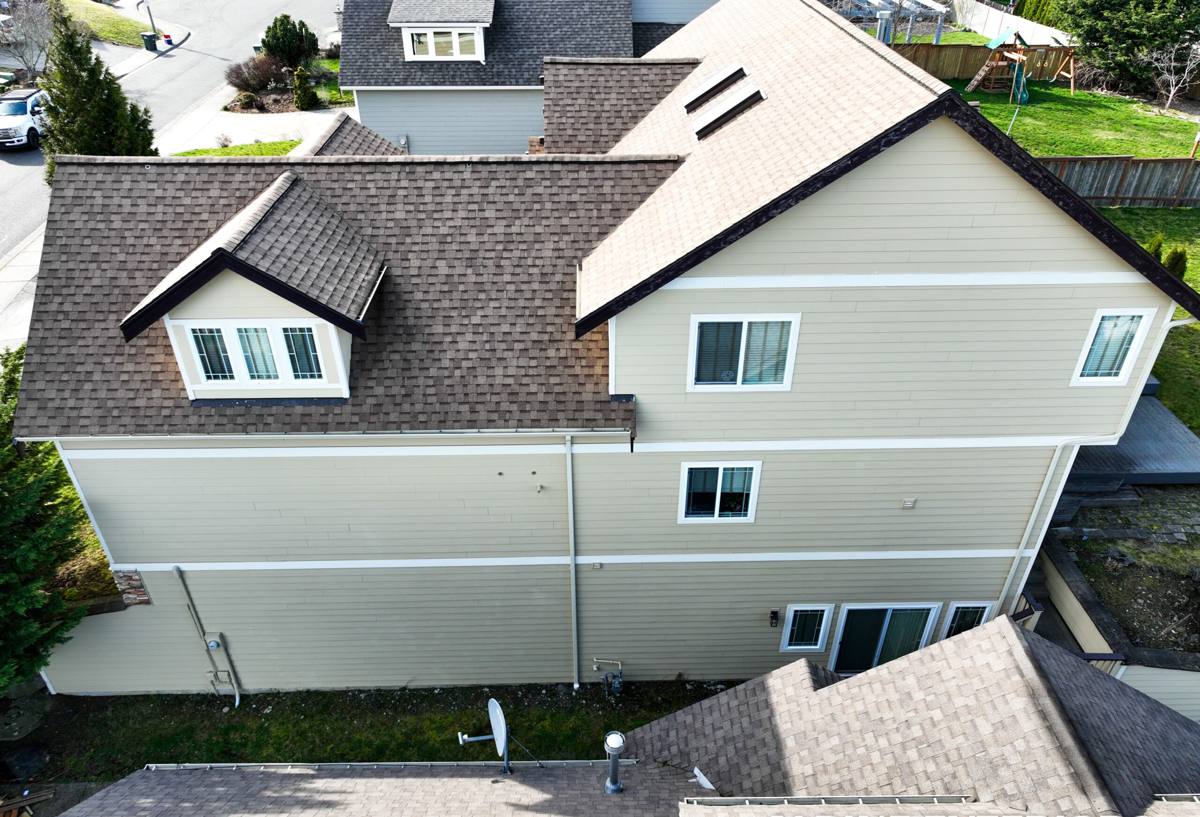
Bartlett Park has a mix of older single-family homes and newer infill construction, much like the surrounding St. Petersburg neighborhoods. Roof pitches, deck materials, and age of the underlying structure vary block to block. Metal roofing is a good fit across most of that range, for a few concrete reasons:
- Wind performance: Properly fastened standing seam or through-fastened panel systems resist uplift far better than shingles in sustained tropical-storm-force wind, which this area sees most years.
- UV stability: Quality painted or coated metal doesn't degrade from UV the way asphalt shingle granules and asphalt binders do over a Florida summer.
- Longevity against heat cycling: Metal expands and contracts with daily heat swings without the granule loss and brittleness that shortens shingle life here.
- Lower long-term maintenance once installed correctly, particularly around algae and moss that thrive in this humidity.
None of that means metal is the only right answer for every home — it isn't. It means metal, done right, holds up well against the specific combination of sun, wind, and salt air that defines roofing here.
What Salt Air and Coastal Exposure Actually Do to a Metal Roof
Bartlett Park isn't waterfront, but St. Petersburg as a whole sits close enough to Tampa Bay and the Gulf that airborne salt is a real factor for every home in the city, not just the ones on the water. Salt accelerates corrosion at fastener heads, cut edges, and any spot where the protective coating on a metal panel has been scratched or compromised during installation.
Where corrosion actually starts
In our experience, premature metal roof corrosion in this region almost never starts in the middle of a flat panel. It starts at:
- Exposed fastener heads that weren't properly sealed or that use the wrong washer material
- Cut panel edges left unsealed or unpainted
- Dissimilar metal contact — for example, the wrong flashing metal touching the panel and triggering galvanic corrosion
- Scratches from foot traffic or careless handling during installation, before the coating has a chance to protect the base metal
This is why installer skill matters as much as the metal product itself. A high-quality panel installed carelessly will corrode at the seams and fasteners well before its rated lifespan. A mid-grade panel installed with the right fasteners, sealants, and edge treatment will often outlast it.
What a Correct Metal Roof Installation Involves Here
A metal roof is a system, not just a set of panels. For Bartlett Park homes, we pay particular attention to the following:
Deck and structure prep
Before any panel goes down, the roof deck needs to be sound — no rot, no soft spots, proper ventilation underneath. Skipping this step is the single most common shortcut that leads to early problems, because a metal roof over a compromised deck traps moisture instead of shedding it.
Underlayment
In this climate, we use a high-temperature-rated synthetic or self-adhered underlayment rated for metal roofing, not a generic felt product. Metal roofs run hotter under direct sun than shingles, and standard felt underlayment can degrade faster underneath metal than it would under other roofing materials.
Fastening and attachment
Fastener type, spacing, and torque are matched to the wind-uplift requirements for this part of Pinellas County and to the specific panel profile being installed — standing seam versus exposed-fastener panel systems have different fastening logic entirely.
Flashing and penetrations
Every pipe boot, vent, chimney, and roof-to-wall transition is a potential leak point. Flashing has to be compatible with the panel metal to avoid galvanic corrosion, and formed to actually shed water rather than just cover the gap.
Edge and trim detailing
Drip edges, ridge caps, and panel end treatments need proper sealing to keep wind-driven rain from working its way up and under panels during storms — a common failure point on poorly detailed metal roofs in coastal wind events.
Choosing a Metal Roofing System: Honest Trade-Offs
We don't push one metal system on every home. The right choice depends on budget, the look you want, and how the home is built. Here's how the common options compare for this climate:
| System | Wind Performance | Maintenance | Typical Cost Position | Best Fit |
|---|---|---|---|---|
| Standing seam (concealed fastener) | Excellent | Low | Higher | Homeowners prioritizing longevity and minimal upkeep |
| Exposed-fastener metal panel | Good, if fasteners are maintained | Moderate — fasteners need periodic inspection | Lower to mid | Budget-conscious projects, outbuildings, some main roofs |
| Metal shingle/shake profile | Good | Low to moderate | Mid to higher | Homeowners wanting a traditional look with metal's durability |
Exposed-fastener systems aren't a bad choice — they're a legitimate, widely used product. Our professional standard is that if we install one, the fastener maintenance schedule gets explained clearly up front, since that's the trade-off that comes with the lower upfront cost.
Cost factors worth understanding before you get quotes
| Factor | Why it moves the price |
|---|---|
| Panel gauge/thickness | Thicker metal resists denting and holds up better in hail and debris impact, but costs more |
| Coating quality | Better paint/coating systems resist fading and chalking longer under intense Florida UV |
| Roof complexity | More valleys, penetrations, and cut angles mean more flashing work and labor time |
| Deck condition | Rotten or undersized decking discovered during tear-off adds necessary repair cost |
| Existing roof removal vs. overlay | Full tear-off costs more upfront but avoids trapping moisture issues under new metal |
Our Process for a Bartlett Park Metal Roof Project
- On-site inspection and honest assessment — we look at the current roof, deck condition, and structure before recommending anything, including whether metal is actually the right call for your home.
- System recommendation with real trade-offs explained — no upselling to the most expensive option if it's not warranted, no steering to the cheapest if it won't hold up.
- Written estimate covering materials, labor, tear-off, deck repair contingencies, and timeline.
- Tear-off and deck inspection/repair where needed, before any new material goes down.
- Underlayment, panel installation, and flashing following manufacturer specs and wind-rated fastening for this coastal wind zone.
- Final walkthrough so you understand what was done and what maintenance, if any, the system needs going forward.
Storm Season and Insurance Considerations
Pinellas County homeowners deal with hurricane season every year, and insurers have gotten more particular about roofing documentation. A correctly installed, wind-rated metal roof can help with insurance premiums in some cases, but that depends on your specific carrier, your home's wind mitigation rating, and how the installation is documented. We provide the documentation a proper installation generates — permits, inspection sign-offs, manufacturer specs — but we won't promise a specific premium outcome, since that's between you and your insurer.
Storm-readiness checklist for existing metal roofs
- Check for lifted or loose panel edges after any major wind event
- Look for rust streaks near fasteners or flashing, a sign coating has broken down
- Confirm gutters and downspouts are clear so wind-driven rain doesn't back up under eaves
- Have flashing around chimneys, vents, and skylights inspected every couple of years
- Address any small leak signs immediately — trapped moisture under metal causes deck damage that's expensive to fix later
Why a Crew That Already Works This Area Matters
Roofing code requirements, permitting processes, and wind-load expectations are set at the county and municipal level, and they get enforced. A crew that regularly pulls permits and passes inspections in St. Petersburg and Pinellas County already knows what inspectors here are checking for, which avoids costly rework or delays. Just as important, a local crew has seen how metal roofs in this specific area actually age — which fastener and flashing combinations hold up over years of Gulf Coast sun and salt air, and which ones show problems early. That's knowledge you don't get from a national installer passing through on a storm-chasing crew.
If you're weighing metal roofing for a home in Bartlett Park or anywhere else in St. Petersburg, we're happy to take a look and give you a straight assessment — no pressure, no upsell. Use the form below to request a free estimate.