 St. Petersburg Siding
 Roof Repair Built for Bartlett Park Homes
Bartlett Park sits inside one of the toughest climates in the country for a roof to survive. Between the summer humidity, the salt air drifting in off Tampa Bay, and the hard afternoon thunderstorms that roll through Pinellas County almost daily from June through September, roofing material here ages faster than it does almost anywhere else in Florida. A roof repair that looks fine on the surface but ignores what's happening underneath the shingles or membrane rarely holds up through a second storm season.
We work on homes throughout St. Petersburg, and Bartlett Park's mix of older single-family houses and mid-century construction means we see a consistent set of issues: aging shingles that have lost their granule coating, flashing that's pulled away from chimneys and walls, and small leaks that started months before anyone noticed a stain on the ceiling. Roof repair in this neighborhood isn't just about patching a hole — it's about understanding how Florida's climate attacks a roof over time and fixing the actual cause.
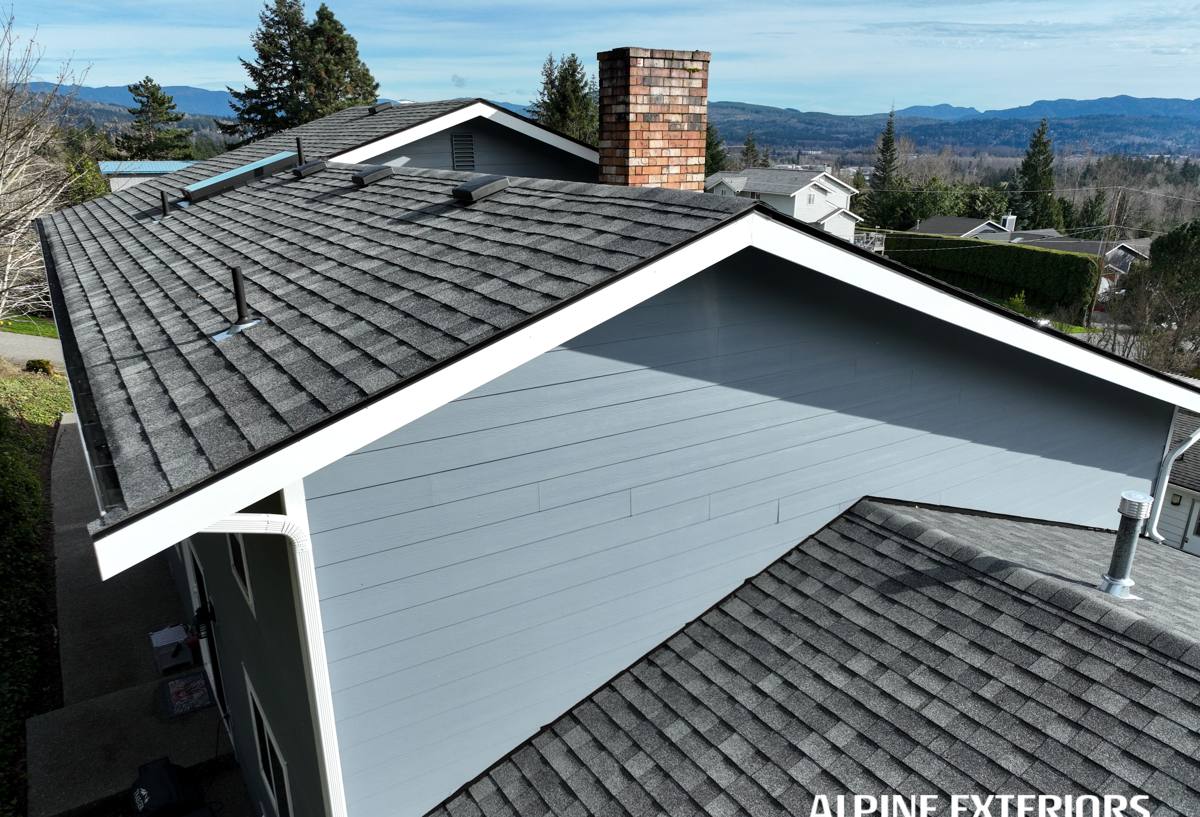
What St. Petersburg's Climate Does to a Roof
Homeowners in Bartlett Park deal with a specific combination of stressors that shortens the useful life of roofing materials and makes minor damage turn into major damage quickly if it's left alone.
- Hurricane-force winds: Even storms that don't make direct landfall can generate gusts strong enough to lift shingle edges, loosen ridge caps, and peel back flashing that was already starting to fail.
- Intense year-round UV exposure: Florida sun breaks down asphalt shingle oils and dries out sealants far faster than the manufacturer's climate assumptions in more temperate states.
- Wind-driven rain: Rain that comes in sideways during a squall finds gaps that vertical rain never would — around vent boots, skylights, and step flashing along walls.
- Salt air: Proximity to Tampa Bay means metal fasteners, flashing, and vent components corrode faster, especially on the side of the roof that faces prevailing winds off the water.
None of these factors work in isolation. A roof that's already brittle from UV exposure is far more vulnerable to wind uplift, and a fastener that's corroding from salt exposure is more likely to back out during a windstorm, opening a path for water. That's why an honest roof repair in this area has to account for all four at once, not just fix the symptom a homeowner happened to notice.
Common Roof Repair Issues We Find in Bartlett Park
Shingle and Underlayment Damage
Wind uplift and UV brittleness show up as cracked, curled, or missing shingles, often concentrated on the roof's windward slope. Once shingles lift, the underlayment beneath them is exposed to sun and moisture it was never designed to face directly, which accelerates the damage well beyond the shingles themselves.
Flashing and Penetration Leaks
Chimneys, plumbing vents, skylights, and wall step-flashing are the most common leak points on any Florida roof. Sealant around these penetrations dries and cracks under constant UV exposure, and once it fails, wind-driven rain finds its way in even during a modest storm.
Soft Decking and Water Staining
A slow leak that goes unaddressed for a season or two will soften the wood decking underneath the roofing material. This is the difference between a straightforward surface repair and a repair that also requires replacing sections of decking — which is why catching problems early matters as much as the repair itself.
Flat and Low-Slope Roof Wear
Many homes and additions in this part of St. Petersburg have flat or low-slope sections — garages, porches, or rear additions. These roofing systems rely on membrane integrity and proper drainage, and ponding water combined with sun exposure will wear through weak spots faster than a sloped shingle roof would show the same damage.
What a Correct Roof Repair Actually Involves
A repair that's done right starts before anyone gets on the roof. We inspect not just the area a homeowner points to, but the surrounding field of the roof, the attic underside for water staining or daylight gaps, and the flashing details at every penetration nearby. A leak rarely stays exactly where it entered — water travels along the decking and shows up somewhere else entirely, so tracing the actual path matters more than patching the visible symptom.
| Repair Step | Why It Matters in This Climate |
|---|---|
| Full inspection of the surrounding roof field, not just the reported spot | Wind and UV damage rarely stays isolated to one shingle or seam |
| Attic-side check for moisture, staining, and rot | Confirms whether decking needs repair, not just the roofing surface |
| Removal and replacement of damaged decking if found | A new shingle over soft wood will fail again within a season |
| Proper flashing reinstallation at penetrations | Sealant alone doesn't hold up to sustained wind-driven rain |
| Matching shingle or membrane material and fastening pattern | Mismatched materials and under-fastening are common causes of repeat leaks after storms |
Skipping any of these steps is how a "repaired" roof ends up leaking again after the next hard rain. We'd rather take the extra time to trace a leak correctly than send someone up for a quick patch that doesn't hold.
Our Process for Bartlett Park Homeowners
- Inspection and diagnosis. We assess the damage on the roof surface and, when accessible, from inside the attic to confirm where water is actually entering.
- Honest scope of work. We explain what needs repair versus what's cosmetic, and we won't recommend a full roof replacement when a targeted repair will genuinely hold.
- Material matching. We match shingle type, color, and profile as closely as possible, or address membrane repair with compatible materials for flat sections.
- Repair execution. Flashing, decking, and roofing material are addressed together so the fix holds through wind and rain, not just until the next storm.
- Final walk-through. We show the homeowner what was found and what was done, including any areas worth monitoring going forward.
Signs You Likely Need a Roof Repair Now
- Water stains on ceilings or upper walls, especially after a heavy rain
- Granules collecting in gutters or at the base of downspouts
- Visibly curled, cracked, or missing shingles after a storm
- Daylight visible through the attic roof deck
- Soft or spongy spots when walking near roof edges (for flat/low-slope sections)
- Rusted or lifted flashing around chimneys, vents, or skylights
Repair vs. Replacement: How We Make That Call
Not every damaged roof needs to come off. The honest question is whether the underlying decking and structure are sound and whether the remaining roofing material has enough life left to justify a targeted repair. A roof with isolated storm damage on an otherwise healthy surface is usually a repair candidate. A roof with widespread granule loss, multiple soft decking areas, or a history of repeated leaks in different spots is often past the point where repair makes financial sense, and we'll say so plainly rather than patch something that's going to keep failing.
| Factor | Favors Repair | Favors Replacement |
|---|---|---|
| Age of existing roof | Under roughly 10-12 years | Approaching or past expected lifespan |
| Extent of damage | Isolated to one area or penetration | Spread across multiple sections |
| Decking condition | Solid, no soft spots found | Multiple areas of rot or soft decking |
| Leak history | First occurrence or clear single cause | Repeated leaks in different locations |
Why Local Experience with This Neighborhood Matters
A roof repair crew that regularly works in Bartlett Park and the surrounding St. Petersburg neighborhoods knows the housing stock, the common construction details from different building eras, and how those roofs actually perform through a Pinellas County hurricane season. That familiarity shortens the diagnosis, since we're not guessing at how a particular roof type or flashing detail typically holds up in this specific climate — we've already seen it. It also means we're not disappearing after a storm; roofing crews that chase damage across the state after a hurricane and then leave the area aren't the ones who'll answer the phone if that repair needs attention again next year.
We stand behind the work we do in this community because we're going to still be here servicing it.
Maintenance That Extends a Repair's Lifespan
A roof repair holds up longer when it's paired with basic upkeep. Clearing debris from valleys and gutters keeps water moving off the roof instead of pooling against flashing. A visual check after any major storm — from the ground, not by climbing up — can catch lifted shingles or displaced flashing before the next rain gets underneath them. And having a roof looked at every couple of years, even with no obvious problems, catches the slow UV and salt-air wear before it turns into a leak.
If you're dealing with a leak, storm damage, or just want an honest read on your roof's condition, we're glad to take a look. Reach out for a free, no-pressure estimate using the form below.