 St. Petersburg Siding
 Why Decks Fail Faster in Childs Park's Climate
Childs Park sits inland from Tampa Bay, but "inland" in Pinellas County still means salt-laden air moving through the neighborhood on a regular basis, on top of the heat, humidity, and storm exposure every deck in St. Petersburg has to survive. A deck here is dealing with four things at once, year-round: intense UV that bakes wood and breaks down finishes, wind-driven rain that gets pushed sideways under railings and into joints, hurricane-force gusts that load the structure sideways instead of just straight down, and salt air that quietly corrodes fasteners and connectors long before the boards themselves look bad.
Most of the older homes in Childs Park have mature tree canopy, which is a mixed blessing for a deck. Shade cuts down on some UV exposure, but it also keeps decking damp longer after rain and cuts airflow underneath the structure. That combination is exactly what encourages rot in framing lumber and mildew staining on the deck surface, even on boards that are technically rated for outdoor use.
None of this means a deck can't last in this climate. It means the replacement has to account for these conditions from the framing up, not just swap out worn boards and call it done.
Repair or Full Replacement? How We Tell
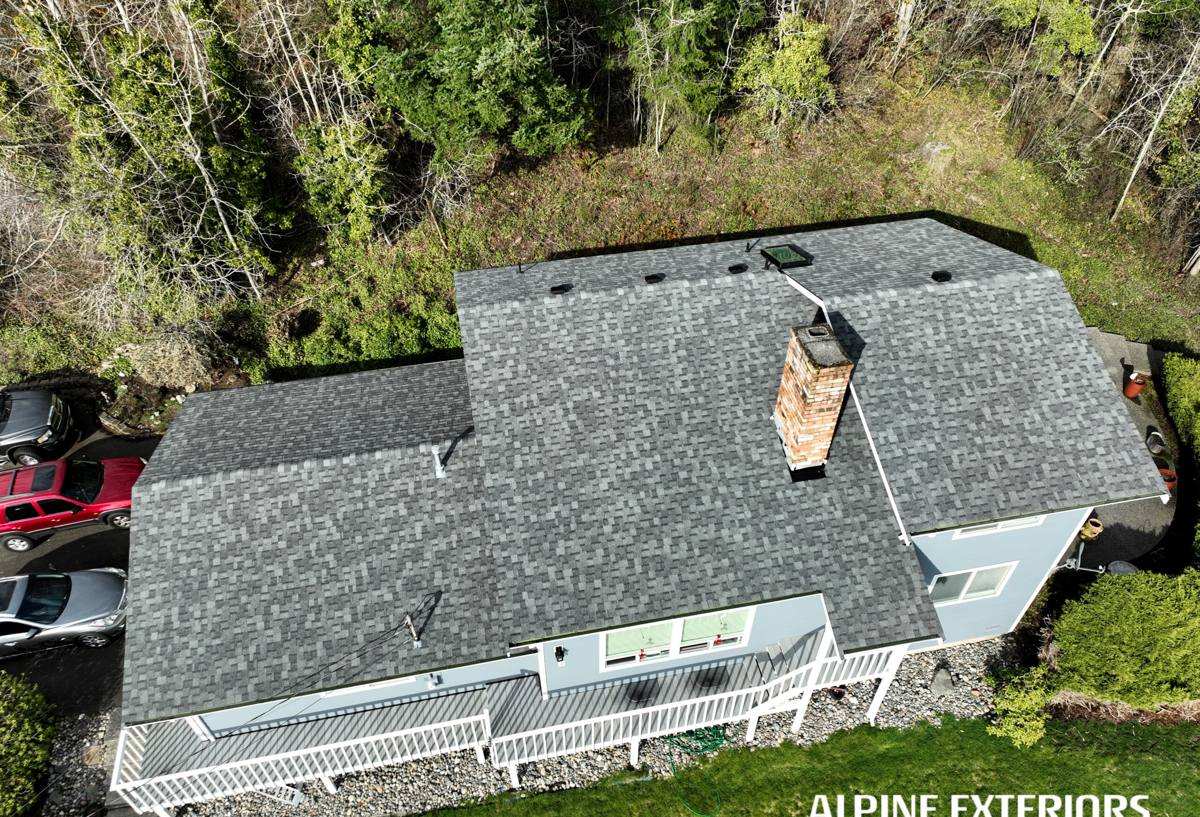
Not every tired-looking deck needs to come out. Surface graying, a few loose boards, or a railing that's worked itself loose can often be repaired. Replacement becomes the right call when the problem has moved past the surface and into the structure itself, or when the cost of chasing repairs one at a time starts to approach the cost of doing it right once.
Signs pointing to replacement, not repair
- Soft, spongy, or spring-back decking in multiple areas, not just one board
- Rust streaking around fasteners or visible corrosion on joist hangers and brackets
- A ledger board (where the deck attaches to the house) that's soft, gapped, or showing water staining on the siding or fascia above it
- Posts or footings that have shifted, settled, or show wood contact with standing soil or water
- Railings that wobble at the post connection rather than just at the balusters
- A structure built without visible flashing at the ledger, which is common in older, informally-built decks
- Persistent mildew or algae staining that keeps coming back within weeks of cleaning
If you're only seeing one or two of these and they're isolated, a repair may hold. If you're seeing several at once, especially anything involving the ledger board or footings, that's a structural issue, not a cosmetic one, and repair work at that point is usually just delaying a replacement while adding cost.
What a Correct Deck Replacement Involves
A deck replacement that's actually built for this climate isn't just new boards over the old frame. It starts underneath, where the damage usually begins.
Substructure and framing
The framing lumber, posts, and footings take the real structural load, including wind uplift and lateral force during storms. We check footing depth and condition, post connections, and joist spacing against current code rather than just matching what was there before, since a lot of older decks in this area were framed to standards that predate current Florida wind-load requirements. Any framing lumber going back in gets proper ground clearance and, where it meets the house, correct ledger attachment with flashing that actually sheds water away from the structure instead of trapping it against the house.
Fasteners and hardware
This is where a lot of decks in salt-air environments quietly fail years before the wood does. Standard galvanized fasteners and connectors corrode faster near the coast, and once a joist hanger or ledger bolt weakens, the whole connection is compromised even if the boards on top still look fine. We use stainless steel or coated fasteners and connectors rated for coastal and treated-lumber exposure, matched to whatever decking material goes on top, since mismatched metals can accelerate corrosion at the connection point.
Decking material
Once the structure is sound, the decking surface itself is largely a matter of budget, maintenance tolerance, and how the deck gets used. We'll walk through the honest trade-offs below rather than push one option.
Choosing a Decking Material for St. Petersburg's Climate
There's no universally "best" decking material, only the right fit for your budget, how much maintenance you're willing to do, and how the deck will be used. Here's how the common options actually perform under Pinellas County sun, humidity, and salt exposure.
| Material | Upfront Cost | Maintenance | Heat and UV Behavior | Typical Lifespan |
|---|---|---|---|---|
| Pressure-treated wood | Lowest | Annual sealing/staining recommended; more sensitive to moisture cycling | Can splinter and gray under intense UV without upkeep | 10–15 years with regular maintenance |
| Capped composite | Mid to high | Occasional washing; no sealing or staining needed | Better UV stability than wood; darker colors can get noticeably hot in direct sun | 20–30 years |
| PVC/cellular decking | Highest | Lowest of the three; wipes clean, fully moisture-resistant | Very stable in humidity; heat retention varies by color, similar to composite | 25+ years |
Wood costs the least going in but asks the most of you over time, especially in a climate where sun and humidity are working against a sealed finish every day of the year. Composite and PVC cost more upfront but hold up better against the moisture cycling that's constant here between wind-driven rain and coastal humidity. We install all three, and we'll tell you honestly which one fits how you actually plan to use and maintain the deck, rather than defaulting to whatever has the best margin.
Permits, Code, and Wind Load in Pinellas County
Deck replacement in St. Petersburg generally requires a permit, and for good reason: framing, footing depth, guardrail height, and connection hardware are all things inspectors check specifically because they're the parts that fail first in a storm. Pinellas County's wind-load requirements reflect its hurricane exposure, which means ledger attachment, joist hanger fasteners, and post-to-footing connections all have to meet standards that are more demanding than what you'd see inland.
Skipping the permit process might save time upfront, but it also means no third-party check on the structural work that matters most, and it can complicate things later if you go to sell the home or file an insurance claim after storm damage. We pull permits and schedule inspections as a standard part of the job, not an add-on.
Our Deck Replacement Process
- On-site assessment — we inspect the existing deck's framing, ledger board, footings, and hardware to confirm whether replacement is actually needed and identify any hidden damage before work starts.
- Design and material selection — we go over decking material, railing style, and layout options based on your budget and how the deck gets used.
- Permitting — we handle the permit application and coordinate required inspections through the city or county.
- Demolition — the old deck comes out, including checking what's underneath (posts, footings, ledger condition) once it's exposed.
- Framing and structural work — new or reinforced framing goes in to current code, with corrosion-resistant hardware throughout.
- Decking and railing installation — the surface material and railings go on per manufacturer specs and local code for guardrail height and baluster spacing.
- Final inspection and walkthrough — we confirm the permit inspection passes and walk the finished deck with you before calling the job done.
Why a Crew That Works Childs Park Regularly Matters
A deck replacement isn't just a materials question, it's a site-specific one. Knowing the typical lot conditions, tree cover, and soil drainage patterns in a neighborhood like Childs Park means fewer surprises once demolition exposes what's actually going on underneath the old deck. A crew that's already pulled permits with the local building department knows what inspectors are looking for and how to avoid the back-and-forth that slows a project down. And because we're already working in the area, scheduling, material delivery, and any warranty follow-up don't involve a crew driving in from across the bay.
Maintaining Your New Deck After Installation
Whatever material you choose, a few habits go a long way in this climate. Rinse off pollen, salt residue, and organic debris periodically, especially after storms, so it doesn't sit and hold moisture against the surface. Keep an eye on drainage underneath the deck so water isn't pooling near posts or footings. If you go with wood, stay on top of the resealing schedule rather than letting it lapse, since UV damage compounds quickly once a finish starts to fail. Composite and PVC owners still benefit from an occasional wash to keep mildew from taking hold in shaded areas.
If your current deck is showing any of the warning signs above, or you're just ready for something built to actually hold up to what St. Petersburg throws at it, we're happy to come take a look. Estimates are free, there's no pressure, and you'll get a straight answer about whether you need a repair or a full replacement. The form below is the easiest way to get started.