 St. Petersburg Siding
 Why Siding Choice Matters More in Childs Park
Childs Park is a well-established residential neighborhood in St. Petersburg, and like most of the city's older housing stock, its homes have spent decades absorbing everything Pinellas County weather can throw at them. That's not a small thing when you're deciding what to put on the exterior walls. Between the Gulf's salt-laden air, the summer humidity that never really lets up, intense year-round UV exposure, and the wind-driven rain that comes with tropical systems and hurricane-strength gusts, exterior cladding here works harder than it does almost anywhere else in the country.
A lot of the siding still on Childs Park homes was installed under older codes, with older materials, or by installers who treated it as a cosmetic job rather than a weatherproofing system. That's usually where the trouble starts — not because the product itself was bad, but because it wasn't matched to this climate or wasn't installed with this climate in mind.
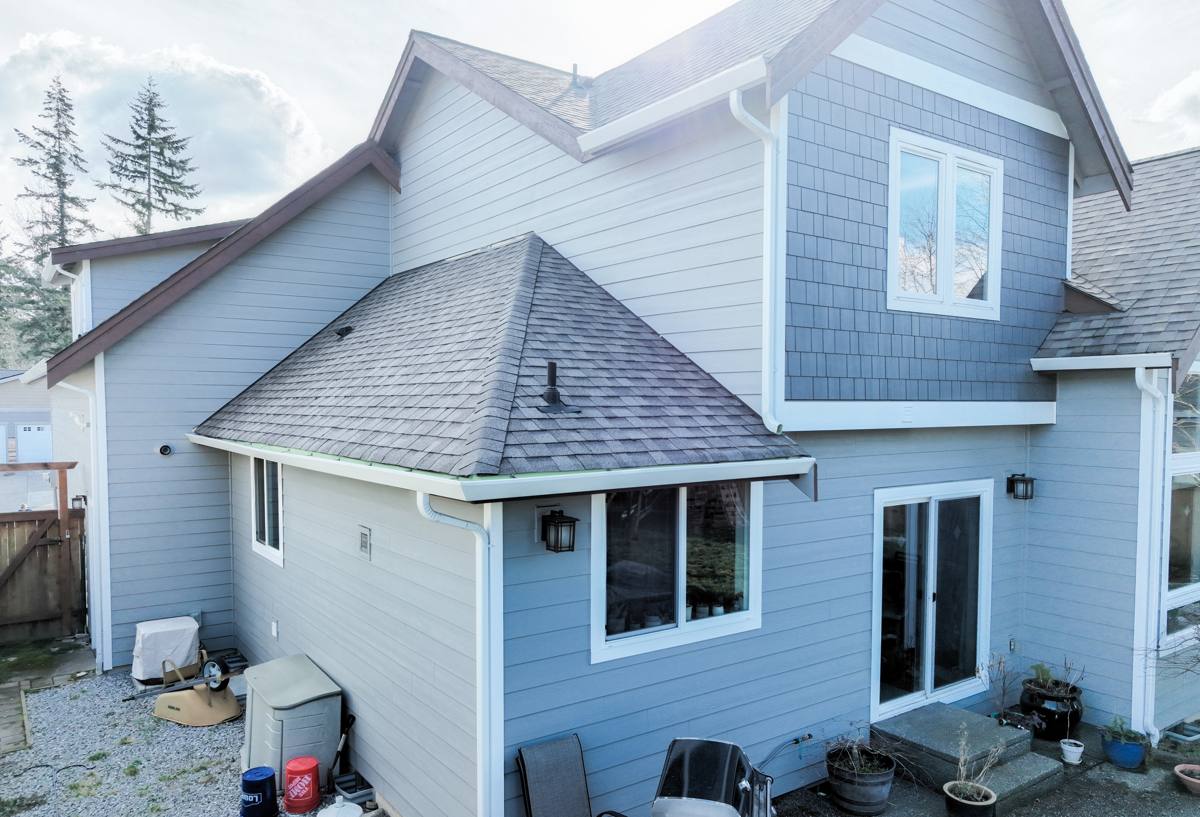
What This Climate Actually Does to Siding
It helps to be specific about the stresses at play, because they're not the same stresses siding faces in a drier or cooler part of the country:
- Salt air corrosion — St. Petersburg's proximity to the water means airborne salt settles on exterior surfaces and accelerates the breakdown of fasteners, coatings, and untreated wood products.
- UV degradation — Florida sun is intense nearly every month of the year, which fades paint, dries out caulk, and breaks down the surface of materials that aren't engineered for it.
- Wind-driven rain — Storms here don't just drop water, they push it sideways and up under laps, seams, and trim, which is where poor installation shows up first.
- Hurricane-force wind loads — Panels and boards need to stay fastened and intact through sustained high winds and flying debris, not just look good on a calm day.
- Humidity and moisture cycling — Constant swings between wet and dry accelerate rot, swelling, and mold growth on anything that isn't moisture-stable.
Any siding product can be marketed as "durable." The real test is how it performs under this specific combination of conditions, year after year, without constant intervention from the homeowner.
Why We Install Only James Hardie Fiber Cement
We don't offer vinyl, LP SmartSide, or other wood-based composite siding — not because those products don't have a place somewhere, but because we don't think they hold up to Pinellas County conditions the way our customers deserve. Vinyl can warp and become brittle under sustained UV and heat. Wood-based composite products are more sensitive to moisture intrusion at cut edges and seams, which matters a great deal in a climate with this much wind-driven rain and humidity. James Hardie fiber cement is non-combustible, dimensionally stable in heat and moisture, and Hardie makes climate-specific "HZ" formulations engineered for exactly the humid, high-moisture conditions found along the Gulf Coast.
That's the whole reason we standardized on one product line instead of offering several. It lets us get genuinely good at installing it correctly, rather than being average at installing five different products.
HardieZone HZ5 vs. HZ10
James Hardie engineers its siding for different climate zones. Homes in this part of Florida fall into the warmer, more humid HZ10 zone, and the formulation is built to resist the moisture and heat exposure that's typical here rather than the freeze-thaw cycling that products in northern zones need to handle. Making sure the correct HZ formulation and installation specs are used for this region is a basic but often overlooked step.
What a Correct James Hardie Installation Involves
The material is only half the equation. Most siding failures we're called out to inspect in older neighborhoods aren't material failures — they're installation shortcuts that let water behind the cladding. A correct install on a Childs Park home includes:
Moisture Barrier and Substrate Prep
Before any siding goes up, the wall sheathing needs to be sound and a proper weather-resistive barrier installed correctly — lapped shingle-style so water sheds outward, not into the wall cavity. Skipping or rushing this step is invisible once the siding is on, which is exactly why it's the step most likely to get cut corners.
Fastening and Clearances
James Hardie specifies exact fastener types, spacing, and penetration depth, along with minimum clearances from grade, roofing, decks, and other surfaces. These aren't arbitrary — they're what keeps water from wicking into the bottom edge of boards and what keeps panels secured under high wind loads. In a market that sees hurricane-force gusts, fastening to spec isn't optional trim work, it's structural.
Joints, Seams, and Caulking
Butt joints, corners, and penetrations (vents, outlets, hose bibs) are where wind-driven rain finds its way in. Correct installation means proper flashing at those points and the right sealant used sparingly and in the right places — caulk is a backup, not the primary defense.
ColorPlus Factory Finish
We install James Hardie's ColorPlus prefinished boards wherever possible rather than field-painted siding. The factory-applied finish is baked on and formulated to resist UV fading and moisture intrusion far better than a job-site paint job, which matters enormously given how much direct sun Pinellas County homes take on throughout the year.
Comparing Siding Options for This Climate
| Factor | James Hardie Fiber Cement | Vinyl | Wood-Based Composite |
|---|---|---|---|
| UV / fade resistance | Strong (ColorPlus factory finish) | Fades and can become brittle over time | Depends on paint upkeep |
| Wind resistance | Engineered for high wind zones when installed to spec | Can crack or blow off in high winds | Moderate, fastener-dependent |
| Moisture / rot risk | Non-combustible, moisture-stable material | Low rot risk but can trap moisture behind panels | More sensitive to moisture at cut edges and seams |
| Salt air durability | Holds up well with correct fasteners | Fasteners and trim can corrode | Requires diligent maintenance |
| Maintenance | Low — occasional wash, repaint only if not ColorPlus | Low but limited repair options | Higher — paint and sealant upkeep |
Signs Childs Park Homeowners Should Watch For
If your current siding is original to the house or hasn't been inspected in a while, a few warning signs tend to show up first in this climate:
- Soft or spongy spots when pressed, especially near the bottom edges or around window trim
- Visible warping, buckling, or gaps at seams and corners
- Paint that's peeling or bubbling faster than expected, which often points to trapped moisture underneath
- Staining or discoloration that keeps returning after cleaning
- Siding that flexed or came loose during the last storm season
Any of these are worth a professional look before they turn into sheathing or framing damage, which is a much bigger repair.
Our Process for a Childs Park Siding Job
We approach every home in this neighborhood the same methodical way:
- On-site inspection — we look at the existing siding, sheathing condition, and any signs of prior moisture intrusion before quoting anything.
- Product and color selection — walking through James Hardie's plank, shingle, and panel options along with ColorPlus color choices suited to the home and neighborhood.
- Tear-off and substrate check — removing old siding gives us a direct look at the sheathing, which sometimes needs repair before new siding goes on.
- Weather barrier and flashing installation — done to manufacturer spec, not shortcuts.
- Hardie installation — fastened, spaced, and finished according to James Hardie's published installation guidelines for this climate zone.
- Final walkthrough — checking seams, trim, and clearances before calling the job done.
Why Local, Neighborhood-Specific Experience Matters
A siding crew that's actually worked on homes in Childs Park and the surrounding St. Petersburg area understands things a crew unfamiliar with this part of Pinellas County might not — the typical age and construction of homes in the area, how sun exposure varies by lot orientation, and what kind of storm exposure to plan fastening around. That local pattern recognition often means catching a moisture or substrate issue before it becomes a bigger problem mid-project, rather than after the siding is already up.
Maintenance After Installation
One of the practical advantages of James Hardie with a ColorPlus finish is how little ongoing maintenance it asks for compared to painted wood-based products. A yearly rinse to clear off salt residue and pollen, a visual check of caulking at trim and penetrations after storm season, and prompt attention to any impact damage is generally all it takes to keep it performing well for the long haul.
If you're weighing your options for a Childs Park home, we're happy to take a look and give you a straightforward, no-pressure estimate — no obligation, just an honest read on what your siding needs. Fill out the form below to get started.