 St. Petersburg Siding
 Childs Park Homes Take a Real Beating From Florida Weather
Childs Park is one of St. Petersburg's older established neighborhoods, and that means a lot of the homes here have already lived through decades of Pinellas County summers, hurricane seasons, and humidity. Siding that looked fine ten or fifteen years ago is often past its useful life now, and it's not always obvious from the curb. The damage that matters most on a Florida exterior happens slowly, underneath the surface, long before a homeowner notices a problem.
Four things drive siding failure in this part of St. Petersburg, and they compound each other:
- Hurricane-force wind events that flex panels, work fasteners loose, and drive water behind seams that were never designed to handle sideways rain
- Intense, near year-round UV exposure that breaks down paint films, fades color, and dries out anything not engineered for this climate
- Wind-driven rain that gets pushed horizontally into laps, corners, and trim joints rather than simply running downward off the wall
- Salt-laden air that travels well inland from Tampa Bay and the Gulf, accelerating corrosion on fasteners and trim hardware even on homes not directly on the water
None of this is unique to Childs Park specifically, but it's the reality for every home in this pocket of St. Petersburg, and it's why a siding replacement done here needs to be treated differently than the same job in a drier, milder climate.
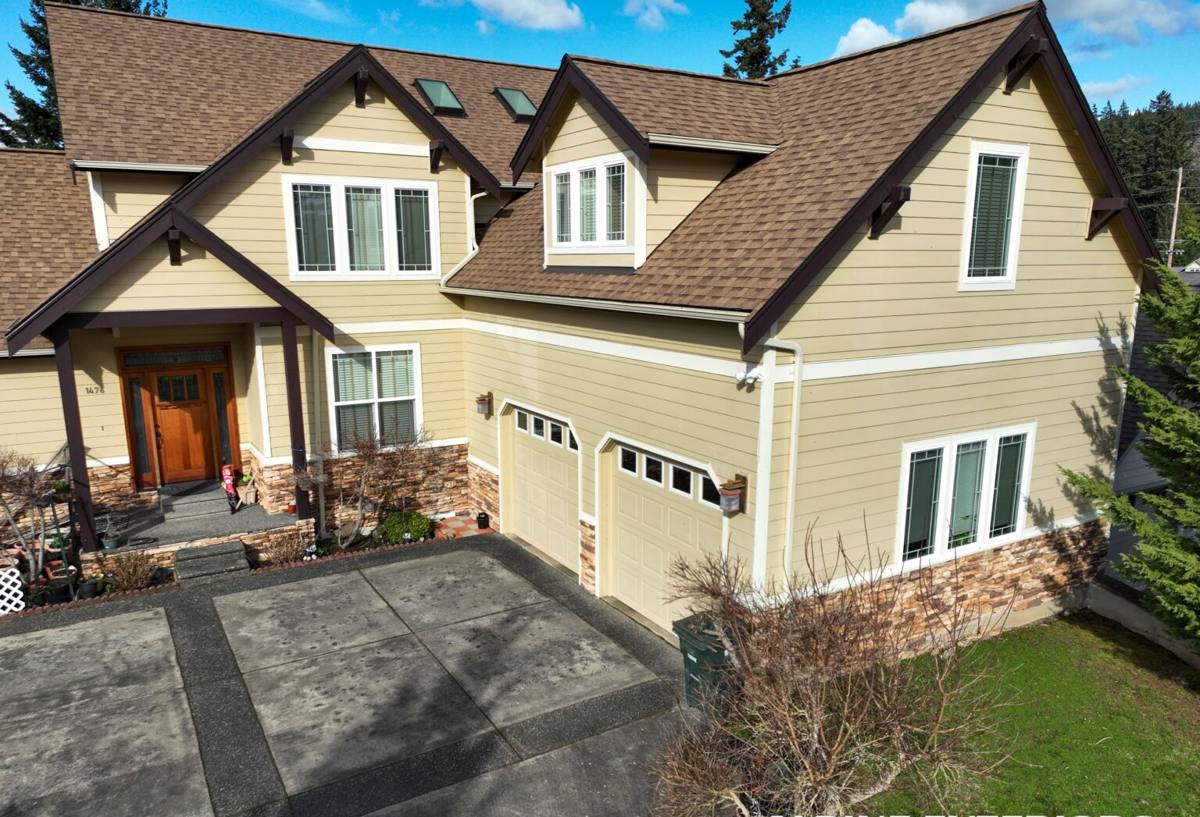
How to Tell Your Siding Has Reached the End of Its Life
Most siding doesn't fail all at once. It shows warning signs first, and catching them early can be the difference between a straightforward replacement and a job that also involves repairing rotted sheathing or framing underneath.
- Soft, spongy, or crumbling spots when you press on the siding, especially near the bottom courses
- Visible warping, buckling, or panels that no longer sit flat against the wall
- Paint that's peeling, bubbling, or chalking heavily even a few years after being repainted
- Cracks or gaps opening up at seams, corners, and around window and door trim
- A musty smell or visible staining on interior walls that share an exterior wall with damaged siding
- Increasing pest activity — carpenter ants and other wood-seeking insects often move in once siding starts to hold moisture
- Rising cooling bills with no other explanation, which can point to compromised insulation and air sealing behind failing siding
If two or more of these apply to your home, it's worth having someone look at the wall assembly itself, not just the visible siding.
What a Correct Siding Replacement Actually Involves
Full Tear-Off and Inspection, Not a Cover-Up
Siding replacement done right starts by removing the old material entirely, not installing new panels over old ones. That's the only way to find out what's actually happening behind the wall — rotted sheathing, compromised framing, old moisture damage that's been hidden for years. Skipping this step is how homeowners end up with new siding over an old, unresolved problem.
Water Management Comes Before the Siding Goes On
In a climate where wind-driven rain is a regular occurrence, the weather-resistive barrier and flashing details matter as much as the siding itself. Proper house wrap, correctly lapped and taped, along with flashing at every window, door, and penetration, is what actually keeps water out of the wall. The siding is the visible layer; the water management system underneath is what does the real work during a storm.
Fastening and Clearances Built for Wind and Moisture
Fastener spacing, type, and placement all affect how well siding holds up in high wind, and ground clearance affects how much splash-back moisture the bottom courses absorb over time. These details are spelled out in manufacturer installation instructions for a reason — they're based on real wind and moisture testing, not guesswork.
A Finish That Can Actually Take Florida Sun
UV degrades ordinary paint films faster in Florida than almost anywhere else in the country. A finish that isn't engineered for this kind of sun exposure will chalk, fade, and need repainting on a much shorter cycle than homeowners expect.
Why We Install Only James Hardie Fiber Cement Siding
We made a deliberate decision as a company to install one siding system — James Hardie fiber cement — and nothing else. Not vinyl, not LP SmartSide, not Cemplank, not Allura, not primed wood or cedar. That's not a marketing position; it's a standard we hold because of what we've seen matter over the long run in this exact climate.
Fiber cement is non-combustible, which matters in a state where lightning and electrical fires are a real risk alongside hurricanes. James Hardie's HZ product lines are specifically engineered for high-humidity, high-moisture climates like ours, with formulations designed to resist moisture-related damage better than standard fiber cement. The ColorPlus finish is baked on at the factory under controlled conditions, which gives it far better UV and fade resistance than field-applied paint — a meaningful advantage given how much sun this region gets nearly every month of the year. And the warranty structure is transferable and backed by a large, established manufacturer, not a smaller regional producer.
Other products have real strengths — vinyl is inexpensive and wood has a look some homeowners love — but each comes with trade-offs we're not willing to install and then stand behind: vinyl can warp and become brittle under sustained heat and UV, engineered wood products carry moisture sensitivity that's a serious liability near the coast, and traditional wood siding demands a maintenance schedule most homeowners underestimate. We'd rather install one product correctly than offer several and hope each one holds up.
Comparing Siding Options for a Pinellas County Home
| Factor | James Hardie Fiber Cement | Vinyl | Engineered Wood / LP |
|---|---|---|---|
| Wind resistance | Engineered for high-wind installation specs | Can flex, crack, or blow off in high wind | Moderate; sensitive to impact |
| UV / fade resistance | Factory-baked ColorPlus finish | Fades and chalks over time | Field paint fades faster |
| Moisture behavior | Engineered for humid climates (HZ5) | Doesn't rot but traps moisture behind panels | Vulnerable to swelling if compromised |
| Combustibility | Non-combustible | Combustible | Combustible |
| Typical lifespan when installed to spec | Decades, with strong transferable warranty | Shorter, especially in intense sun | Shorter if moisture-exposed |
Our Process, Start to Finish
- On-site evaluation: We walk the exterior, check for soft spots and existing damage, and talk through what we're seeing before anything is quoted.
- Written estimate: A clear scope of work — what's being removed, what's being repaired if we find damaged sheathing, and exactly which Hardie product and color you're getting.
- Tear-off and inspection: Old siding comes off, the sheathing and framing get inspected, and any necessary repairs are addressed before anything new goes up.
- Water management installation: House wrap and flashing are installed and detailed at every penetration.
- Hardie installation to manufacturer spec: Correct fastening, clearances, and joint treatment, following James Hardie's published installation requirements for our climate zone.
- Final walkthrough: We go over the finished job with you before calling it done.
What Affects the Cost of a Siding Replacement
| Cost Factor | Why It Matters |
|---|---|
| Home size and wall complexity | More corners, gables, and dormers mean more cutting, trim work, and labor time |
| Extent of hidden damage | Rotted sheathing or framing found during tear-off adds repair scope |
| Siding profile and color | Lap width, shingle-style panels, and premium ColorPlus colors vary in material cost |
| Trim and accessory work | Window and door trim, corner boards, and soffit/fascia work add to the total |
| Access and site conditions | Two-story sections, tight lot lines, and landscaping can affect labor time |
We don't quote broad ballpark numbers without seeing the home, because the variables above genuinely change the total. What we can tell you upfront is that we price the job as one clear, itemized scope — not a low number that grows once work has started.
Why It Matters to Hire a Crew That Already Works in Childs Park
Siding replacement in St. Petersburg isn't the same job as siding replacement in a dry inland climate, and a crew that mainly works elsewhere doesn't always account for that. A contractor who regularly works in this part of Pinellas County understands local wind exposure considerations, knows what permitting and inspection typically involve in the City of St. Petersburg, and has already seen how the housing stock in neighborhoods like Childs Park tends to be built — which means fewer surprises once tear-off starts.
There's also a practical accountability argument: a local crew with an ongoing presence in the community has every reason to install the job correctly the first time and to be reachable afterward if a question comes up. That's a different relationship than a traveling crew that's moved on to another region by the time a homeowner notices something worth a follow-up call.
Ready to Talk About Your Home's Siding?
If your Childs Park home is showing any of the warning signs above, or if it's simply been years since the siding was last replaced, we're happy to take a look and give you an honest read on where things stand. There's no pressure and no obligation — just a straightforward evaluation and a clear estimate if replacement makes sense. Fill out the form below to get started.