 St. Petersburg Siding
 Coquina Key sits out on its own peninsula on St. Petersburg's southeast side, surrounded on three sides by water. That location is part of what makes it a desirable place to live — and part of what makes exterior materials work harder here than almost anywhere else in Pinellas County. Board and batten siding, with its bold vertical lines and deep shadow reveals, is a popular choice for homeowners in this neighborhood who want a look that stands apart from the flat ranch-style facades common throughout the area. Done right, with the right material, it's also one of the more durable siding profiles you can put on a coastal home. Done wrong, or with the wrong product, it's one of the first styles to show water damage, because every vertical batten seam is a potential path for moisture to find its way behind the wall.
This page is about getting board and batten right for a Coquina Key home specifically — what the peninsula's climate demands, what correct installation actually involves, and why the crew you hire matters as much as the material.
Why Coquina Key Is a Tougher Environment for Siding Than It Looks
Coquina Key doesn't get hurricane winds every year, but when a storm does track through Tampa Bay, homes on this peninsula catch wind from open water with very little to slow it down. That's a real load on any vertical siding profile — board and batten has more raised edges and more fastener lines than a flat lap profile, so every one of those needs to be attached to a material and a fastening schedule built for wind, not just nailed up and caulked.
Between storms, the more constant stress is UV and humidity. St. Petersburg sees sun exposure nearly every day of the year, and that relentless UV breaks down pigments and surface coatings on lesser materials faster than homeowners expect. Add in wind-driven rain off the bay and the salt air that comes with living this close to the water, and you've got a combination that punishes anything with a weak factory finish or a substrate that swells when it gets wet.
What This Means for Board and Batten Specifically
- Vertical battens create more seams and more fastener penetrations than horizontal lap siding — every one is a potential water entry point if flashed or caulked incorrectly
- Raised battens catch wind load differently than flat panels, so fastening patterns matter more
- Sun hits vertical siding at different angles throughout the day, which shows uneven fading faster on a weak finish
- Salt air accelerates corrosion on fasteners and trim that aren't rated for coastal exposure
Why We Only Install James Hardie for This Application
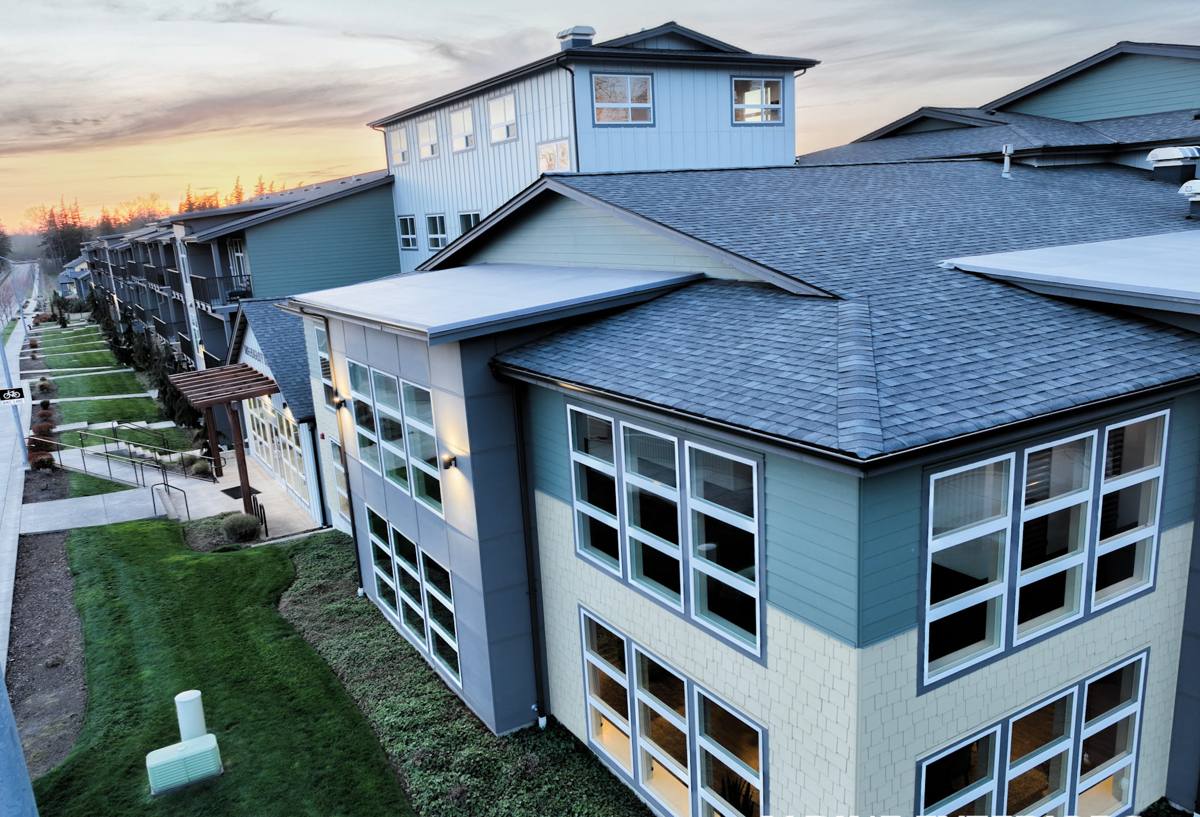
Board and batten is one of the profiles where the material choice matters the most, because the vertical seams and exposed battens give a lesser product more opportunities to fail. That's why we install this style exclusively in James Hardie fiber cement, using their HZ5 product line engineered for high-humidity, coastal-exposure climates like ours.
Fiber cement doesn't swell, rot, or delaminate when it absorbs moisture the way wood-based or wood-adjacent products can. It's also non-combustible, which matters to insurers in Florida. And Hardie's ColorPlus factory-applied finish is baked on and warranted against fading in a way that field-applied paint on other materials generally isn't — which matters a lot on a profile with this much sun-exposed vertical surface area.
We get asked sometimes about vinyl board and batten or engineered wood alternatives, since both are cheaper up front. We don't install either. Vinyl board and batten on a coastal property tends to show its seams and can warp or fade unevenly under sustained UV, and it's not a material built to stand up to wind-driven rain intrusion at the seams over decades. Engineered wood products carry real moisture-management requirements that are difficult to guarantee will be followed correctly for the life of the product in a humid coastal environment, and once moisture gets into a wood-based substrate, the damage is usually hidden until it's advanced. Fiber cement removes that particular risk entirely.
What Correct Board and Batten Installation Involves
Board and batten is not a profile where you can cut corners and hope caulk covers the difference. The installation sequence is what actually determines whether the siding performs for the next several decades or starts leaking behind the wall in year five.
The Water Management Layer Comes First
Before a single board goes up, the wall needs a correctly lapped weather-resistant barrier and properly integrated flashing at every window, door, and penetration. On a peninsula home exposed to wind-driven rain from multiple directions, this layer is what actually keeps water out — the siding itself is the second line of defense, not the first.
Fastening and Batten Spacing
Battens need consistent spacing and a fastening schedule that accounts for local wind exposure, not a generic national default. We follow James Hardie's published fastening specifications for our wind zone, using corrosion-resistant fasteners appropriate for salt air exposure rather than standard hardware that will corrode and stain the face of the siding within a few years.
Joints, Corners, and Trim
Every butt joint, outside corner, and trim transition on a board and batten installation is a place water can get behind the material if it's not flashed and sealed correctly. We treat trim and corner details as part of the water management system, not just a finishing touch.
| Detail | Why It Matters on Coquina Key |
|---|---|
| Weather-resistant barrier lapping | Primary defense against wind-driven rain off open water |
| Fastener corrosion resistance | Salt air accelerates rust and staining on standard hardware |
| Batten fastening schedule | Vertical profile carries wind load differently than lap siding |
| Factory-applied finish (ColorPlus) | Field paint fades faster under year-round Florida UV |
| Flashing at joints and penetrations | Every seam is a potential entry point for moisture |
Our Process for a Coquina Key Board and Batten Project
1. On-Site Assessment
We walk the property and look at existing siding condition, current flashing and trim details, exposure direction relative to the water, and any signs of past moisture intrusion. Peninsula homes with water on multiple sides sometimes need extra attention on the walls that take the most direct wind and rain.
2. Material and Detail Plan
We spec the Hardie board and batten profile, reveal width, and color, and map out flashing and trim details before ordering material. This is also where we flag any substrate repair needed underneath the existing siding.
3. Tear-Off and Substrate Check
Old siding comes off and we inspect the sheathing underneath for water damage before installing anything new. Covering up existing rot with new siding just hides the problem — we address it first.
4. Water Management Layer
Weather-resistant barrier and flashing go in correctly lapped and integrated at every opening, before the first board goes up.
5. Installation to Spec
Boards and battens go up following James Hardie's fastening and spacing requirements for our wind exposure, with corrosion-resistant fasteners throughout.
6. Final Walkthrough
We walk the finished job with the homeowner, check every trim line and joint, and go over care and warranty coverage.
Why Hiring a Crew That Already Works Coquina Key Matters
A contractor who's worked this peninsula understands that a home two streets from open water needs different attention than one further inland, even within the same neighborhood. We know the wind exposure patterns here, we know how relentless the UV is on south- and west-facing walls, and we know what a proper coastal fastening schedule and flashing detail actually look like — not just from a manual, but from doing this work in this specific environment. That local familiarity, combined with installing only one material system we stand fully behind, is what separates a board and batten job that lasts thirty years from one that needs attention in five.
What to Look for in Any Siding Contractor Here
- Manufacturer training or certification on the specific fiber cement system they're installing
- A clear explanation of their flashing and water management approach, not just the visible siding
- Willingness to explain fastening schedules for wind exposure, not just "we've always done it this way"
- A written warranty that covers both material and workmanship
- Local references or project history in Pinellas County specifically
If you're considering board and batten siding for a home in Coquina Key, we're happy to walk the property, look at what you're working with, and give you a straightforward, no-pressure estimate. Use the form below to get started.