 St. Petersburg Siding
 Coquina Key's Siding Has a Harder Job Than Most
Coquina Key sits on the water, and that changes what a homeowner should expect from their siding. Canal-front and near-waterfront properties in this part of St. Petersburg deal with a combination of stresses that inland Pinellas County homes simply don't see at the same intensity: near-constant humidity, salt-laden air moving off the water, direct year-round Florida sun, and the wind-driven rain that comes with every serious storm off Tampa Bay. Add hurricane-force wind gusts during the active season, and you have an environment that finds every weakness in a home's exterior faster than almost anywhere else in the region.
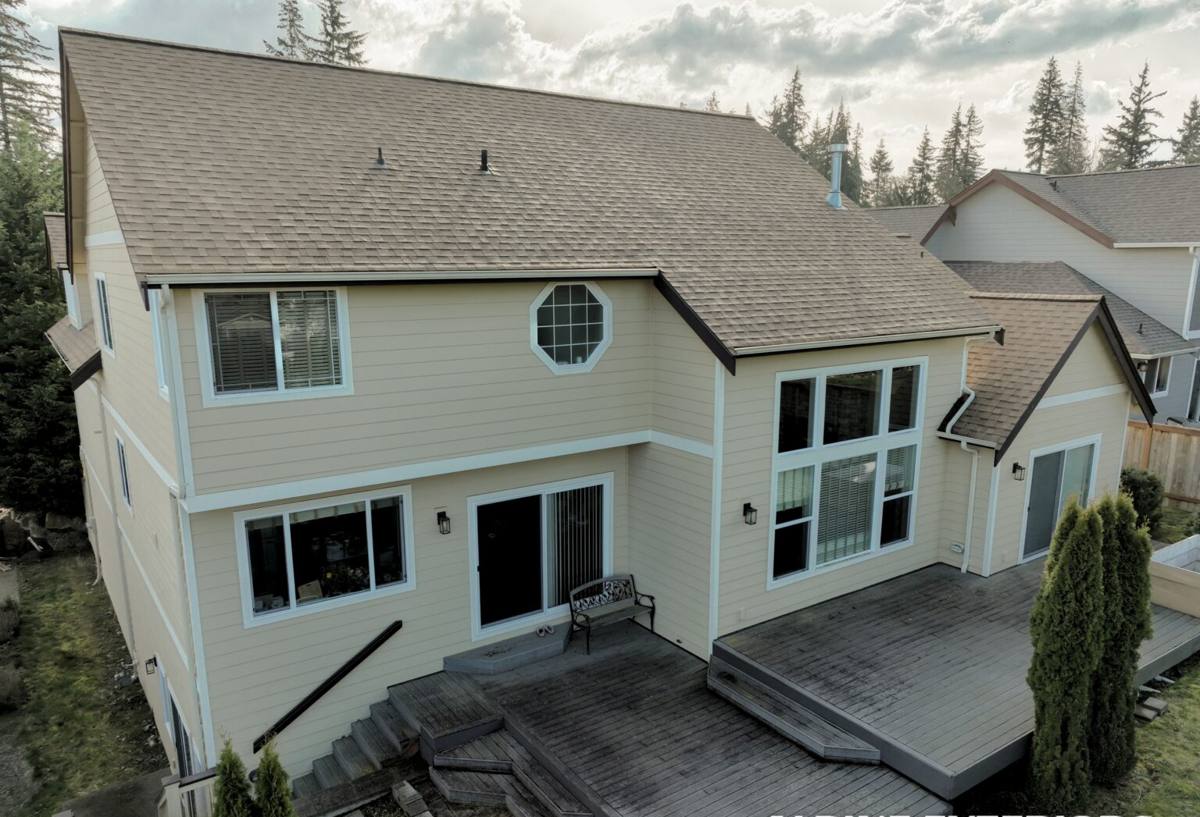
Siding here isn't just cosmetic. It's the first line of defense against moisture intrusion, wood rot, and structural water damage. When we talk to Coquina Key homeowners about siding, the conversation almost always starts with what's already failed — chalky or peeling paint, soft spots near the bottom of walls, warped panels, or siding that looks tired years before it should.
What Waterfront Exposure Does to Siding Over Time
Salt air is corrosive and hygroscopic — it pulls moisture out of the atmosphere and deposits fine salt particles on every exterior surface. On wood-based products like LP SmartSide or primed cedar, that combination of salt and humidity accelerates the breakdown of the panel's surface layer, especially at seams, corners, and anywhere caulking has started to fail. Vinyl siding fares differently but no better in this environment: intense UV exposure fades and embrittles vinyl over the years, and Florida's summer heat can cause it to warp or buckle, especially on walls that get full afternoon sun.
Then there's wind. Coquina Key homes need siding that stays fastened and intact under sustained gusts, not just siding that looks good on a calm day. A product that's marginal in wind resistance, or installed with the wrong fastener pattern, is the kind of thing that turns a bad storm into an expensive repair.
The Three Forces Working Against Your Siding
- Salt air corrosion: attacks fasteners, trim, and any exposed wood substrate over time
- UV degradation: fades color and breaks down surface coatings on lower-grade products
- Wind and wind-driven rain: tests every seam, joint, and fastener the moment a storm rolls through
Why We Install Only James Hardie Fiber Cement in This Neighborhood
We install James Hardie fiber cement siding exclusively — not vinyl, not LP SmartSide, not Cemplank, not Allura, not primed spruce or cedar. That's a deliberate standard, not a limitation of what we're capable of installing. Fiber cement is a cement, sand, and cellulose fiber composite. It doesn't have the organic wood content that invites rot, and it isn't a petroleum-based product that softens and warps under sustained Florida heat. For a neighborhood like Coquina Key, where the water is close and the sun is relentless, that combination of properties matters more than it does in a lot of other places.
James Hardie's HZ product lines are engineered specifically for regional climate demands, including humidity and moisture exposure common along Florida's coast. The ColorPlus finish is a factory-applied, baked-on finish that resists fading far better than field-applied paint, which matters enormously on a home that gets constant reflected sun and salt exposure. Fiber cement is also non-combustible, which is a real, practical benefit independent of the weather — it simply doesn't burn the way wood-based or vinyl products can.
We won't pretend other siding products don't have their place in the broader market. LP SmartSide performs reasonably in drier, less coastal climates. Vinyl is inexpensive and easy to install. But for the specific combination of salt air, UV load, humidity, and wind that Coquina Key deals with, we've made the call that fiber cement — specifically James Hardie — is the only product we're willing to put our name on.
What a Correct Fiber Cement Installation Actually Involves
Fiber cement siding is only as good as its installation. This is a product that's genuinely sensitive to how it's put on the wall, and in a high-moisture, high-wind environment like Coquina Key, cutting corners on installation shows up faster than it would somewhere drier and calmer.
The details that matter most on a waterfront home
- Proper weather-resistant barrier installed behind the siding, lapped correctly to shed water downward
- Correct flashing at every window, door, and roofline intersection — the places water actually gets in
- Manufacturer-specified fastener type, spacing, and penetration depth to hold against wind uplift
- Proper clearance between the bottom edge of the siding and grade, decks, roofs, and other horizontal surfaces to prevent wicking
- Correctly sized gaps at butt joints and trim, sealed with a high-quality, flexible sealant rated for exterior use
- Factory-cut edges used wherever possible, with any field cuts properly sealed to protect the cut edge
Skip any one of these steps and you introduce a path for moisture to get behind the siding — which defeats the entire purpose of upgrading to a more durable product in the first place.
Our Process for Coquina Key Homes
We start with a walk-through of the home's exterior, checking the condition of the existing siding, the state of the substrate underneath, and any trouble spots — areas near grade, around window and door openings, or on walls that face the water and take the brunt of wind-driven rain. On older homes in this neighborhood, we're often finding and addressing hidden moisture damage from the previous siding before a single new panel goes up, because installing over a compromised substrate just locks the problem inside the wall.
From there, the process is straightforward: remove the old siding, address any substrate repairs, install a proper weather-resistant barrier, flash all penetrations, and install the James Hardie panels or planks to manufacturer specification — including fastener schedule and clearances appropriate for a coastal wind exposure. We handle the permitting process through the applicable local building department, since exterior work on Pinellas County homes needs to meet current Florida Building Code wind and moisture requirements. Once installation is complete, we do a final walk-through so you know exactly what was done and what maintenance, if any, to expect going forward.
Why Local Experience in a Neighborhood Like This Matters
A crew that mostly works inland jobs doesn't always think about the things that matter on a canal-front or near-waterfront property — the added corrosion resistance needed on fasteners and trim, the importance of getting clearances right on a home close to grade near the water, or how much more aggressively salt air will find any gap in caulking or flashing left by a rushed installation. Working in and around Coquina Key regularly means we already know what tends to fail first on these homes and why, and we build the installation to account for it rather than treating it like any other job.
Cost Factors for Fiber Cement Siding Projects
Every home is different, but the factors that move the price on a Coquina Key fiber cement job are fairly consistent. We give exact numbers only after seeing the home in person, but this gives you a sense of what drives the estimate.
| Factor | Why It Matters |
|---|---|
| Substrate condition | Rot or water damage found under old siding needs repair before new panels go on |
| Home size and wall complexity | More corners, angles, and trim detail means more labor and material cuts |
| Siding profile chosen | Lap siding, shingle-style panels, and vertical board-and-batten have different material and labor costs |
| Trim and accessory scope | Fascia, soffit, and trim replacement alongside siding adds to the project |
| Access and site conditions | Canal-side setbacks, landscaping, and structure height can affect staging and labor time |
Maintaining Fiber Cement Siding Near the Water
One of the practical advantages of James Hardie siding for a neighborhood like Coquina Key is how little ongoing maintenance it needs compared to wood-based or vinyl alternatives. It still benefits from basic upkeep, especially this close to salt air:
- Rinse the exterior periodically to clear salt residue and airborne debris, especially on water-facing walls
- Inspect caulking at trim, windows, and joints annually and re-seal if it's cracking or pulling away
- Keep an eye on areas where sprinklers or landscaping keep siding consistently damp
- Address any impact damage promptly so moisture doesn't get behind the panel
That's a much shorter list than what's needed to keep wood-based siding protected in this climate, and it's a big part of why we consider fiber cement the right long-term investment for homes in this location.
Get a Straight Answer for Your Home
If you're weighing a siding replacement on a Coquina Key property, we're happy to take a look, tell you honestly what condition your current siding and substrate are in, and walk you through what a James Hardie fiber cement installation would involve for your specific home. Use the form below to request a free, no-pressure estimate.