 St. Petersburg Siding
 Coquina Key Sits Right Where Florida's Climate Hits Siding Hardest
Coquina Key is a waterfront community, and that proximity to the water is exactly what makes siding decisions here different from a typical inland St. Petersburg neighborhood. Homes on or near canals and open water take on a combination of stresses that inland Pinellas County properties simply don't face at the same intensity: constant salt-laden air, wind-driven rain that gets pushed sideways into wall assemblies, and direct, near year-round UV exposure with very little seasonal relief.
Add hurricane-force wind events to that mix — which every homeowner on this peninsula has to plan for, not just react to — and you have a set of conditions that will find every weakness in a siding system over time. Cheap materials, shortcut installation, or the wrong product for the environment don't fail gracefully in a spot like this. They fail early, and often in ways that are hidden behind the siding until the damage is already done to the wall sheathing underneath.
This page is about one thing specifically: installing James Hardie fiber cement siding correctly on Coquina Key homes, and why that combination — the right product, installed the right way, by a crew that already works this neighborhood — matters more here than almost anywhere else in St. Petersburg.
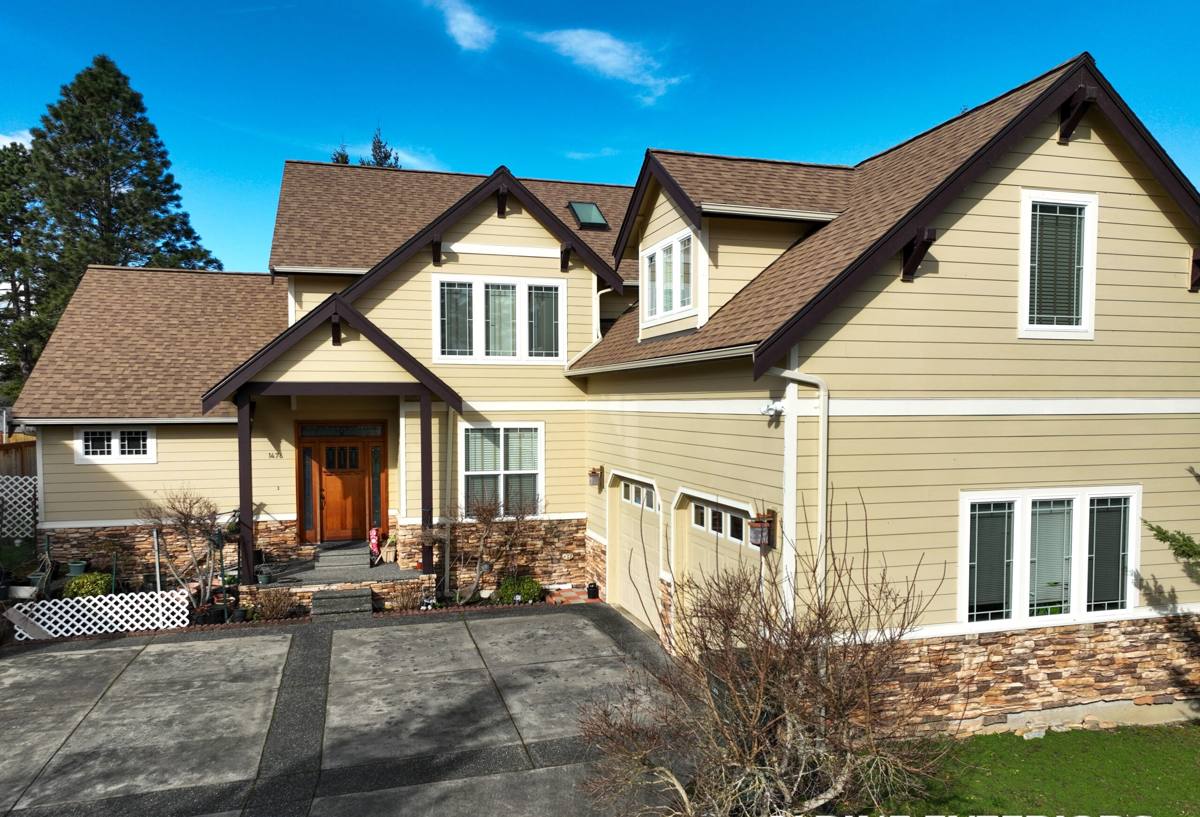
Why We Only Install James Hardie
We don't install vinyl, LP SmartSide, Cemplank, Allura, or primed wood siding. That's a deliberate standard, not a lack of options. In a salt-air, hurricane-exposed environment, the trade-offs of those other products — moisture sensitivity at cut edges and seams, softening or expansion in sustained heat and humidity, UV-driven fading, or simply not being rated for the wind loads this area sees — aren't theoretical. They show up as real maintenance headaches and shortened lifespans on homes that sit exactly where Coquina Key sits.
James Hardie fiber cement is cement, sand, and cellulose fiber. It doesn't rot, it isn't attractive to termites or other wood-boring pests, and it's non-combustible. It doesn't expand and contract with humidity the way wood-based products can, which matters a lot when a home is breathing in salt-humid air off the water most of the year. That's the whole reason we standardized on it — not because it's the only decent product on the market, but because it's the one we're willing to put our name behind on homes in this exact kind of environment.
HZ5: The Line Built for This Exact Climate
James Hardie engineers its siding by climate zone, and Pinellas County falls into their HZ5 zone — the version of their product line formulated specifically for high-humidity, high-moisture Gulf and coastal Southeast conditions. HZ5 boards are engineered to resist moisture-related damage and to hold up against the freeze-thaw isn't the issue here, but the humidity and rain exposure absolutely is. Installing anything other than the correct HZ-rated product on a Coquina Key home is one of the more common mistakes we see from contractors who don't specialize in coastal work.
What a Correct Installation Actually Involves
James Hardie siding is only as good as the installation underneath it. The product itself is engineered to perform, but a large share of the siding failures we get called out to inspect — cracking, staining, buckling, soft spots at the bottom edge — trace back to installation shortcuts, not the material itself. On a water-adjacent property, those shortcuts get punished faster.
- Correct starter strip and bottom clearance, keeping the siding off the ground, decking, or roofline by the manufacturer's minimum gap so water has somewhere to go
- Proper flashing at every window, door, and roof intersection — the single most common source of hidden moisture intrusion behind siding
- Fastener placement and spacing that matches Hardie's specification for the wind zone, not just "close enough"
- Correct nail penetration into structural framing or proper blocking behind seams, so panels don't work loose under sustained wind loading
- Field-cut edges sealed per Hardie's guidelines, since raw cut edges are the most moisture-vulnerable part of any fiber cement board
- Caulking only where Hardie's install guide calls for it — over-caulking traps moisture just as badly as under-caulking
- House wrap or weather-resistive barrier installed and lapped correctly behind the siding, not just present
Every one of those steps is spelled out in James Hardie's published installation requirements. Skipping or rushing any of them is also exactly how a manufacturer warranty claim gets denied later — which is a real cost to a homeowner even if the siding itself never had a defect.
ColorPlus Finish vs. Field-Painted Siding
James Hardie's ColorPlus finish is baked on at the factory under controlled conditions, and it carries its own finish warranty separate from the product warranty. For a Coquina Key home, that matters because UV exposure here is relentant year-round, not seasonal — factory-cured finishes hold color and resist fading noticeably better than field-applied paint, which is exposed to sun and salt air from the day it's rolled on. We install ColorPlus boards for that reason on the large majority of coastal-exposed projects, and reserve field painting for touch-ups, trim work, or specific color-matching needs.
Comparing What Homeowners Actually Weigh
| Factor | James Hardie Fiber Cement | Vinyl Siding | LP SmartSide / Engineered Wood |
|---|---|---|---|
| Salt air / humidity resistance | Engineered for it (HZ5) | Doesn't rot, but can chalk and become brittle | Wood core is moisture-sensitive at cuts and edges |
| Hurricane wind rating | High, when installed to spec | Lower impact resistance, can crack or blow off | Moderate, installation-dependent |
| UV / fade resistance | Strong with ColorPlus factory finish | Can fade and become brittle over time | Requires ongoing repainting |
| Fire resistance | Non-combustible | Combustible (melts, can propagate fire) | Combustible |
| Long-term maintenance | Low, mainly caulk/paint checkups | Low, but limited repair options once damaged | Higher — repainting and edge sealing over time |
Cost per square foot for James Hardie typically runs higher upfront than vinyl and is roughly comparable to or somewhat above engineered wood siding, depending on the specific board profile and finish chosen. We're upfront that it's not the cheapest option on the shelf — it's the option we believe holds up the longest in this specific environment without turning into a recurring maintenance project.
Mistakes We See Most Often on Water-Adjacent Homes
A lot of the calls we get in this part of St. Petersburg aren't for new construction — they're inspections or repairs on siding that was installed within the last several years by a crew that didn't specialize in coastal work. The recurring issues are consistent: missing or incorrect flashing around window openings, panels nailed too tight against each other with no room to handle thermal movement, bottom edges installed too close to grade or to a pool deck, and unsealed cut edges left exposed to rain. None of these are exotic problems — they're basic installation steps that get skipped when a crew is moving fast or doesn't fully understand why the spec exists in a place like this.
That's the practical argument for hiring a crew with real experience on this specific peninsula, not just general contracting experience. The physics of installing siding correctly near open water don't change, but the margin for error is smaller, and the consequences of a shortcut show up sooner.
How Our Process Works
We start with an on-site inspection of the existing exterior — looking at the current siding condition, the state of the sheathing underneath where it's visible, window and door flashing, and any signs of past moisture intrusion. From there we walk through board profile options (lap siding, shingle-style panels, or a mix with trim and soffit work), color and finish choices, and give a written scope before any work begins.
Installation follows James Hardie's published specifications for the HZ5 zone and the local wind requirements, including correct clearances, flashing details, and fastening schedules. We don't treat those specs as optional guidance — they're the baseline for every job, whether it's a full re-side or a repair section. Once the job is complete, we walk the property with the homeowner before calling it finished.
Ongoing Maintenance in a Salt-Air Environment
- Rinse siding periodically to remove salt residue, especially on sides of the home facing open water or prevailing wind
- Inspect caulking at joints, windows, and trim annually and re-seal where it's cracked or pulled away
- Check for any staining or dark streaking near the ground line, which can indicate a drainage or clearance issue worth having looked at
- Keep irrigation heads and sprinklers from hitting the siding directly and repeatedly
- After any major storm, do a visual walk-around for cracked panels, loose trim, or displaced flashing
James Hardie siding installed to spec is genuinely low-maintenance compared to the alternatives, but "low-maintenance" doesn't mean "zero attention." A once-a-year look, plus a check after any significant storm, is enough to catch small issues before they become larger repairs.
Why It Matters That We Already Work This Neighborhood
A crew that has installed siding on other Coquina Key homes already understands the flood zone and wind exposure considerations that come with this location, has a feel for how the salt air and water proximity affect material choices and detailing, and isn't learning those lessons for the first time on your house. That familiarity shows up in small decisions throughout a project — how flashing is detailed at a canal-facing wall, where extra attention goes on the sides that catch the most weather, and which board profiles and clearances make the most sense for a specific lot.
Pinellas County and the City of St. Petersburg also have their own permitting and wind-load requirements that apply to exterior work, and a local crew that pulls permits in this jurisdiction regularly moves through that process without it becoming a delay on your project.
Get a Free, No-Pressure Estimate
If your Coquina Key home's siding is showing its age, was installed by someone unfamiliar with coastal detailing, or you're planning ahead of the next storm season, we're happy to come take a look and give you an honest assessment — no obligation attached. Use the form below to request a free estimate.