 St. Petersburg Siding
 Roof Replacement Built for Coquina Key's Waterfront Exposure
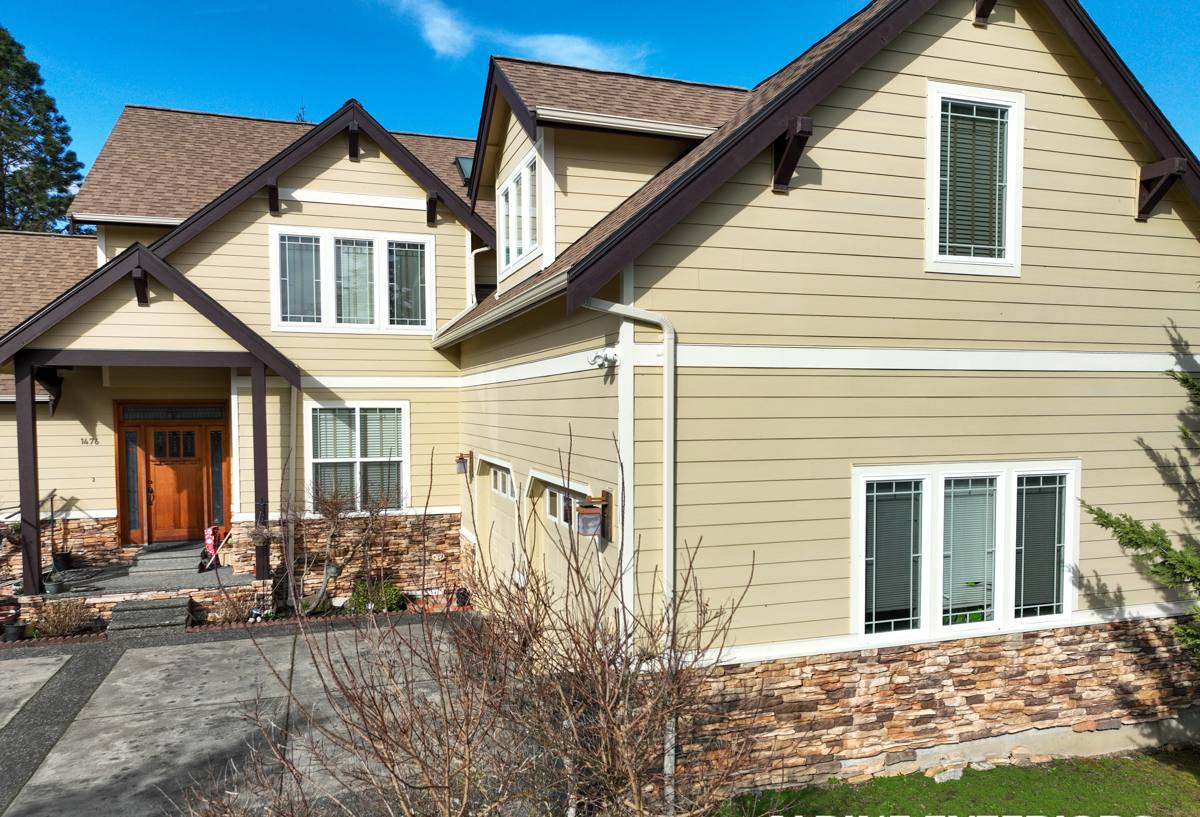
Coquina Key sits almost entirely surrounded by water on the south side of St. Petersburg, and that location shapes what a roof has to survive here. Homes on this peninsula take on more salt-laden air, more direct sun bouncing off open water, and more wind exposure than houses set back in denser, tree-shaded parts of Pinellas County. A roof replacement here isn't just a matter of picking a shingle color — it's a decision about which materials, fasteners, and underlayment systems will actually hold up to this specific combination of conditions for the next 20-30 years.
We work on homes throughout St. Petersburg, and Coquina Key is one of the neighborhoods where we spend a lot of time. That matters because roofing here isn't generic. A crew that mostly works inland jobs may not think twice about corrosion-resistant fasteners or the extra flashing detail a waterfront lot needs. We do, because we see the difference in older roofs when we tear them off.
What Pinellas County's Climate Actually Does to a Roof
Florida's Gulf Coast climate is hard on roofing in a few distinct ways, and each one calls for a different response in how a roof is built:
- Hurricane-force wind: Wind doesn't just push down on a roof — it creates uplift at edges, ridges, and corners, which is where most storm damage starts. Proper nailing patterns, starter strip installation, and edge metal matter more than most homeowners realize.
- Intense, year-round UV: Florida sun ages shingles and membrane roofing faster than in most of the country. UV breaks down asphalt oils and can make lesser materials brittle within a decade instead of two.
- Wind-driven rain: Tropical storms don't just drop rain straight down — they push it sideways and up under laps and flashing. A roof that only sheds vertical rain well isn't enough here.
- Salt air: Coquina Key's near-water location means metal components — nails, flashing, vent stacks, drip edge — corrode faster than they would a few miles inland. Standard galvanized fasteners can fail well before the roofing material itself wears out.
None of these factors is unique to Coquina Key, but the combination and intensity here — open water on multiple sides, minimal wind buffering — is more pronounced than in many other St. Petersburg neighborhoods.
Why Salt Exposure Deserves Special Attention
Salt air corrosion is gradual and easy to miss until it's a real problem. It doesn't just pit metal — it can accelerate the failure of fasteners holding shingles or panels in place, which is exactly the kind of hidden weakness that turns a moderate storm into a real roof loss. When we replace a roof on or near Coquina Key, fastener and flashing material selection gets more attention than it would on a comparable inland job in, say, Seminole or unincorporated Pinellas County.
Signs a Coquina Key Roof Needs Replacing, Not Just Repairing
Repair makes sense for isolated damage. Replacement becomes the honest recommendation when the roof's overall condition — not just one spot — is compromised. Common signs we look for:
- Granule loss heavy enough that shingles look patchy or bald in large areas, not just one section
- Curling, cupping, or cracking shingles across multiple slopes, a sign of UV-driven material fatigue
- Soft spots in the decking found during inspection, indicating moisture has already gotten past the roofing surface
- Repeated leaks in different locations after storms, rather than one recurring spot
- Visible corrosion or rust staining around fasteners, vents, or flashing
- A roof approaching or past the upper end of its material's realistic lifespan in this climate, regardless of how it looks from the ground
We'll tell you honestly if a repair will hold for a few more years. We don't push replacement on a roof that doesn't need it — but we also won't recommend patching a roof that's structurally past the point where patching makes financial sense.
What a Correct Roof Replacement Involves
A roof replacement done right in this climate is more than removing old shingles and nailing down new ones. The steps that actually determine how long the roof lasts:
- Full tear-off and deck inspection. We remove the existing roofing down to the deck and check for rot, soft spots, or delamination that a re-roof over old material would hide.
- Deck repair as needed. Any compromised plywood or OSB gets replaced before anything new goes down — skipping this step is one of the most common shortcuts that leads to early failure.
- Underlayment upgrade. A quality synthetic or self-adhering underlayment gives a second line of defense against wind-driven rain, which matters more here than in drier climates.
- Enhanced fastening for wind resistance. Nailing patterns and fastener spacing follow Florida Building Code wind requirements for this region, not a minimum baseline.
- Corrosion-appropriate metal components. Drip edge, flashing, and fasteners suited to salt-air exposure, not standard-grade hardware that corrodes early this close to the water.
- Proper attic ventilation. Balanced intake and exhaust ventilation reduces heat and moisture buildup, protecting the deck and helping shingles last their full rated life under constant Florida sun.
- Final inspection and cleanup. Every job ends with a walkthrough — magnetic sweep for stray nails, gutters checked, debris hauled off.
Material Options and How We Compare Them
Most Coquina Key homes fall into one of a few roofing categories. Here's how they stack up for this specific location:
| Material | Wind Performance | Salt/UV Durability | Typical Lifespan Here | Maintenance |
|---|---|---|---|---|
| Architectural asphalt shingle | Good, with proper nailing and rated products | Moderate — UV resistance varies by product quality | 15-25 years | Low |
| Standing seam metal | Excellent | Very good with coated/marine-grade fasteners | 30-50 years | Low |
| Tile (concrete or clay) | Good when properly fastened, but heavy — deck must support it | Excellent — tile itself doesn't corrode | 30-50+ years | Moderate (underlayment needs periodic renewal) |
| Flat/low-slope membrane (for additions or flat sections) | Depends on attachment method | Good with UV-stable membranes | 15-25 years | Moderate |
We don't push one product line as a blanket answer. The right choice depends on your existing structure's ability to carry weight, your budget, and how long you plan to stay in the home. What we won't do is install a material or system where the moisture behavior or maintenance demands don't fit this climate — that's a standard we hold regardless of what's cheapest to install.
Our Process, Start to Finish
1. Inspection and Honest Assessment
We look at the whole roof system — deck, ventilation, flashing, not just the shingle surface — and tell you plainly whether you're looking at repair or replacement.
2. Written Estimate
You get a clear scope of work and pricing before anything is scheduled. No vague allowances that turn into surprise add-ons mid-project.
3. Permitting
Roof replacement in St. Petersburg requires a permit and inspection through Pinellas County or city building authorities. We handle that paperwork so it's done correctly the first time.
4. The Work Itself
Tear-off, deck repair, underlayment, and installation, typically completed in one to a few days depending on roof size and complexity.
5. Final Walkthrough
We go over the finished roof with you, confirm cleanup, and make sure every question is answered before we consider the job done.
Why a Crew That Already Works Coquina Key Is Worth Choosing
A contractor who works this neighborhood regularly already knows things that take an outside crew time to learn: how exposed certain streets are to open water, what wind patterns do to roofs on this peninsula during storm season, and which permitting details Pinellas County and the City of St. Petersburg expect. That familiarity shows up in fewer surprises — during the estimate, during the permit process, and in how the finished roof performs the first time a tropical system comes through.
It also matters after the job is done. A local crew is easier to reach for a warranty question or a post-storm check than a company that only shows up for storm-chasing work and disappears once the job is signed.
Checklist: What to Confirm Before Hiring Anyone for a Roof Replacement
- Are they licensed to work in Florida, and can they provide proof?
- Do they carry liability insurance and workers' compensation coverage?
- Will they pull the required permit, or are they asking you to skip it?
- Does the written estimate specify materials, fastening method, and underlayment — not just "new roof"?
- Do they inspect and repair the deck as a standard step, not an upsell?
- Can they explain, in plain terms, why they're recommending a specific material for your home?
- Do they have experience with wind-mitigation compliant installation for this region?
If your roof on Coquina Key is showing its age or storm damage, we're happy to take a look and give you a straight answer about repair versus replacement — no pressure, no obligation. Fill out the form below for a free estimate.