 St. Petersburg Siding
 Roof Damage in Coquina Key Doesn't Look Like Roof Damage — Until It Does
Coquina Key sits close to open water on both sides, which means homes here take a different kind of beating than roofs a few miles inland. Wind comes off the water with less to slow it down, salt air works into fasteners and flashing year-round, and the same afternoon storms that roll through every summer in Pinellas County can drive rain sideways under shingles that look perfectly fine from the ground. A lot of the storm damage we get called out for in this neighborhood didn't start with a named hurricane. It started as a handful of lifted shingles after a strong thunderstorm, and it turned into a stained ceiling six months later.
Storm damage roof repair is a specific job, not the same thing as a general roof repair. It means assessing what a wind or water event actually did to the roof system — not just the shingles, but the underlayment, the flashing, the decking underneath, and the attic ventilation — and fixing it in a way that holds up to the next storm, not just this one.
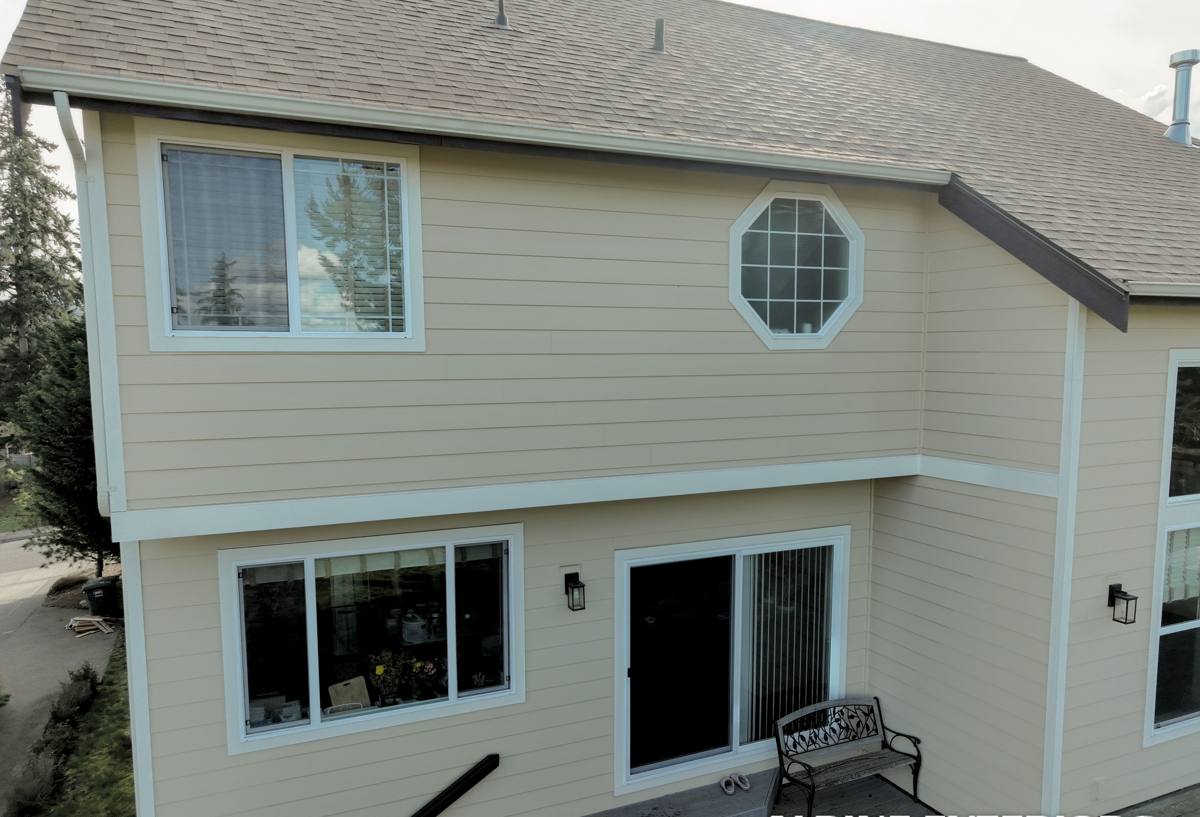
Why Coquina Key's Location Changes the Job
Coquina Key is a peninsula neighborhood, and that matters for roofing in a few concrete ways:
- Wind exposure: Homes closer to the water's edge and along open stretches take higher sustained wind loads than the same storm produces a few miles inland, which is exactly where shingle edges and ridge caps start to lift first.
- Salt air corrosion: Nails, flashing, and metal drip edge corrode faster this close to brackish water. A repair done with the wrong fastener or flashing material can fail years before it should.
- Wind-driven rain: Water doesn't need a hole to get in — it needs a gap, a lifted tab, or worn sealant, and wind can drive it uphill under shingles during a strong storm.
- UV load: Florida sun is hard on roofing materials nearly every day of the year, which dries out sealants and makes shingles more brittle right before storm season tests them.
None of this means Coquina Key roofs are worse-built than anywhere else. It means the margin for a cheap or rushed repair is smaller, and small deferred issues turn into interior damage faster.
What Storm Damage Actually Looks Like
Most storm damage isn't a dramatic hole in the roof. It's usually one or more of these:
- Missing, cracked, or creased shingles, often on one slope or one edge of the roof
- Lifted or torn shingle tabs where wind got underneath the seal
- Damaged or displaced flashing around chimneys, vents, and roof-to-wall junctions
- Granule loss that shows up as bare, shiny patches on the shingle surface
- Soft spots or sagging in the decking from water that's already gotten in
- Debris impact marks from tree limbs or wind-blown material
- Water stains on interior ceilings or in the attic that trace back to a roof breach
Getting the Assessment Right the First Time
The most common mistake we see after a storm is patching the visible damage and missing what caused it. If a shingle blew off, we want to know why that spot failed — was it aging sealant, an install issue, or just the angle that section of roof takes wind from during a storm — because if we don't address the cause, the same spot fails again next season.
A proper storm damage assessment covers the whole roof system, not just the obvious spot:
| Area Checked | What We're Looking For |
|---|---|
| Shingle field | Missing, cracked, lifted, or granule-stripped shingles across every slope |
| Flashing | Bent, corroded, or separated flashing at chimneys, walls, and penetrations |
| Underlayment | Exposure or damage where shingles are missing or torn back |
| Decking | Soft spots, delamination, or rot from water intrusion |
| Attic | Water staining, active leaks, or moisture buildup from poor ventilation |
| Gutters and drip edge | Debris, separation, or damage that affects water runoff |
We document what we find with photos before we touch anything. That record matters for two reasons: it gives you an honest picture of the actual condition of the roof, and it's what your insurance adjuster needs to see if you're filing a storm damage claim.
How We Handle a Storm Damage Repair
1. Emergency Mitigation First
If a roof has active leaking or exposed decking, the first move is stopping water from getting further into the home — tarping exposed areas, securing loose material, and clearing debris that's trapping moisture against the roof. This isn't the final repair, it's damage control while the real fix gets scheduled and, if needed, an insurance claim gets underway.
2. Full Roof Assessment
We inspect the whole roof, not just the damaged section, because storms rarely damage only one spot and a repair plan built around a single visible issue tends to miss what's failing quietly nearby.
3. A Written Scope You Can Actually Read
You get a clear explanation of what's damaged, what needs to be repaired versus what's still sound, and roughly what that involves — no vague line items, no pressure to replace more than the storm actually damaged.
4. The Repair Itself
Depending on what the storm did, this can mean replacing individual shingles and matching them to the existing roof, resealing and re-flashing vulnerable points, replacing damaged decking before new shingles go down, or a larger section repair. We use fasteners and flashing suited to a coastal-adjacent, salt-air environment, not just whatever is cheapest.
5. Final Check
Once repairs are done, we walk the roof again to confirm everything is sealed, flashed, and fastened the way it should be — the same standard we'd want on our own house a few blocks from the water.
Repair or Replace? An Honest Way to Think About It
Not every storm-damaged roof needs to be replaced, and not every roof can be reasonably patched back to a sound condition. A few honest factors that actually determine which way to go:
| Factor | Leans Toward Repair | Leans Toward Replacement |
|---|---|---|
| Roof age | Under roughly 10-12 years, still within useful life | Near or past expected lifespan for the material |
| Damage extent | Isolated to one section or a handful of shingles | Spread across multiple slopes or widespread granule loss |
| Decking condition | Solid, no rot or soft spots found | Soft, delaminated, or repeatedly wet decking |
| Shingle match | Matching shingles are available and repair blends in | Discontinued or badly weathered shingles that won't match |
| Repair history | First or second repair on this roof | Recurring leaks or repairs in the same general area |
We'll tell you plainly which category your roof falls into. If a repair is the honest answer, that's what we'll recommend — a roof replacement isn't the right call just because it's the bigger job.
Insurance Claims: What to Know Going In
Storm damage repairs in Pinellas County often involve a homeowner's insurance claim, and a few things make that process go smoother:
- Document damage as soon as it's safe to do so, including photos from the ground and, if accessible, closer views
- Don't wait too long to report — most policies have windows for filing storm-related claims
- Get an independent contractor assessment, not just the adjuster's, so you have a second, unbiased read on the scope of damage
- Keep receipts and records for any emergency tarping or mitigation work, since that's typically covered separately
- Be cautious of anyone going door to door immediately after a storm pushing fast signatures — take the time to check who you're hiring
We can walk the roof with you, explain what we're seeing in plain terms, and provide documentation that supports your claim. We're not adjusters and we don't promise claim outcomes, but a clear, honest scope from a contractor who actually inspected the roof helps the process move.
Why It Matters That We Already Work in Coquina Key
A crew that regularly works Pinellas County peninsula neighborhoods knows what a Coquina Key roof is up against before we even climb up — the wind exposure this close to the water, the way salt air accelerates wear on flashing and fasteners, and how quickly a small wind-driven leak can turn into a real interior repair if it sits through a Florida summer. That's not a substitute for a careful inspection of your specific roof, but it means we're not guessing at conditions we've never dealt with before.
We also know that storm damage repairs often need to move fast. A roof with exposed decking doesn't get better while you wait for quotes, and a delayed tarp job after a storm can turn a shingle repair into a decking replacement. Working locally means we can respond and get eyes on your roof without a long lead time.
What a Correct Repair Should Include
Before you sign off on any storm damage roof repair, here's a straightforward checklist of what should be covered:
- A full-roof inspection, not just the visibly damaged section
- A written scope of work explaining exactly what's being repaired and why
- Decking checked and replaced if soft, delaminated, or water-damaged — not just shingled over
- Flashing inspected and replaced where corroded or displaced, not just resealed
- Shingles matched as closely as possible to the existing roof
- Fasteners and materials appropriate for a salt-air, high-UV environment
- Photo documentation before and after, useful for your own records and any insurance claim
- A final walk-through confirming the repair is sealed and sound
If you've had storm damage to your roof in Coquina Key — whether it's a handful of missing shingles or something more serious — we're happy to take a look and give you an honest read on what it needs. Fill out the form below for a free, no-pressure estimate.