 St. Petersburg Siding
 Asphalt Shingle Roofing Built for Crescent Lake's Climate
Crescent Lake sits close enough to Tampa Bay and the Gulf that its homes take on the same punishment as the rest of St. Petersburg's older, tree-lined neighborhoods: long stretches of intense UV, sudden wind-driven downpours, and salt-laden air that never really stops working on exposed materials. Add Pinellas County's hurricane season into the mix and you've got a roofing environment that is tougher than what most shingle manufacturers assume when they publish their warranty numbers. A shingle roof that's specified, installed, and maintained correctly can handle all of this for decades. One that isn't will show problems early, and usually in the worst way — during a storm.
This page is about one thing: doing asphalt shingle roofing right for a Crescent Lake home, from material selection through the details that actually determine how the roof performs over the next 20 to 30 years.
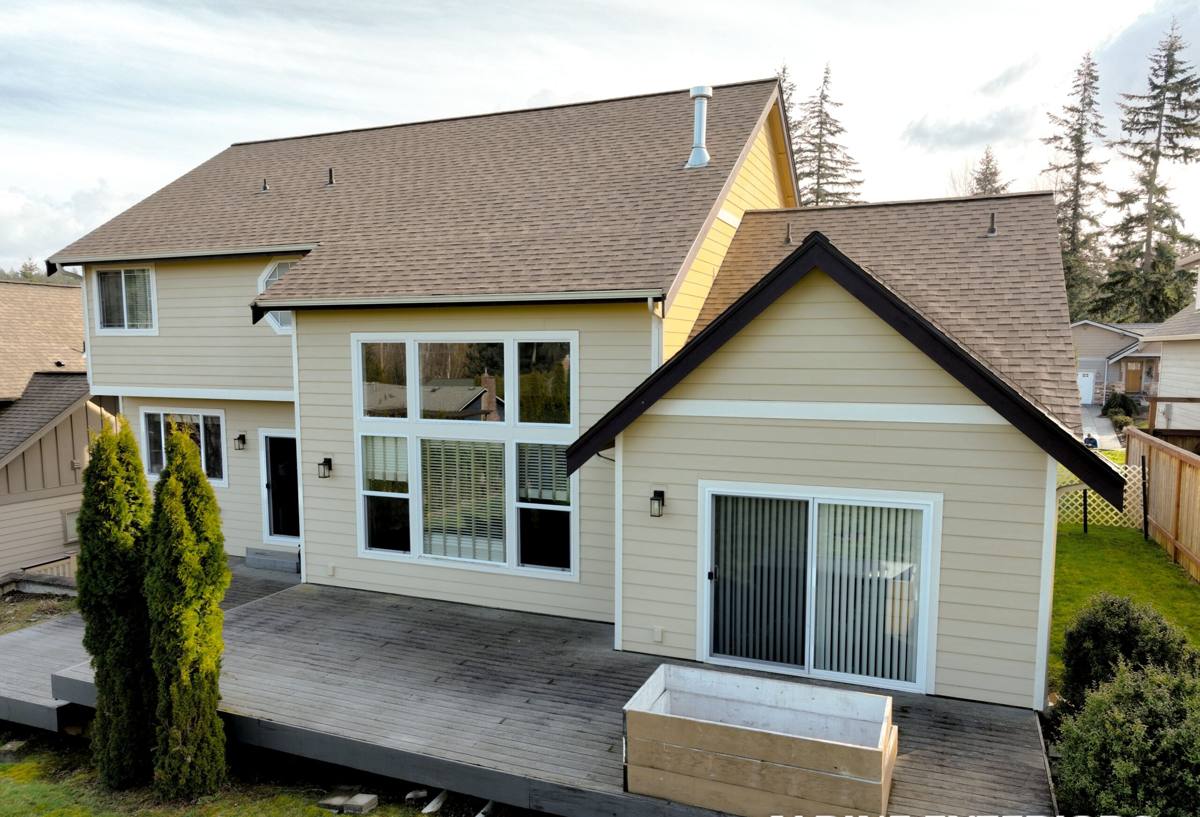
What Crescent Lake's Climate Actually Does to a Shingle Roof
Wind
Crescent Lake isn't oceanfront, but it's still well within reach of tropical-storm and hurricane-force gusts that move through the greater St. Petersburg area most seasons. Wind doesn't need a direct hit to cause damage — sustained gusts working at roof edges, ridges, and valleys over a few hours can lift shingles that weren't fastened or sealed correctly, even on a roof that "looks fine" from the ground.
UV exposure
Florida sun is relentless nearly year-round. UV breaks down the asphalt binders in a shingle over time, which is why granule loss and early brittleness show up faster here than in shingles installed in milder climates. This is normal aging, but poor ventilation or a low-grade shingle accelerates it significantly.
Wind-driven rain
It's rarely rain alone that gets into a roof system — it's rain pushed sideways and upward under shingle tabs, at flashing points, and around penetrations during a squall. A shingle roof has to be built assuming water will be forced where it normally wouldn't go, not just assuming gravity will carry it straight down and off.
Salt air
Even set back from the water, Crescent Lake gets enough salt-laden air movement off Tampa Bay to matter over time. Salt accelerates corrosion on exposed metal — nail heads, flashing, vent stacks, gutter hardware — which is why fastener and flashing material choices matter more here than they would inland.
What a Correct Shingle Roof Job Involves
A shingle roof is a system, not a single product. Every layer has to work together, and skipping or downgrading any one of them is usually where problems start.
| Layer / Component | Role | Why It Matters Here |
|---|---|---|
| Roof deck (sheathing) | Structural base the whole system attaches to | Must be sound and properly re-nailed to current code before new shingles go on — old, soft, or under-fastened decking undermines wind resistance no matter what shingle sits on top |
| Underlayment | Secondary water barrier beneath the shingles | Self-adhered or synthetic underlayment at eaves, valleys, and penetrations protects the deck if wind-driven rain gets past the shingle layer |
| Starter strip & drip edge | Anchors the first course and directs water into gutters | A common shortcut spot — skipping proper starter strip is one of the top causes of shingles lifting at the eaves in wind |
| Shingles | Primary weather and UV barrier | Wind rating, sealant strip quality, and granule coverage all affect how the roof holds up to Gulf-coast conditions |
| Flashing (valleys, walls, chimneys, vents) | Seals transitions and penetrations | The majority of leaks trace back to flashing, not the shingle field — corrosion-resistant metal and correct lap sequencing matter in salt air |
| Ventilation | Moves heat and moisture out of the attic | Poor ventilation shortens shingle life under intense Florida sun and can void manufacturer warranties |
Choosing the Right Shingle for a Crescent Lake Home
Not every shingle sold nationally is a good match for this climate. We steer homeowners toward products with a track record in coastal Florida conditions rather than whatever has the lowest sticker price.
Wind rating
Look for shingles rated for the wind speeds required in Pinellas County's building code, and confirm the installation method (nailing pattern, sealant activation) matches what the rating actually requires — a high-wind-rated shingle installed with a standard nailing pattern doesn't perform to its rating.
Algae and streak resistance
Florida's heat and humidity encourage algae growth on roofs faster than drier climates. Shingles with algae-resistant granules hold their appearance longer and are worth the modest upcharge.
Architectural vs. three-tab
Architectural (laminated) shingles are heavier, generally carry higher wind ratings, and hold up better to the wear this area produces. Three-tab shingles cost less up front but tend to show wind and UV damage sooner in this climate — a trade-off we're upfront about rather than pushing the cheaper option and letting the homeowner find out later.
Why We Don't Cut Corners on Flashing and Fasteners
It's tempting for some crews to reuse old flashing or drive nails with an air gun set for a faster climate where wind uplift isn't as much of a concern. We don't do that on Crescent Lake roofs. Our standard is new corrosion-resistant flashing at every valley, wall, and penetration, and hand-checked nailing patterns at eaves, rakes, and high-wind zones — because a roof that passes a quick visual inspection can still fail at the first flashing seam or under-driven nail once a real storm hits. This isn't about any one brand being inadequate; it's about installation discipline being the difference between a roof that holds and one that doesn't, regardless of the shingle used.
Our Process for a Crescent Lake Roofing Project
- Inspection and assessment — we check the deck, existing flashing, ventilation, and any signs of prior leaks or storm damage before quoting anything.
- Honest scope and estimate — a clear breakdown of what needs replacing versus what's still sound, with the reasoning behind each recommendation.
- Deck prep — repair or replace damaged sheathing and re-fasten to current code before anything new goes down.
- Underlayment and flashing installation — self-adhered membrane at vulnerable areas, new flashing at every transition point.
- Shingle installation — correct starter strip, nailing pattern matched to the shingle's wind rating, and proper alignment at valleys and hips.
- Ventilation check — confirm intake and exhaust are balanced for the attic's size and layout.
- Final walkthrough — we go over the finished roof and the maintenance basics with the homeowner before we consider the job done.
What to Ask Before Hiring a Roofer for Crescent Lake
- Are you licensed and insured to work in Pinellas County, and can you provide proof?
- Will you pull the required permit for this scope of work?
- What underlayment and flashing materials are included, not just the shingle brand?
- What nailing pattern and shingle wind rating are you specifying for this roof?
- Do you inspect and repair the deck before installing, or install over existing conditions?
- What does the workmanship warranty cover, separate from the manufacturer's shingle warranty?
- Have you worked on homes in this neighborhood or similar coastal St. Petersburg conditions before?
Maintenance That Extends the Life of a Shingle Roof Here
A well-installed shingle roof still benefits from basic upkeep in this climate. Keep gutters clear so water isn't backing up under the eave line during heavy rain. After any significant storm, a visual check (or a quick professional look) for lifted or missing shingles catches small problems before they become deck damage. Keep overhanging branches trimmed back — falling limbs and constant shade both shorten shingle life, the first through impact damage and the second through trapped moisture and algae growth. An occasional soft wash, done correctly, keeps algae streaking from taking hold without damaging the granule surface.
Signs a Crescent Lake Roof Needs Attention
Granule loss showing up in gutters, shingles that look cupped or curled at the edges, dark streaking across the roof face, or any daylight visible through the attic deck are all worth having looked at. So is any ceiling stain that appears after a wind-driven rain event, even a minor one — that's often the first visible sign of a flashing or sealant failure rather than a shingle failure.
If you're weighing a repair, a full replacement, or just want a straight answer on what condition your roof is really in, we're glad to take a look. Request a free, no-pressure estimate using the form below and we'll walk the roof and give you a clear picture of what it needs.