 St. Petersburg Siding
 Roof Replacement Built for Crescent Lake's Climate
Crescent Lake sits in one of St. Petersburg's older, tree-lined neighborhoods, where mature oak canopies, closely spaced bungalows, and a mix of early-1900s to mid-century rooflines all interact with Pinellas County's weather in ways that newer subdivisions don't always face. A roof here isn't just fighting sun and rain in the abstract — it's dealing with shade cycles that trap moisture, storm debris from overhanging limbs, and salt-laden air drifting in from Tampa Bay and the Gulf, even though the neighborhood sits inland from the immediate coastline.
Over a full year, a Crescent Lake roof takes on intense UV exposure that breaks down asphalt oils and fades color, wind-driven rain that finds its way under compromised flashing and shingle tabs, and — during hurricane season — sustained winds and gusts that test every fastener, seam, and edge detail. Salt air accelerates corrosion on exposed metal fasteners, vents, and flashing faster than most homeowners expect, even a few miles from open water. None of this means a roof is doomed; it means the replacement has to be specified and installed with this specific combination of stressors in mind, not treated as a generic reroof.
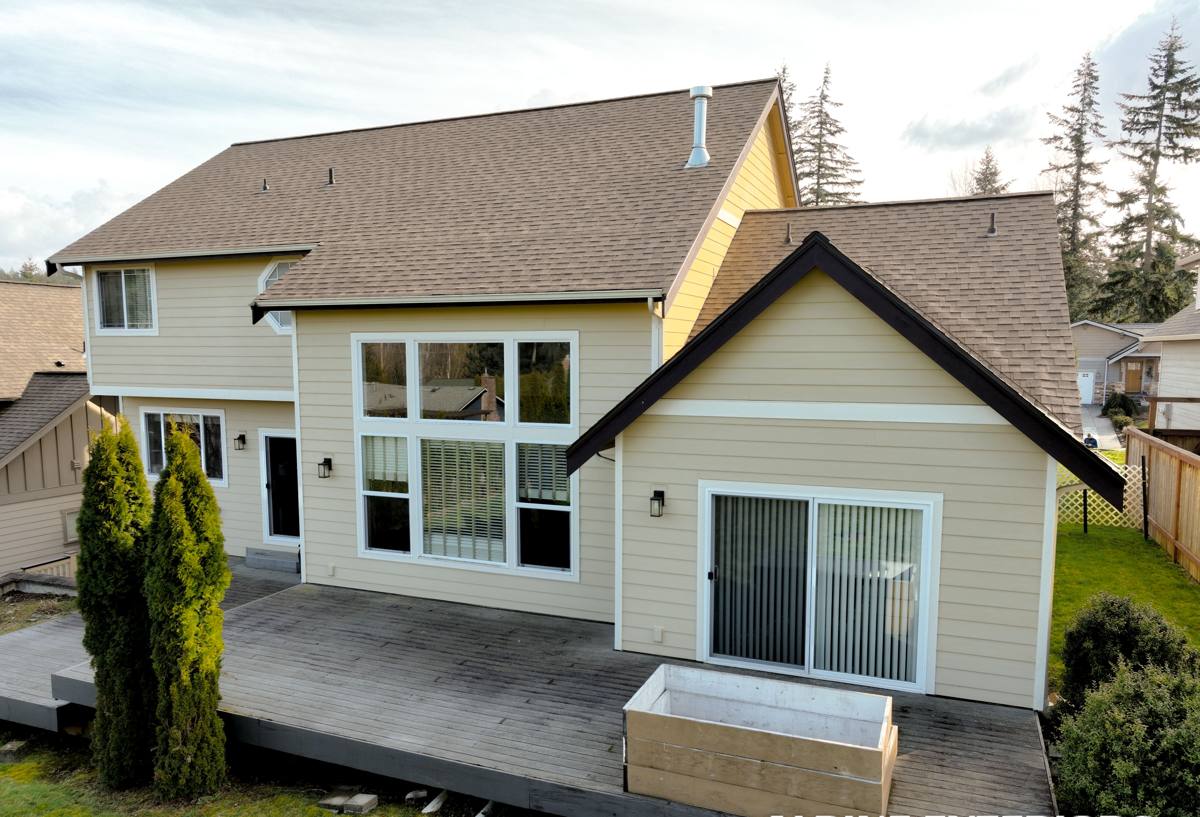
Signs a Crescent Lake Roof Is Ready for Replacement
Roofs rarely fail all at once. In this climate, the warning signs usually show up gradually, and homeowners often live with a failing roof for a year or two before addressing it. Watch for:
- Shingles that are curling, cupping, or losing granules in large patches — especially on south- and west-facing slopes that take the most direct sun
- Dark streaking or soft, spongy-feeling decking near valleys, chimneys, or under tree canopy where debris and moisture collect
- Rusted or lifted flashing around vents, skylights, and chimneys — a common weak point once salt air starts working on exposed metal
- Granules collecting in gutters after normal rain, not just after a storm
- Visible sagging along the roofline or soft spots you can feel when walking the attic joists
- Daylight visible through the roof deck from inside the attic
- A roof approaching or past 18-20 years old for asphalt shingle, even if it "looks fine" from the ground
If your home is due for a four-point insurance inspection, or your current policy renewal flagged roof age or condition, that's often the practical trigger that gets homeowners to call — but the underlying wear is usually already there.
What a Correct Roof Replacement Actually Involves
It's Not Just New Shingles on Old Decking
The single most common shortcut in this trade is installing new roofing material over a deck and underlayment system that was never properly inspected or brought up to current standards. In a climate that cycles through humidity, heat, and wind-driven rain every year, that shortcut shows up as leaks and premature failure within a few seasons — not decades.
A correct replacement includes:
- Full tear-off to bare decking, so hidden rot, delamination, or prior water damage can actually be found and fixed, not covered up
- Deck repair or replacement of any plywood or board sheathing that's soft, delaminated, or fastener-pulled before anything new goes down
- A synthetic or self-adhered underlayment rated for wind-driven rain, not just standard felt — this is the layer that protects the home if wind ever lifts or damages the outer roofing material
- Proper flashing at every penetration — chimneys, skylights, plumbing vents, and roof-to-wall transitions — since these are the points most likely to leak first in a humid, storm-prone climate
- Ventilation that actually balances intake and exhaust, so attic heat and moisture don't shorten the life of the new roof from underneath
- Fastening patterns matched to Florida Building Code wind requirements for this region, not a generic national minimum
Skipping any of these doesn't save real money — it just moves the cost to a future leak, insurance claim, or premature second replacement.
Roofing Material Options for Crescent Lake Homes
Most homes in this neighborhood are candidates for either architectural asphalt shingle or a metal roofing system, with tile appearing on some of the area's Mediterranean-influenced homes. Each has real trade-offs worth understanding before you decide, rather than just picking based on price alone.
| Material | Typical Lifespan | Wind Performance | Considerations for This Area |
|---|---|---|---|
| Architectural asphalt shingle | 18-25 years | Good, when rated and installed to code | Most cost-effective upfront; UV and granule loss are the main long-term concerns under heavy Florida sun |
| Standing seam metal | 40-50+ years | Excellent | Higher upfront cost; strong resale and insurance-discount potential; handles salt air well when properly coated and fastened |
| Concrete or clay tile | 40-50+ years | Excellent when properly fastened | Heavy — requires the structure to support it; underlayment quality matters more than the tile itself for actual weatherproofing |
We don't push one material as universally "best." We tell you honestly what fits your roof's structure, your budget, and how long you plan to stay in the home, including the maintenance and inspection habits each option realistically requires over time.
Our Roof Replacement Process
From First Look to Final Walkthrough
- On-site inspection — we walk the roof and attic in person, not just from a drone photo, to assess deck condition, ventilation, and existing damage
- Written scope and estimate — clear pricing on materials, tear-off, deck repair allowances, and underlayment, so there are no surprise change orders mid-project
- Permitting — pulled through the City of St. Petersburg and inspected per Pinellas County requirements before work closes out
- Tear-off and deck assessment — old material removed, decking inspected board by board, damaged sections replaced
- Underlayment and flashing installation — the layer that does most of the actual waterproofing work
- New roofing material installed to manufacturer specification and local wind-rating requirements
- Cleanup and magnetic sweep for nails and debris — important on a lot with mature landscaping and neighboring yards close by
- Final inspection and walkthrough — including documentation you can hand to your insurance carrier
Permits, Wind Mitigation, and Insurance
Every roof replacement in the City of St. Petersburg requires a permit and inspection — skipping this step, or hiring a crew that skips it, can create real problems when you go to sell the home or file a future insurance claim. We handle permitting as a standard part of the job.
A new roof is also one of the few home improvements that can directly lower your homeowner's insurance premium in Florida, through an updated wind mitigation inspection. Impact-rated materials, proper fastening patterns, and secondary water barriers (like fully sealed underlayment) can all qualify for discounts depending on your carrier. We can point you toward what documentation you'll need — the wind mitigation inspection itself is typically done by a licensed inspector, separate from the roofing work.
What Affects the Cost of a Roof Replacement
| Factor | Why It Matters |
|---|---|
| Roof size and pitch | Steeper or more complex roofs take longer and require more safety setup, affecting labor cost |
| Number of layers to remove | Homes with an existing "roof over" job take more tear-off labor than a single-layer roof |
| Deck condition | Rot or delamination found during tear-off adds material and labor not visible from the ground |
| Material chosen | Asphalt, metal, and tile carry very different material and installation costs |
| Roof complexity | Valleys, dormers, skylights, and multiple penetrations all add flashing labor |
| Access and tree cover | Mature trees common in Crescent Lake can require extra care, trimming coordination, or debris handling |
We give a written estimate after an actual inspection — not a phone-quote guess — because deck condition and roof complexity vary too much house to house in this neighborhood to price accurately sight unseen.
Why a Crew That Already Works Crescent Lake Matters
Older St. Petersburg neighborhoods like Crescent Lake often have decking dimensions, roof framing quirks, and permitting history that differ from newer construction elsewhere in Pinellas County. A crew that's already worked on homes of this era and layout recognizes those quirks quickly instead of discovering them mid-project. Local experience also means knowing how the City of St. Petersburg's permitting and inspection process typically runs, understanding how mature tree cover affects scheduling and cleanup, and being realistic with homeowners about what's genuinely needed versus what's an unnecessary upsell.
It also means being reachable after the job is done. A roof replacement should come with a workmanship warranty you can actually call on, from a company that plans to still be doing business in this area next hurricane season — not just this one.
After the Install: Keeping a New Roof Performing
- Have gutters cleaned regularly, especially under tree cover, so water doesn't back up under roof edges
- Trim overhanging limbs that touch or shade the roof surface to reduce debris and moisture buildup
- Schedule a visual inspection after any major storm, even if there's no obvious interior leak
- Keep documentation of your new roof for insurance and, eventually, resale purposes
- Address minor flashing or sealant issues early — small fixes are cheap; deferred ones aren't
A properly installed roof shouldn't demand constant attention, but a little seasonal awareness goes a long way in this climate.
If your Crescent Lake home's roof is showing its age or storm wear, we're happy to take a look and give you a straightforward assessment — no pressure, no scare tactics, just an honest read on what your roof actually needs. Use the form below to request a free estimate.